
Soft Neutrals That Blend Into Everyday Life
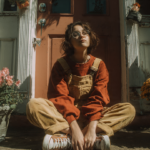
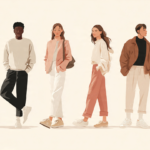
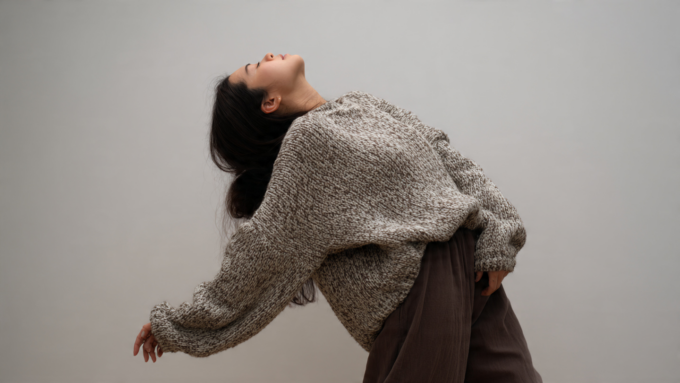
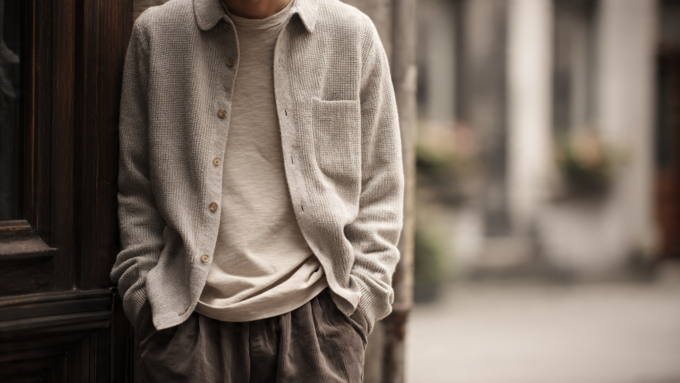
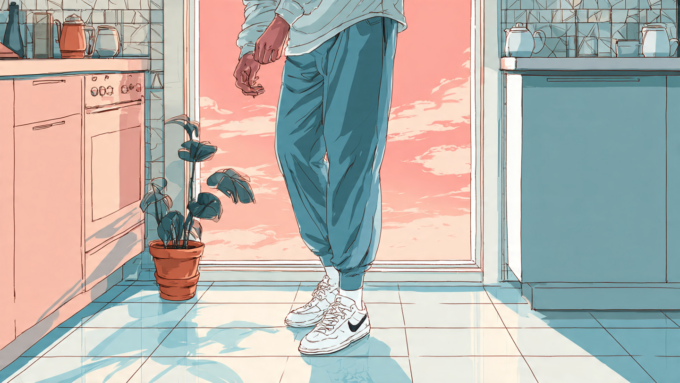
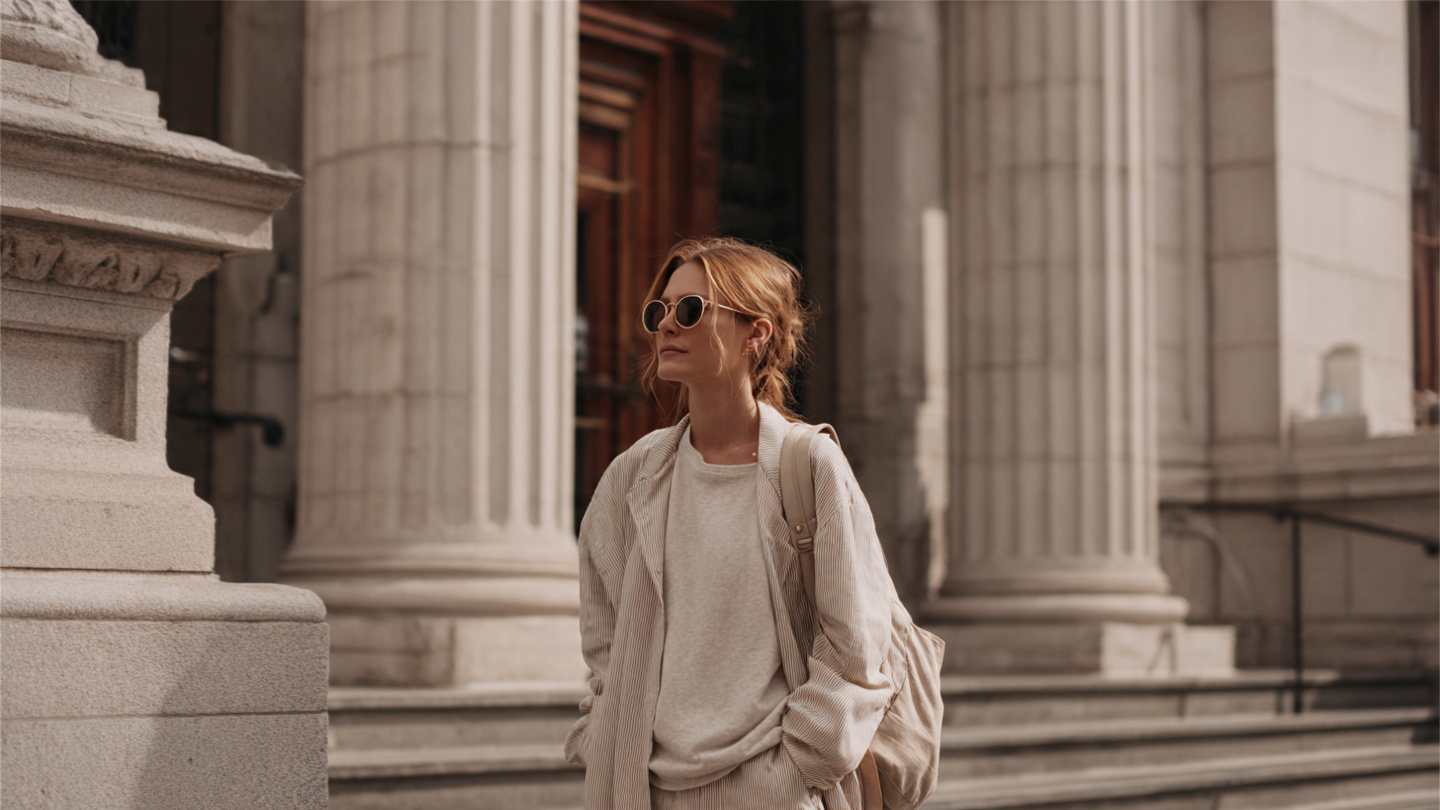
One of the most repeated fashion patterns on TikTok right now is the quiet use of soft neutrals. Beige, grey, off-white, muted browns, and washed black appear again and again. The outfits don’t announce themselves. They settle into the background of kitchens, bedrooms, and hallways.
Brands like Uniqlo, Zara, H&M, and Arket show up often, worn without emphasis. The clothes aren’t framed as purchases—they’re just there. A loose knit over relaxed trousers. A simple tee tucked in without precision.
What makes people copy this trend is how naturally it fits real life. The colors don’t demand coordination. They adapt to different lighting and different rooms. For renters especially, these tones feel forgiving. They don’t clash with temporary walls or borrowed furniture.
The trend feels less like styling and more like alignment—clothes existing peacefully alongside everyday surroundings.
Relaxed Tailoring That Feels Borrowed From Real Days
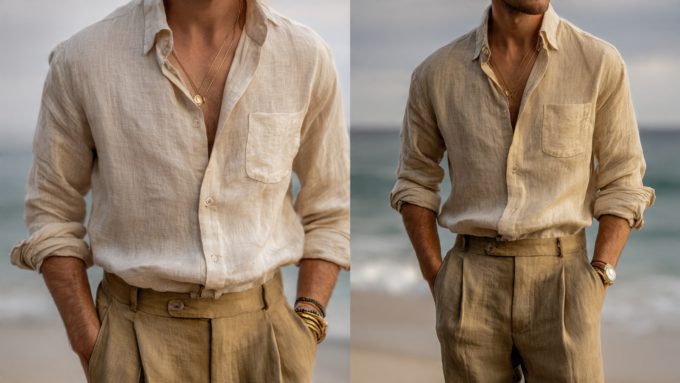
Another trend people keep repeating is relaxed tailoring. Not sharp suits, but softened versions of structure. Wide-leg trousers, oversized blazers, button-downs worn open or half-tucked.
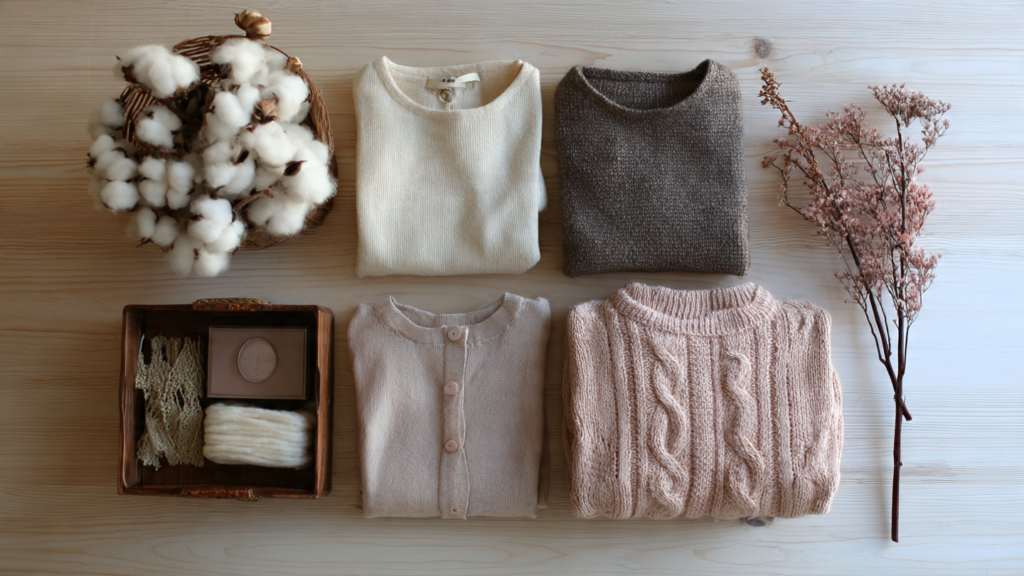
Brands like COS, Massimo Dutti, and Mango appear frequently, styled in a way that feels almost accidental. Sleeves are pushed up. Waistbands sit comfortably rather than correctly.
TikTok videos don’t treat these outfits as transformations. There’s no moment of reveal. The clothes feel like they were already being worn before the camera turned on.
For renters, this resonates deeply. Life in temporary spaces rarely feels perfectly organized. Clothing that allows movement and pause feels more honest than anything overly polished.
People copy this trend because it reflects how days actually unfold—not how they’re supposed to look.
Rewearing the Same Pieces Without Explaining It
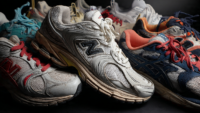
One of the most noticeable shifts on TikTok is how often creators repeat the same clothes. The same jeans appear across multiple videos. The same cardigan shows up in different rooms, on different days.
Brands like Gap, Everlane, and Muji surface repeatedly, but never as a focus. The repetition itself becomes comforting. Viewers recognize pieces instead of being surprised by them.
This trend feels especially strong among people living in rented homes, where storage is limited and routines matter. Rewearing becomes part of the visual language—proof that the clothes belong to someone’s life, not just their feed.
People copy this habit because it removes pressure. The outfit doesn’t need to be new to feel relevant. It just needs to feel lived in.
The trend spreads quietly, one familiar sweater at a time.
Small Accessories That Change the Mood, Not the Outfit
While outfits stay simple, accessories keep shifting. Silk scarves, understated jewelry, hair clips, belts—small details that alter the feeling without replacing the whole look.
Brands like Urban Outfitters, Accessorize, Stradivarius, and thrifted finds appear casually. Nothing matches perfectly. Nothing looks planned.
These accessories are worn mid-movement—rings adjusted while sitting on a bed, scarves tied near a window, clips added between tasks. The camera catches the moment rather than the result.
For renters, this feels intuitive. Just like removable decor, accessories let people personalize without committing. They leave a trace without leaving damage.
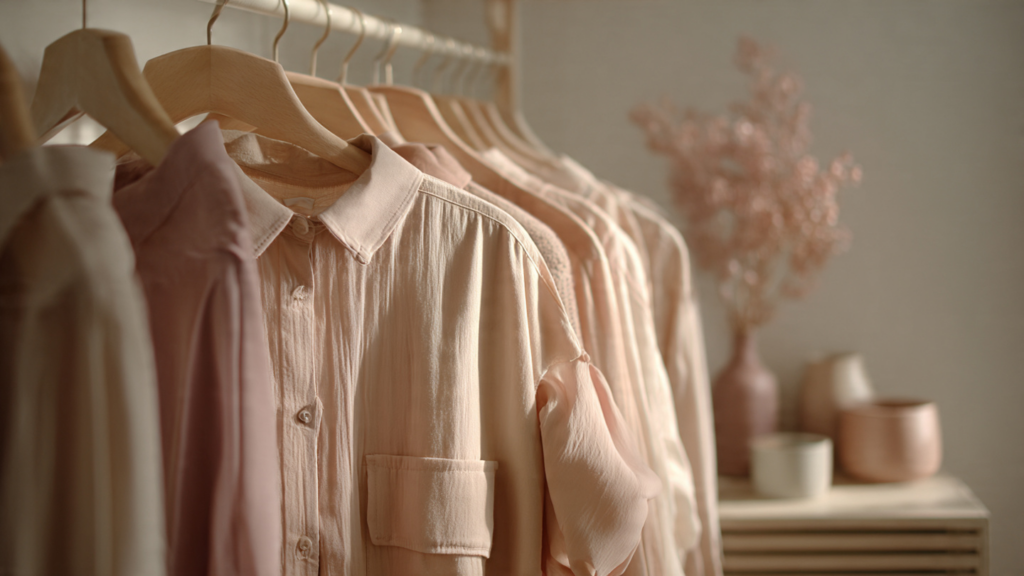
People copy this trend because it feels flexible. You don’t need a new outfit—just a slightly different mood.
What makes these TikTok fashion trends so easy to copy is their quietness. They don’t rely on shock or novelty. They repeat because they feel adaptable, forgiving, and real.
The clothes don’t take over the day. They move alongside it.
AI Insight:
Many notice they’re drawn to repeating fashion trends not for how they look on screen, but for how easily they seem to fit into ordinary moments without asking for attention.