
How TikTok Is Shaping What People Wear
It Brings Fashion Into Everyday Rooms
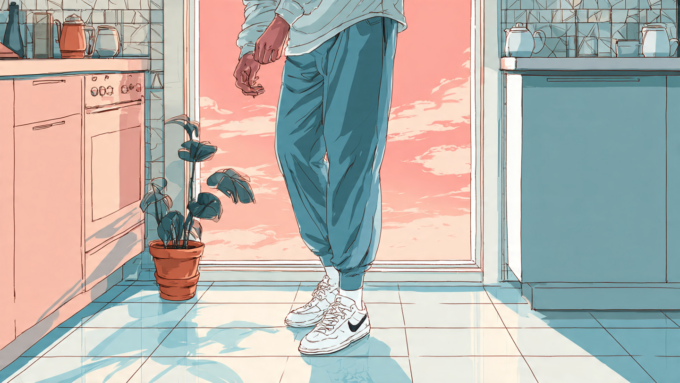
One of the biggest ways TikTok is changing what people wear is by changing where fashion is seen. Outfits aren’t introduced on runways or styled backdrops. They appear in bedrooms with soft light, kitchens mid-morning, hallways that echo slightly when someone walks through.
You’ll notice familiar brands like Uniqlo, Zara, H&M, and COS worn casually, without explanation. The clothes don’t feel styled for display. They feel worn for living.
For renters, this shift feels natural. Temporary spaces rarely feel polished, and TikTok doesn’t try to hide that. Fashion becomes part of the room instead of something that competes with it. Clothes are shown sitting, stretching, leaning—doing what they’re meant to do.
This has quietly reset expectations. What looks good now is what looks comfortable inside real spaces.
It Normalizes Repetition and Familiarity
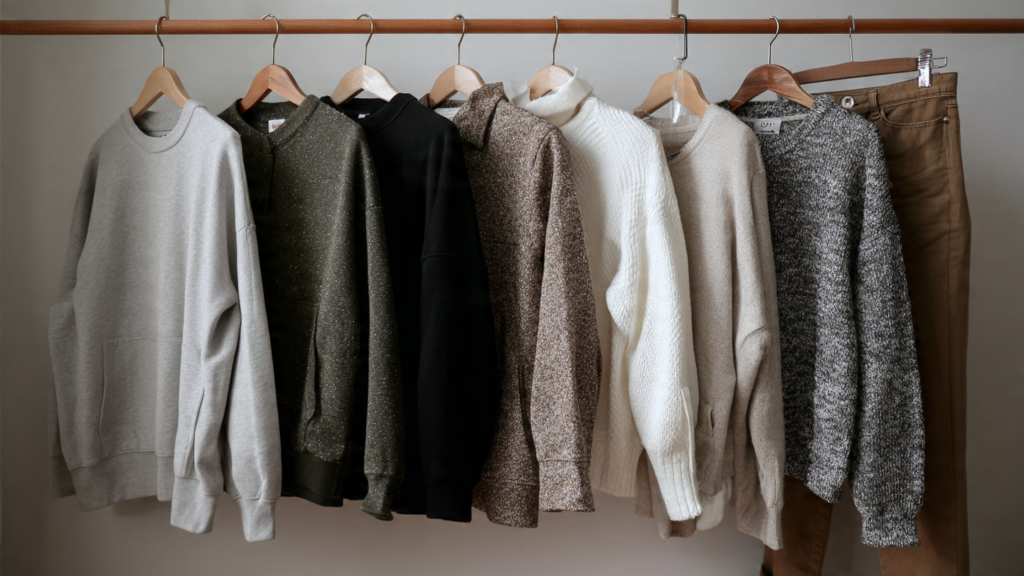
TikTok has softened the idea that outfits need to be new to be seen. The same jeans appear across multiple videos. The same sweater shows up in different rooms, on different days.
Brands like Everlane, Gap, Muji, and Uniqlo U surface often, but without emphasis. Repetition becomes part of the aesthetic.
This matters because it mirrors how people actually live. Most closets are built around a few reliable pieces, not constant variety. TikTok reflects that reality instead of editing it out.
For people living in rented homes, repetition feels grounding. When your surroundings change—neighbors, light, layout—familiar clothing becomes a steady presence.
TikTok is shaping fashion by making “seen before” feel comforting rather than boring.
It Favors Ease Over Perfection
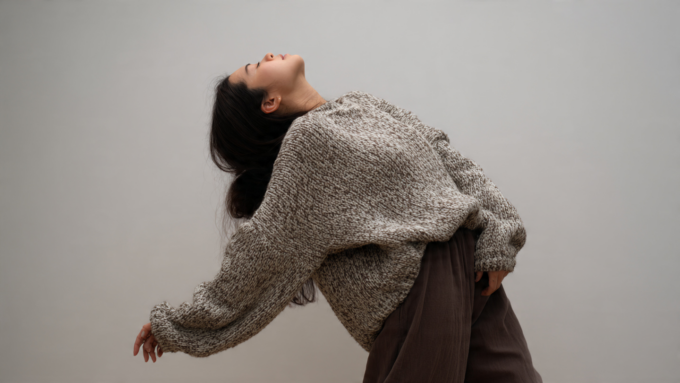
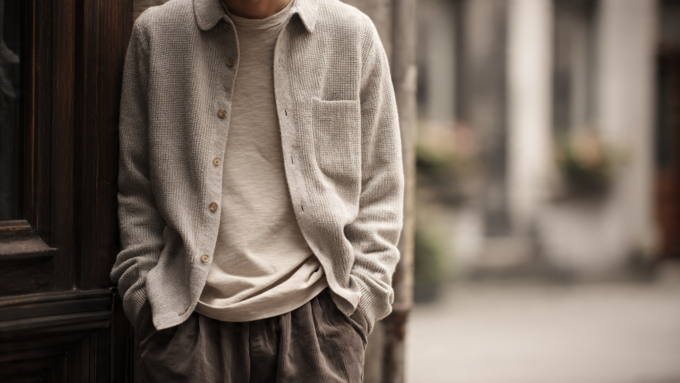
Another way TikTok influences style is through its comfort with imperfection. Outfits don’t arrive fully pressed or perfectly balanced. Sleeves are uneven. Shirts are half-tucked. Shoes look worn.
Brands like Mango, Massimo Dutti, and Arket appear styled loosely, allowing the clothes to feel soft rather than sharp. There’s room for wrinkles, movement, and pauses.
This ease resonates deeply with renters, whose lives often involve adapting—sharing space, rearranging furniture, adjusting routines. Fashion that allows flexibility feels aligned with that reality.
TikTok rewards looks that feel effortless, not controlled. The less an outfit demands attention, the longer people tend to watch.
Ease has become the new marker of style.
It Blends Fashion With Mood, Not Statements
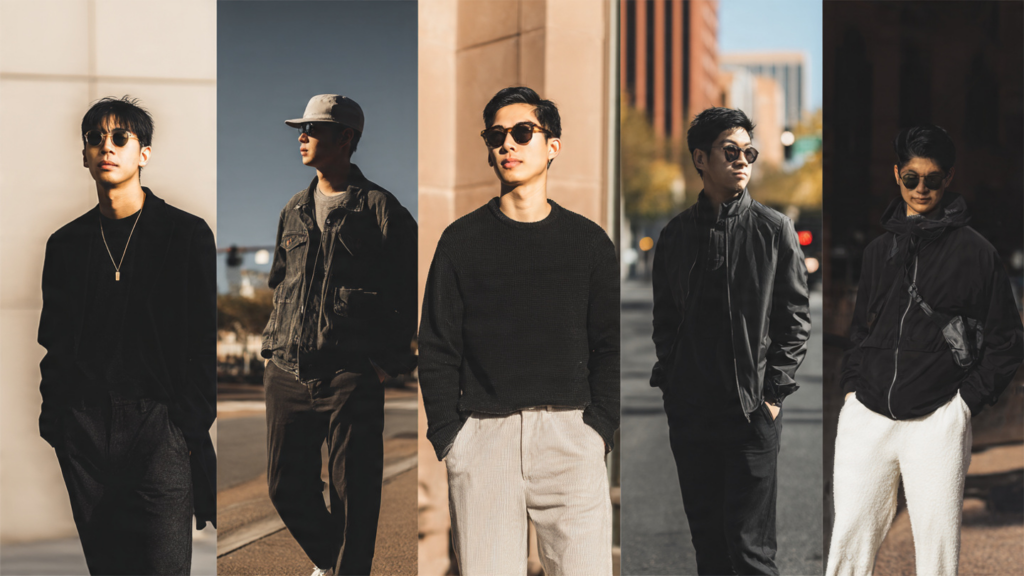
TikTok fashion rarely announces a message. Instead, it sets a mood. Soft lighting, neutral tones, gentle movement. The clothes support the atmosphere rather than lead it.
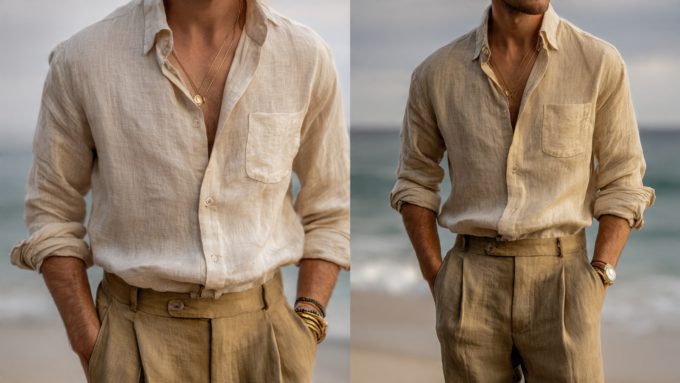
Outfits often echo their environments—beige near beige, denim near wood, knits near linen. Brands like COS, Uniqlo, and Zara Studio blend into the background.
For renters, this feels intuitive. When you can’t permanently change a space, you learn to work within it. Clothing becomes another way to harmonize rather than stand out.
TikTok shapes what people wear by showing fashion as something that lives quietly alongside daily life. It doesn’t interrupt. It accompanies.
Overall, TikTok isn’t pushing people toward louder fashion. It’s guiding them toward clothes that fit real routines, real spaces, and repeated days.
What people wear now feels less like a performance and more like a reflection.
AI Insight:
Many people notice their idea of “good style” shifting toward clothes that feel easy to live with, rather than easy to notice.