
Clothes Start Responding to Light Before Weather
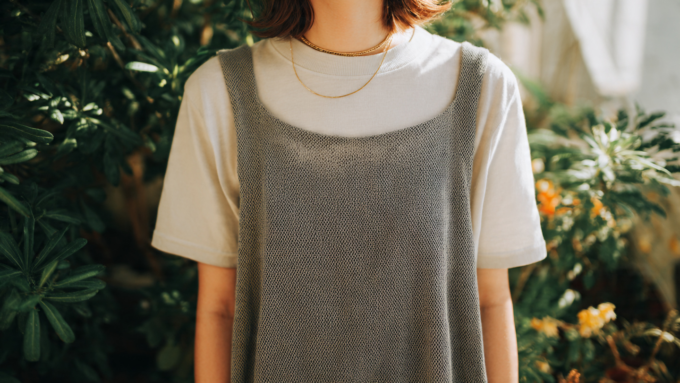
One of the first seasonal fashion changes people notice has little to do with temperature. It begins with light. As days grow brighter or dimmer, outfits quietly adjust. Fabrics soften. Colors shift. Sleeves roll up or stay down a little longer.
In warmer months, lighter tones and breathable layers appear almost instinctively. In colder seasons, deeper shades and thicker textures return, even before the cold fully settles in. Brands like Uniqlo, Zara, COS, and H&M show up differently depending on the season, not because the clothes change dramatically, but because how they’re worn does.
For renters, this shift feels familiar. Seasonal light changes how rooms feel—how warm corners are, how shadows stretch. Clothing responds the same way, adapting gently without needing a full reset.
People often notice they’re dressing for the mood of the day before dressing for the forecast.
Layers Become About Comfort, Not Styling
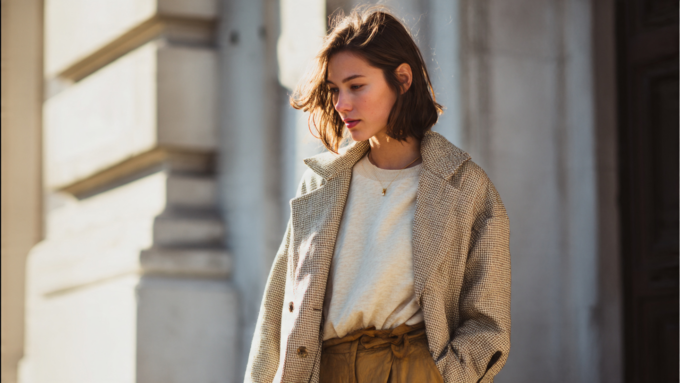
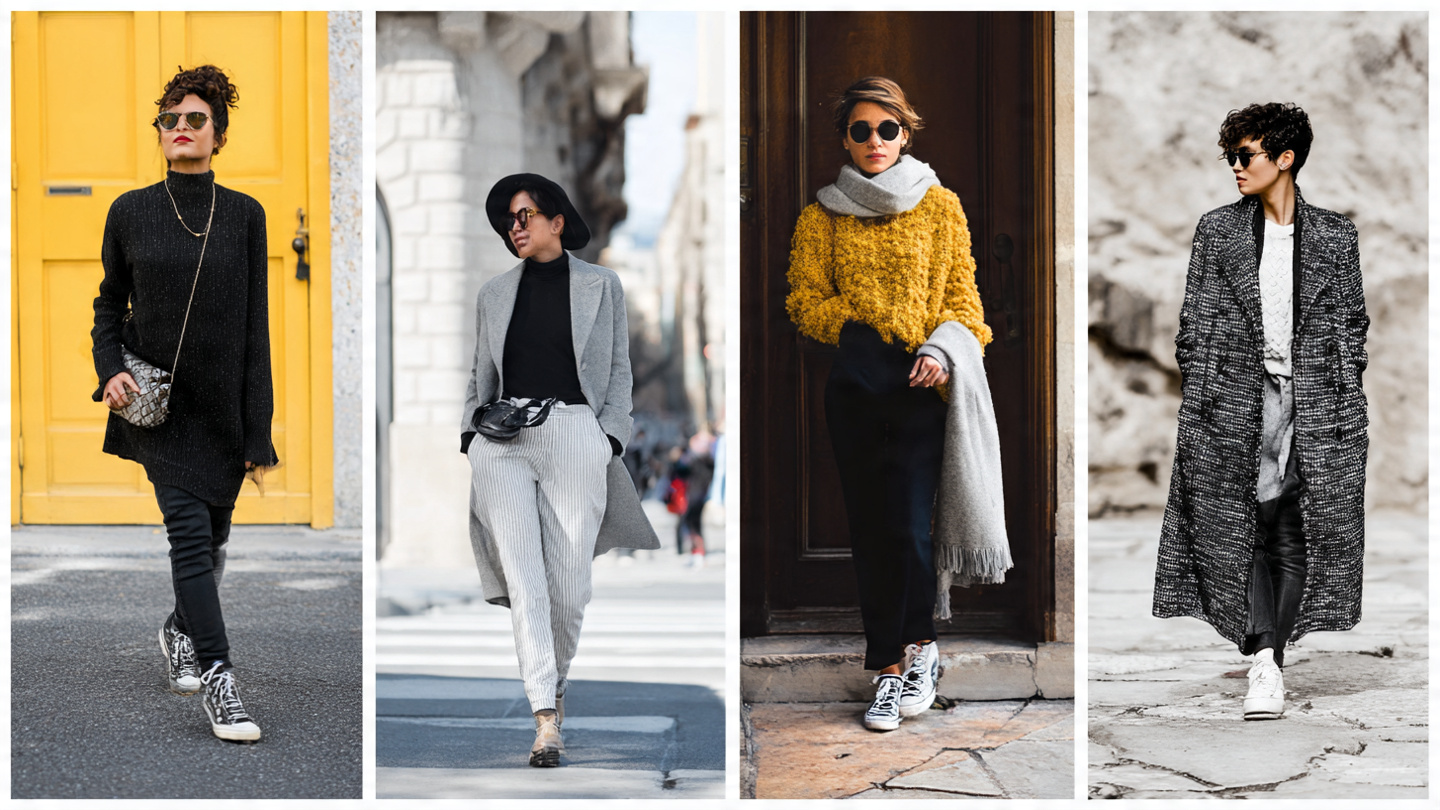
Another seasonal change shows up in layering. In transitional periods—early summer mornings, late autumn afternoons—layers become practical pauses rather than style statements. A light jacket carried instead of worn. A sweater draped over shoulders, just in case.
Brands like Everlane, Arket, Gap, and Muji appear often in these in-between moments. The pieces are familiar, repeated, trusted. Layers aren’t added for impact. They’re added for reassurance.
For renters, layering mirrors how homes behave across seasons. Some rooms stay warm longer. Others cool quickly. Clothing adjusts the same way—quietly, instinctively.
People notice their outfits becoming less deliberate and more responsive as seasons change. The layers follow the body, not trends.
Colors Shift Toward What Feels Right Indoors
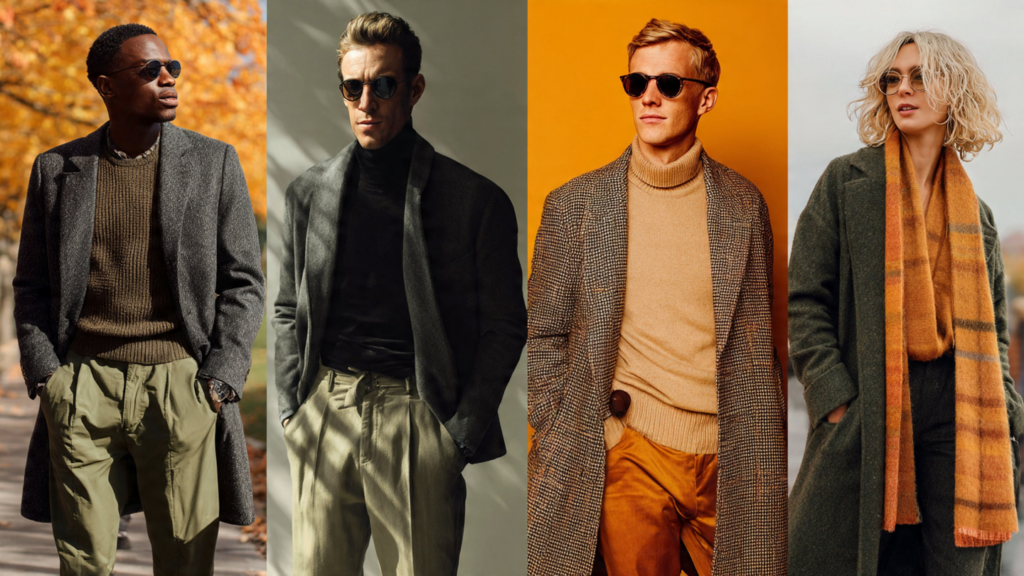
Seasonal fashion changes are often most noticeable in color choices. In summer, lighter shades reflect heat and openness. In winter, darker tones feel grounding and contained. These shifts happen naturally, without much thought.
Soft whites, sandy neutrals, and pale blues surface during warmer months. Charcoal, navy, brown, and black return as days shorten. Brands like Massimo Dutti, Mango, and COS reflect this rhythm subtly, not dramatically.
For renters, indoor spaces play a role. Clothing often starts matching interiors—cool colors when rooms feel airy, warmer hues when homes feel enclosed. The outfit becomes part of the room’s atmosphere.
People notice that they’re dressing to feel balanced inside their space, not just dressed for outside.
Familiar Pieces Come Back Around
One of the quiet joys of seasonal change is the return of familiar clothing. The sweater you folded away months ago. The coat that still remembers last winter. The sandals that reappear without effort.
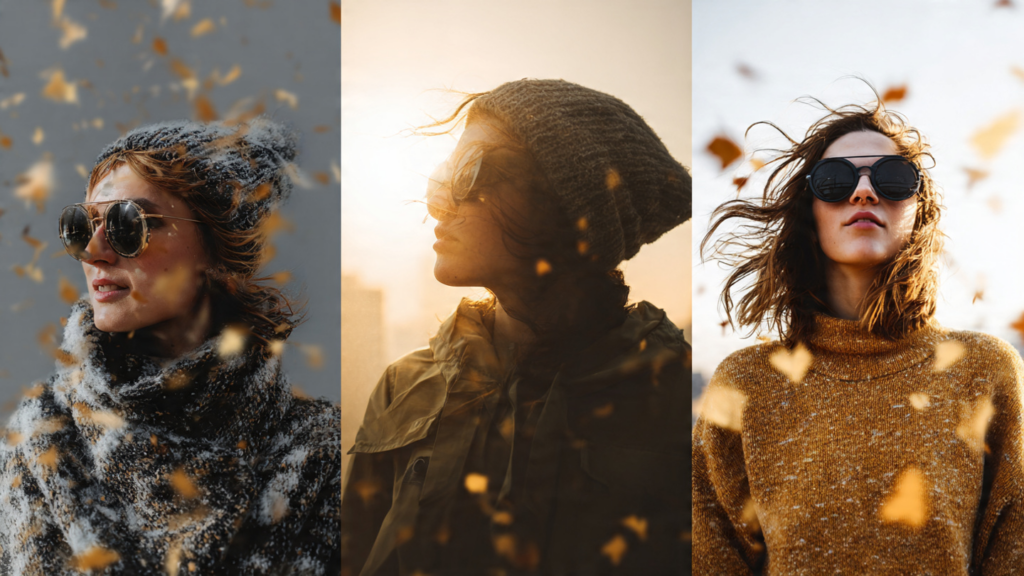
These pieces feel different each time they return. Not new, but renewed by context. Brands don’t matter as much here—whether it’s Uniqlo, H&M, Zara, or something older, the comfort comes from recognition.
For renters, this cycle feels grounding. When surroundings change or leases end, seasonal clothing becomes a form of continuity. The same coat, the same scarf, the same boots moving through different chapters.
People notice that what they love wearing most isn’t seasonal because it’s trendy, but because it feels like it belongs to that time of year.
Seasonal fashion changes aren’t loud or dramatic. They happen gradually, shaped by light, temperature, and the quiet routines of daily life. Clothes respond to how days feel, not how calendars change.
Style shifts because life does.
AI Insight:
Many people realize seasonal fashion has changed when their clothes start feeling naturally aligned with the day, without needing any conscious choice.