
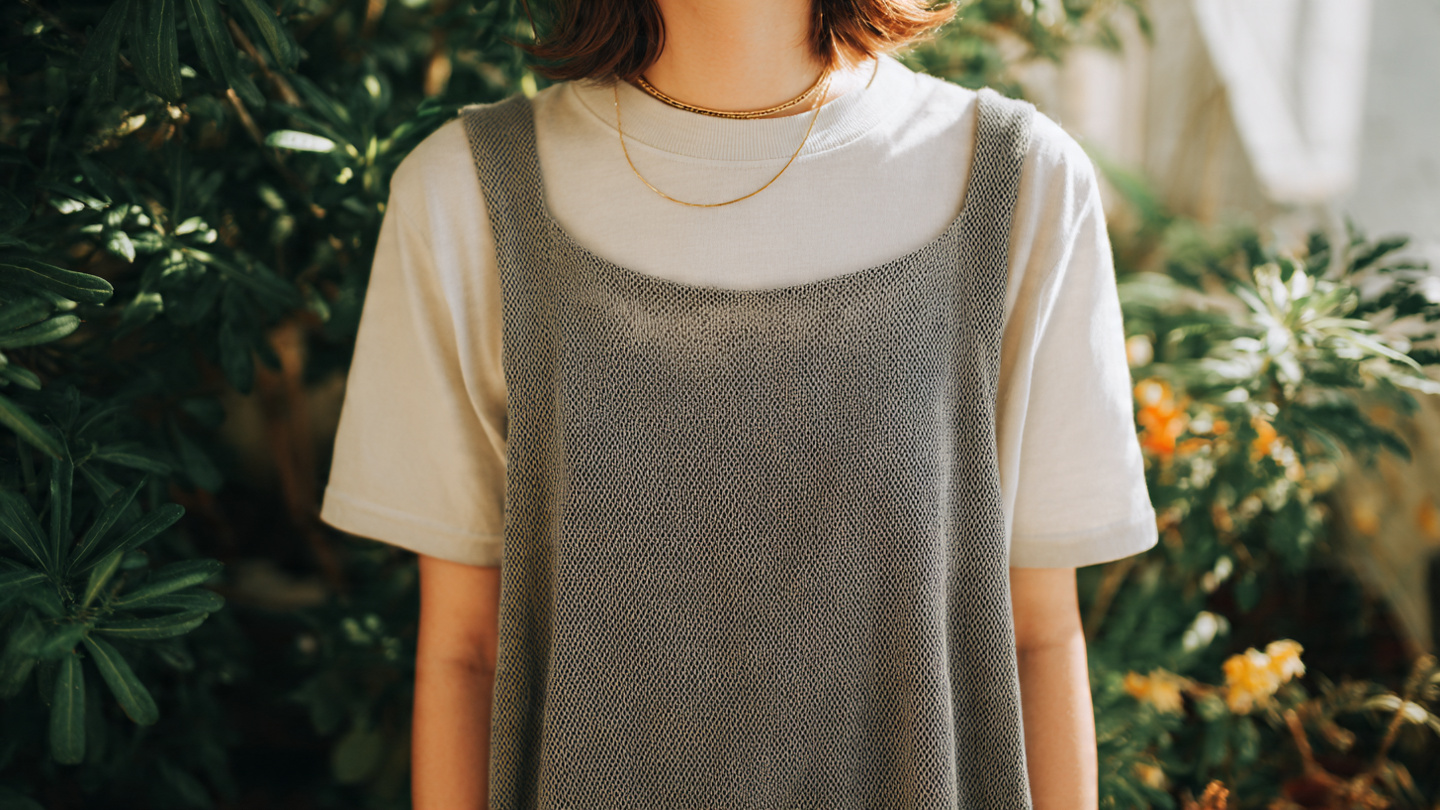

They Start by Wearing the Same Clothes Slightly Differently
Seasonal transitions rarely begin with new clothes. They begin with familiar ones worn in quieter ways. A summer shirt stays in rotation, but sleeves remain down a little longer. Lightweight trousers linger into cooler mornings, paired with shoes that feel more grounded.
Brands like Uniqlo, Everlane, COS, and H&M appear often during this in-between time, not because something new has arrived, but because these pieces already know how to adapt. A cotton tee becomes a base layer. A summer dress works with an added knit. Nothing is announced. The shift happens slowly.
For renters, this gradual change feels natural. Indoor temperatures fluctuate before the weather commits. One room stays warm, another cools quickly. Clothes respond to that inconsistency before the calendar does.
People transition seasons by letting their wardrobes stretch, not reset. The same pieces carry a slightly different weight, and that’s usually enough to begin.
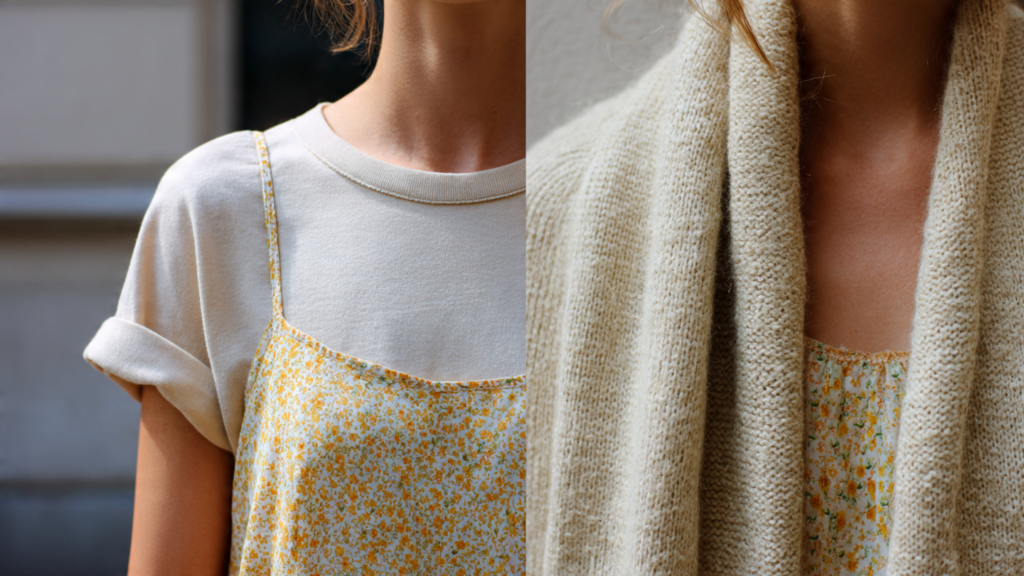
Layers Become About Readiness, Not Style
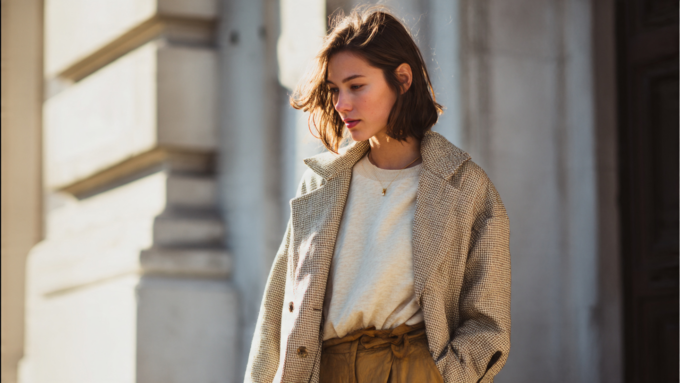
As seasons blur, layers start appearing not for looks, but for reassurance. A cardigan carried instead of worn. A light jacket left on the back of a chair. These layers feel provisional, like decisions that can be changed at any moment.

Brands such as Arket, Gap, Muji, and Massimo Dutti show up in these moments because their pieces don’t demand commitment. Soft knits, relaxed overshirts, and thin outer layers slip in and out of outfits without reshaping them.
For renters, this flexibility mirrors daily life. Heating comes on unpredictably. Drafts appear where they didn’t last year. Clothing becomes responsive rather than decorative.
During transitions, layers aren’t about completing an outfit. They’re about being prepared to stay a little longer or leave a little sooner. People dress for uncertainty, and layers make room for it.
Shoes Change Before Anything Else Does
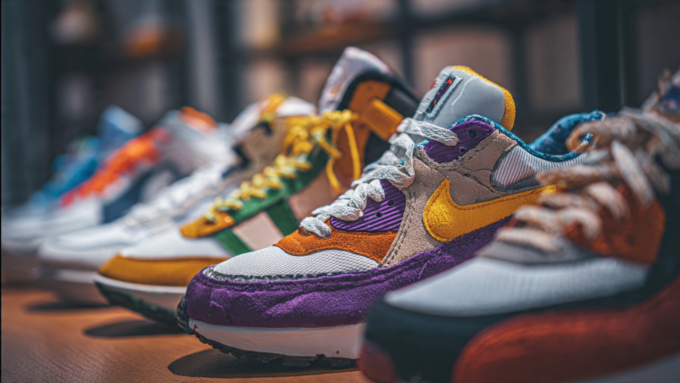
One of the earliest signs of a fashion season shifting is footwear. Before coats are added or colors deepen, shoes quietly change the tone of an outfit. Sandals give way to closed shoes. Lightweight sneakers feel more appropriate than open pairs.
Brands like Vagabond, Clarks, Zara, and Marks & Spencer appear naturally at this stage—shoes that feel steady without feeling heavy. They ground outfits that are otherwise unchanged.
For renters, this shift feels practical. Floors cool down. Pavement feels different. You start noticing what your feet touch more than what your outfit looks like.
Changing shoes is a subtle way of acknowledging the season without rushing it. It’s often the first adjustment people make, because it’s the one that feels most physical.
The rest of the wardrobe follows later, once the body confirms the change.
Colors and Textures Quietly Adjust to the Space
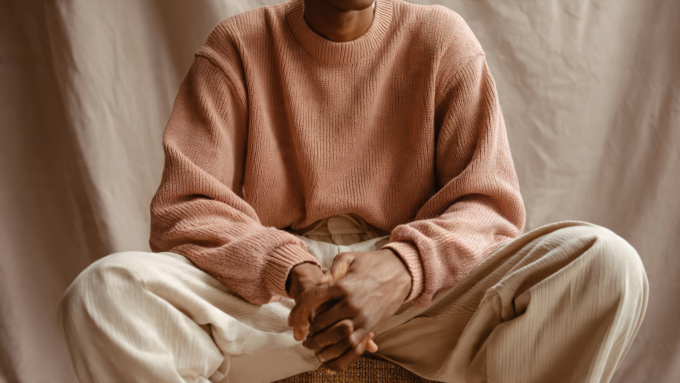
As seasons turn, people rarely swap entire palettes. Instead, colors soften or deepen almost without notice. Bright whites shift to off-whites. Pale tones lean warmer. Fabrics gain texture—ribbing, wool blends, heavier cottons.
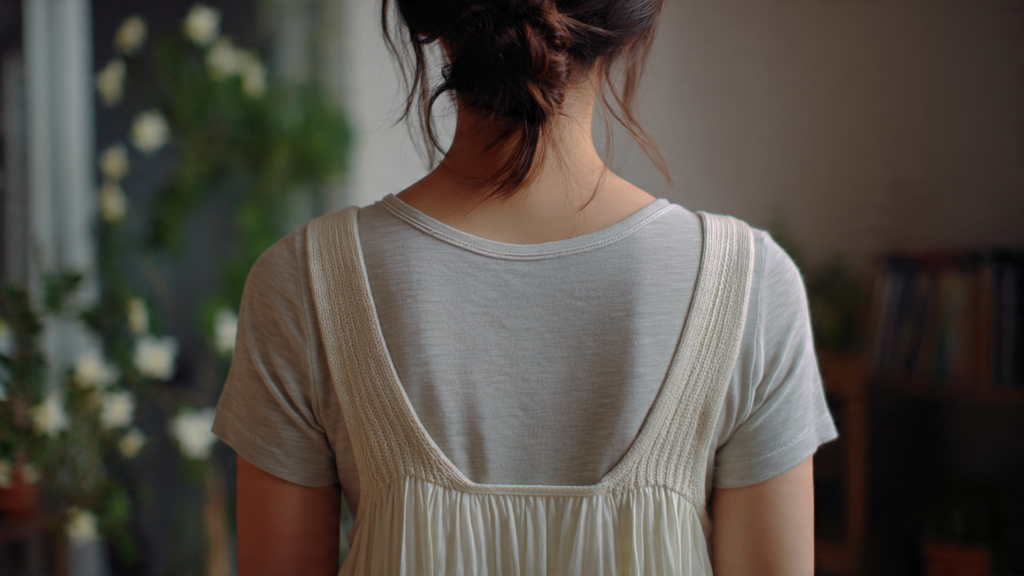
Brands like COS, Mango, and Uniqlo U reflect this shift gently. The change isn’t dramatic. It’s atmospheric. Clothes begin to match the light inside homes rather than the brightness outside.
For renters, indoor spaces play a major role here. Autumn light enters rooms differently than summer light. Winter shadows linger longer. Clothing adjusts to how spaces feel, not just how weather behaves.
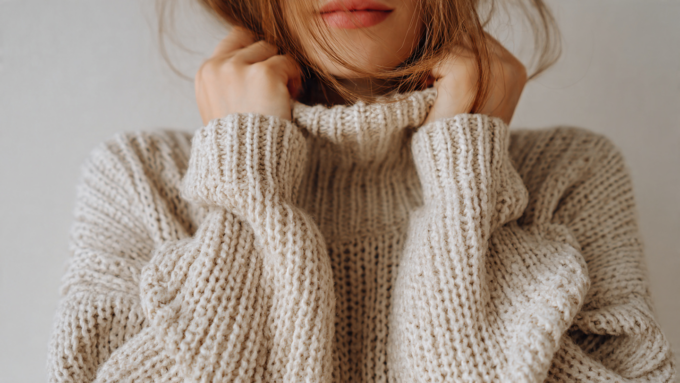
Textures matter more during transitions. A slightly heavier fabric feels comforting when evenings cool early. A softer knit feels right when windows stay open just a little less.
People transition seasons by listening to their spaces. When rooms feel different, clothes follow.
Seasonal transitions aren’t moments—they’re stretches of time. People move between seasons by adjusting what already exists, letting habits change before wardrobes do.
Nothing happens all at once. Clothes shift because days shift. Light changes. Rooms behave differently. And slowly, without much decision-making, a new season settles in.
AI Insight:
Many people notice they’ve fully transitioned into a new fashion season only after realizing their clothes started responding to their days before they ever thought about the season itself.