
They Fit Into Daily Life Before They Fit Into a Season
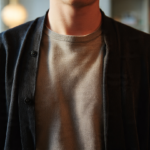
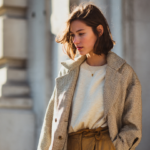
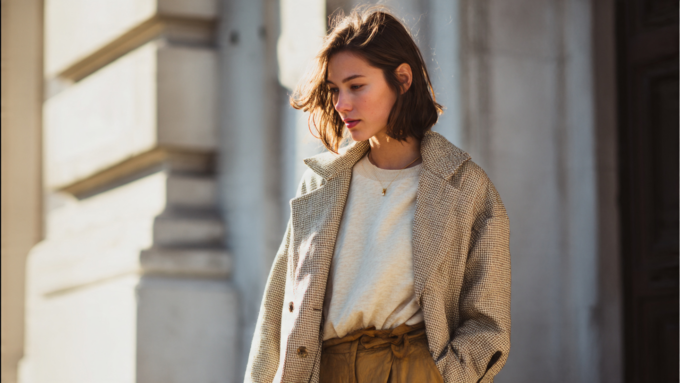
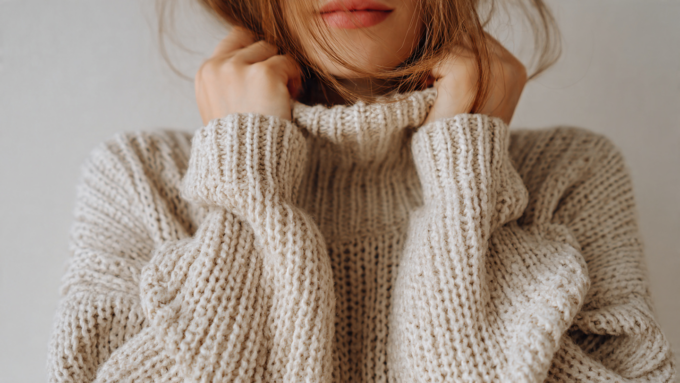
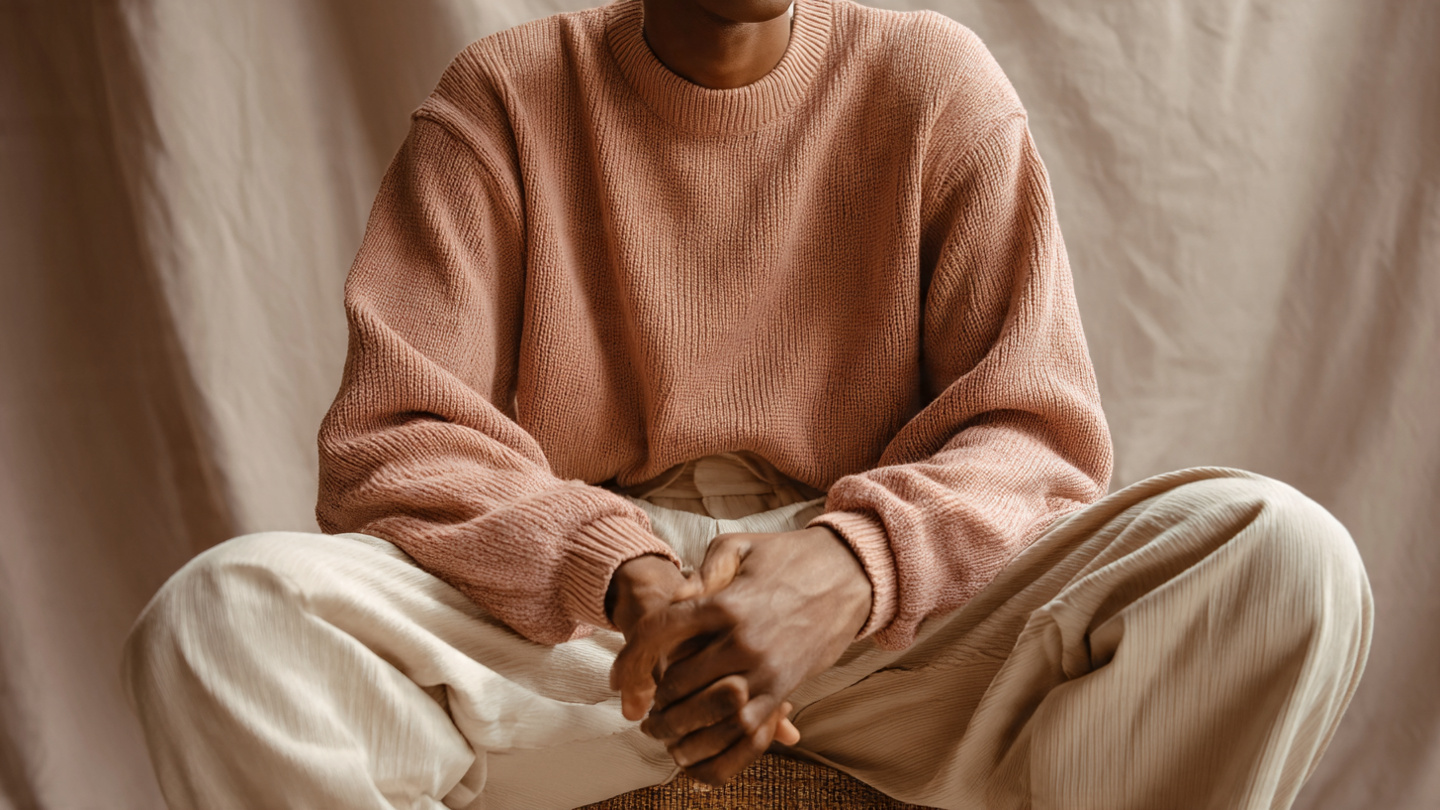
Seasonal trends that last usually don’t arrive with a strong first impression. They slip in quietly, worn on ordinary days rather than saved for special ones. A soft knit appears before the cold fully sets in. Lightweight trousers stay in rotation even as temperatures shift.
Brands like Uniqlo, COS, Everlane, and H&M show up often in these moments, not because they’re leading the trend, but because their pieces are already part of everyday routines. The clothes don’t feel seasonal at first. They just feel useful.
For renters, this kind of trend feels especially believable. Life in a temporary space encourages practicality. You reach for what works across changing light, uneven heating, and days that don’t follow a script. When a trend supports that rhythm, it doesn’t feel like a trend at all—it feels like a solution you didn’t realize you needed.
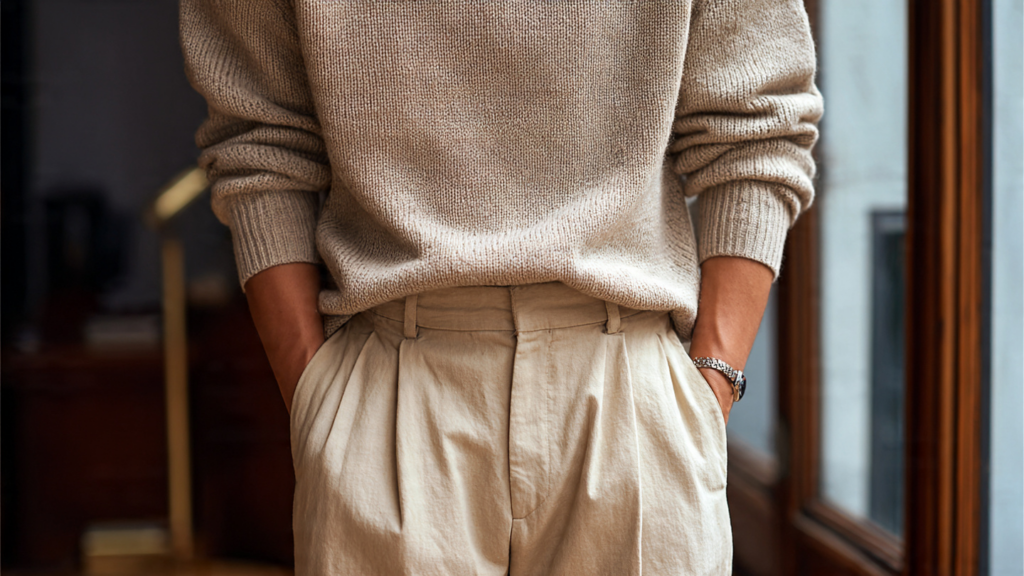
Trends stick around when they prove themselves quietly, one normal day at a time.
They Feel Good in the Spaces People Actually Live In
Another reason some seasonal trends last is how well they sit inside real homes. Not styled homes, not ideal ones—real apartments with mixed furniture, borrowed light, and rooms that behave differently depending on the time of day.
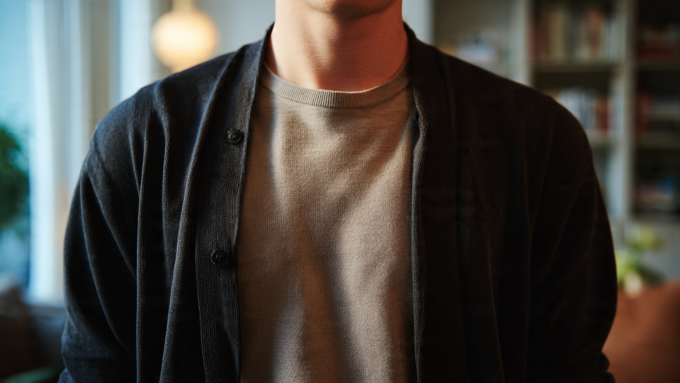
Soft neutral colors, relaxed silhouettes, and adaptable layers tend to work best here. Brands like Arket, Muji, Zara, and Massimo Dutti often appear because their pieces don’t fight the environment. They echo it.
For renters, this matters more than trends often admit. When walls can’t be repainted and floors can’t be changed, clothing becomes one of the few ways to create harmony. Trends that feel calm against neutral walls and natural light feel easier to live with.
If something looks right in the space you wake up in every day, you’re more likely to keep wearing it. And that’s how a seasonal trend quietly becomes permanent.
They Allow Repetition Without Feeling Tired
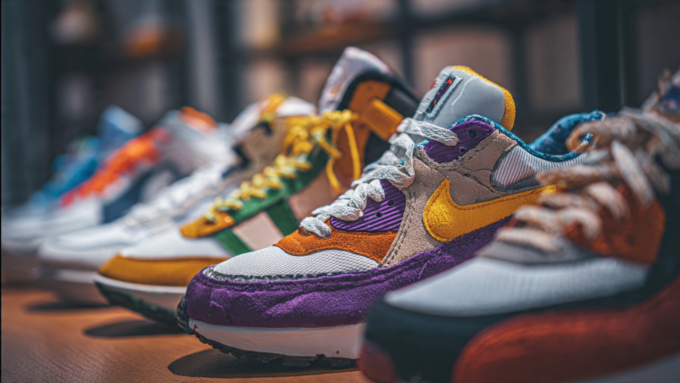
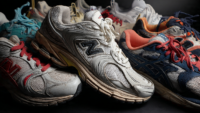
Trends that last are usually the ones that don’t mind being repeated. The same jacket worn across multiple weeks. The same trousers showing up in different combinations. The same shoes carried through changing weather.
Brands like Gap, Uniqlo U, COS, and Marks & Spencer show up again and again in these repeated looks. Not because they’re exciting, but because they’re dependable. The clothes don’t lose their appeal with familiarity—they gain it.
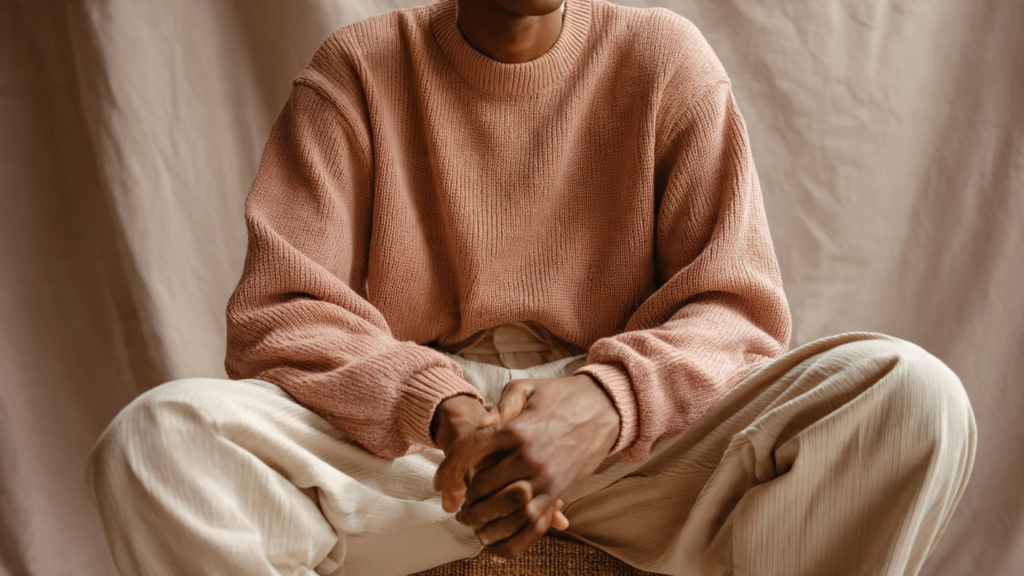
For renters, repetition is often a necessity. Storage is limited. Closets are shared or small. Pieces that work in multiple situations earn their place quickly. A trend that survives repetition becomes part of the background of life rather than something you have to maintain.
Seasonal trends stick around when they don’t require novelty to feel relevant. When they still feel right on the fifth wear, not just the first.
They Adapt as People Change, Not Just as Weather Does
One of the quiet truths about seasonal fashion is that people don’t return to seasons the same way every year. Life shifts. Routines soften or speed up. Homes change. What felt right last winter might feel too heavy now. What felt simple before might feel comforting today.
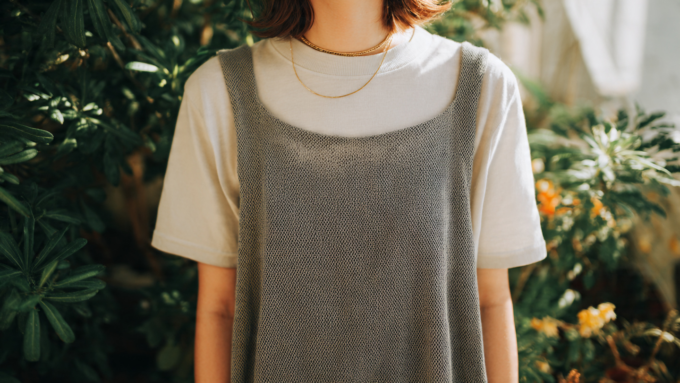
Trends that last are the ones that leave room for that change. Relaxed shapes that don’t demand posture. Layers that can be added or removed without altering the whole outfit. Colors that feel steady even as moods shift.
Brands like Mango, COS, and Everlane often reflect this adaptability. Their pieces don’t lock into a single moment. They stretch across years, adjusting to how the wearer has changed rather than forcing them back into an old version of themselves.
For renters, this flexibility feels especially important. Homes change more often than wardrobes. Clothing that adapts emotionally as well as physically becomes something you trust.
A seasonal trend sticks around when it grows alongside the person wearing it, rather than reminding them of who they used to be.
In the end, seasonal trends don’t last because they’re announced loudly or adopted quickly. They last because they integrate gently. They work in real spaces, repeat without fatigue, and adjust to lives that don’t stand still.
The trends that stay are rarely the most dramatic ones. They’re the ones that quietly earn a place in daily routines and then never quite leave.
AI Insight:
Many people realize a seasonal trend has truly lasted when they can’t remember when they started wearing it—only that it feels like it’s always belonged there.