
It Filters Big Ideas Into Everyday Shapes
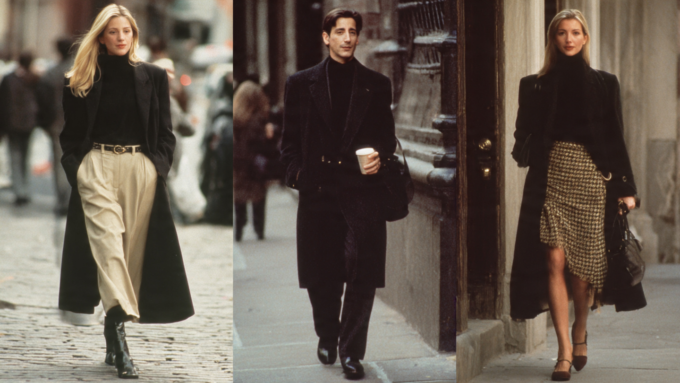
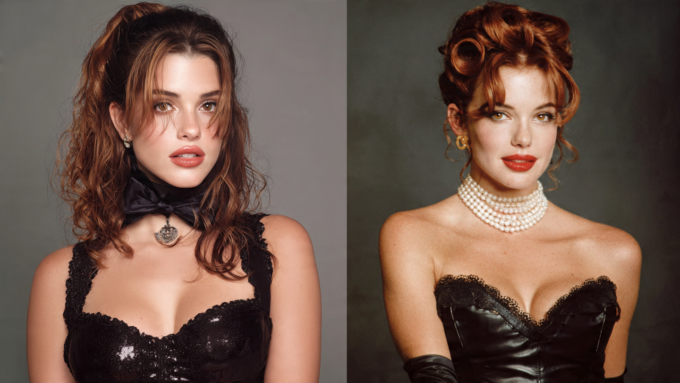
Celebrity fashion rarely reaches people in its most dramatic form. Red carpet looks make headlines, but they don’t usually change what ends up in closets. What shapes trends instead are the quieter translations—simple silhouettes, familiar pieces, softened versions of something bold.
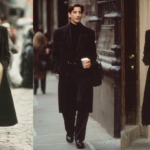
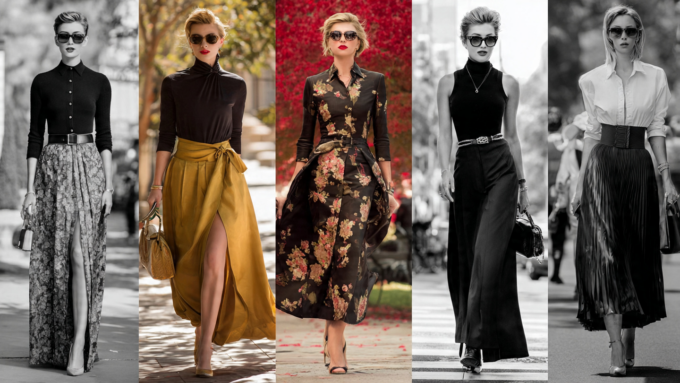
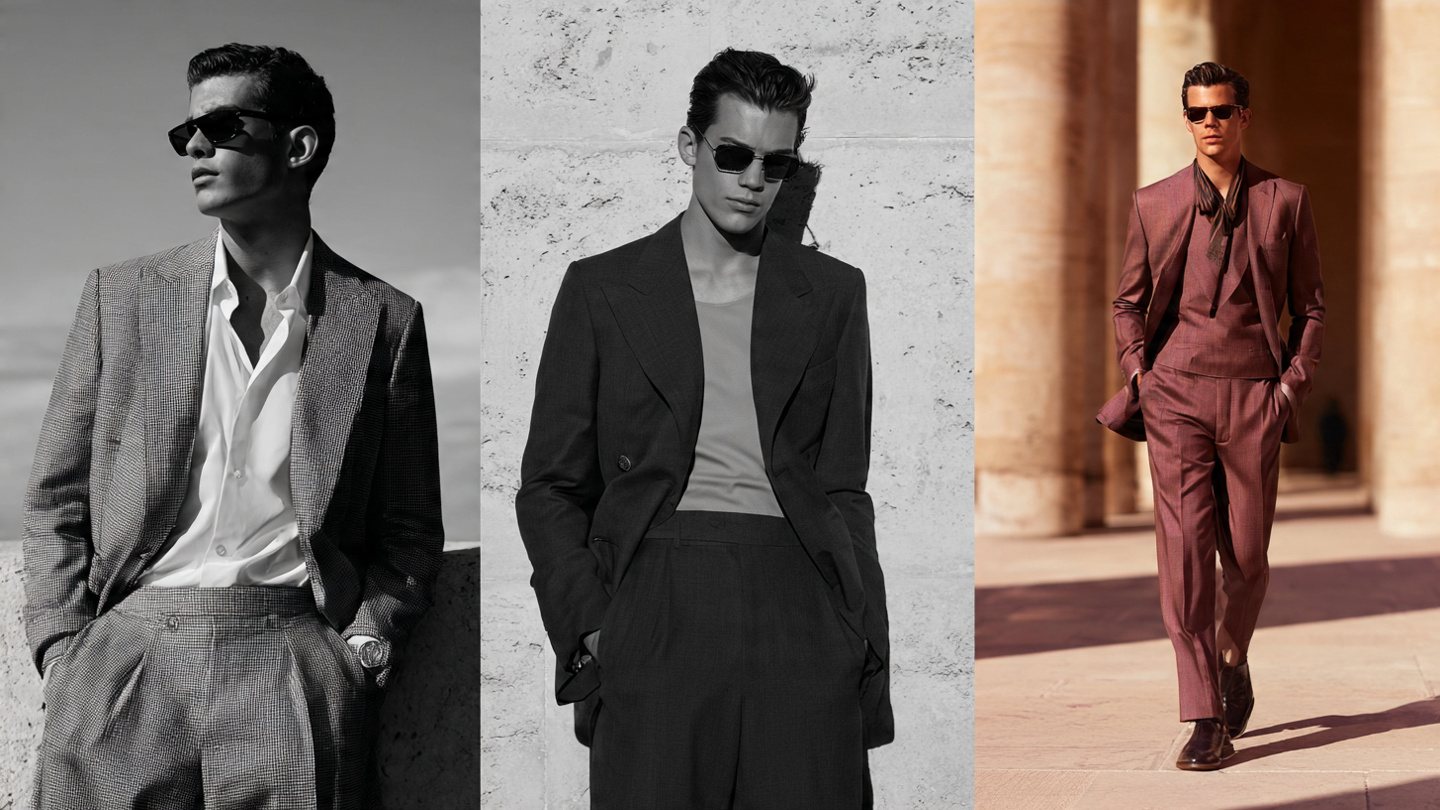
A sharply tailored suit becomes an oversized blazer worn casually. A striking color becomes a neutral palette worn repeatedly. Brands like Zara, Uniqlo, COS, and H&M appear often in this process, offering pieces that echo celebrity looks without carrying their intensity.
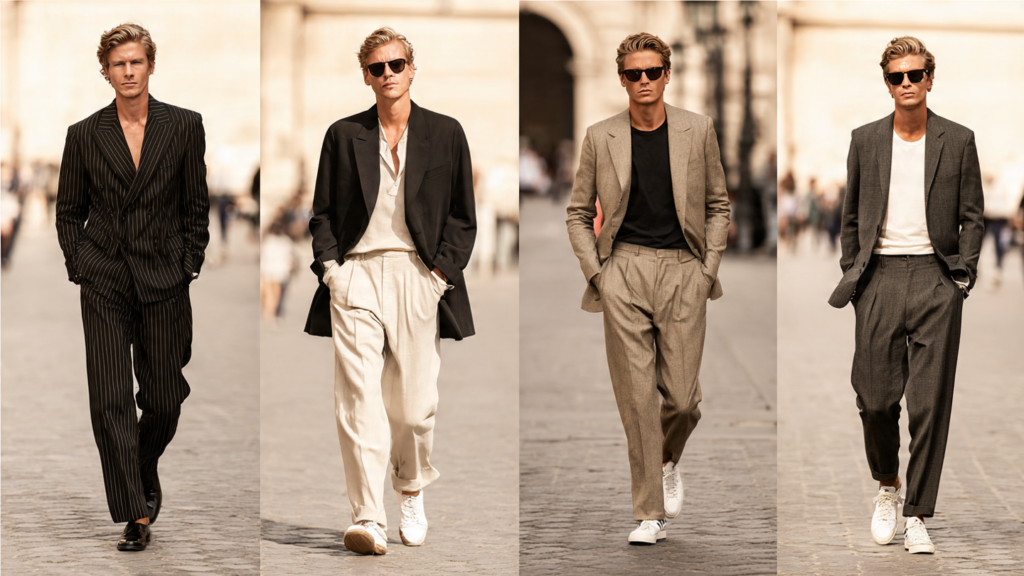
For renters, this filtering matters. Life in temporary spaces doesn’t leave much room for extremes. Trends that survive are the ones that can live alongside daily routines—making coffee, sitting on the floor, stepping out briefly. Celebrity fashion shapes trends by proving which ideas can be softened enough to stay.
What lasts isn’t the spectacle, but the shape it leaves behind.
It Makes Familiar Pieces Feel Current Again
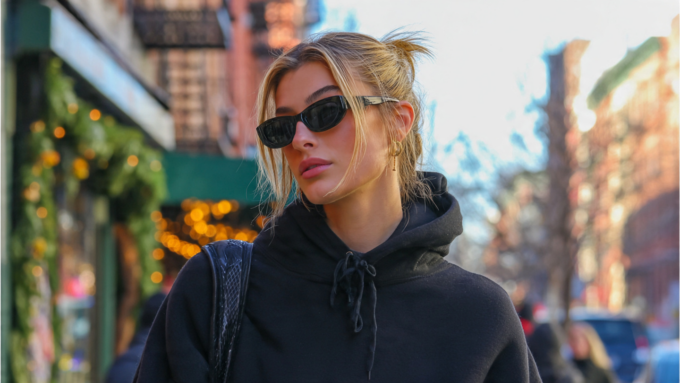
One of the quiet ways celebrity fashion shapes trends is by returning attention to things people already own. Straight-leg jeans, simple tanks, relaxed coats, soft knits—pieces that never really disappeared, but needed a moment of recognition.
When celebrities repeat these items—wearing the same jeans again, the same coat across seasons—it reframes familiarity as intention. Brands like Levi’s, Gap, Everlane, and Uniqlo U show up often, not because they’re new, but because they’re reliable.
For renters, this is reassuring. When homes change and routines shift, familiar clothing becomes grounding. Seeing it worn confidently makes repetition feel valid, even desirable.
Celebrity fashion doesn’t always introduce trends. Sometimes it simply reminds people what’s already working.
It Connects Clothing to Mood, Not Just Image
Trends shaped by celebrity fashion today are often emotional rather than visual. People don’t just notice what’s worn—they notice how it feels. Calm. Ease. Quiet confidence. Clothes that don’t rush or demand attention.
Even when higher-end brands like The Row or Totême are referenced, recreations focus on atmosphere rather than accuracy. Soft colors. Clean lines. Pieces that feel settled in natural light.
For renters, mood matters more than polish. Clothing becomes part of the environment you live in—how it feels against neutral walls, in small rooms, during slow afternoons. Celebrity outfits that look comfortable being worn shape trends because they feel emotionally accessible.
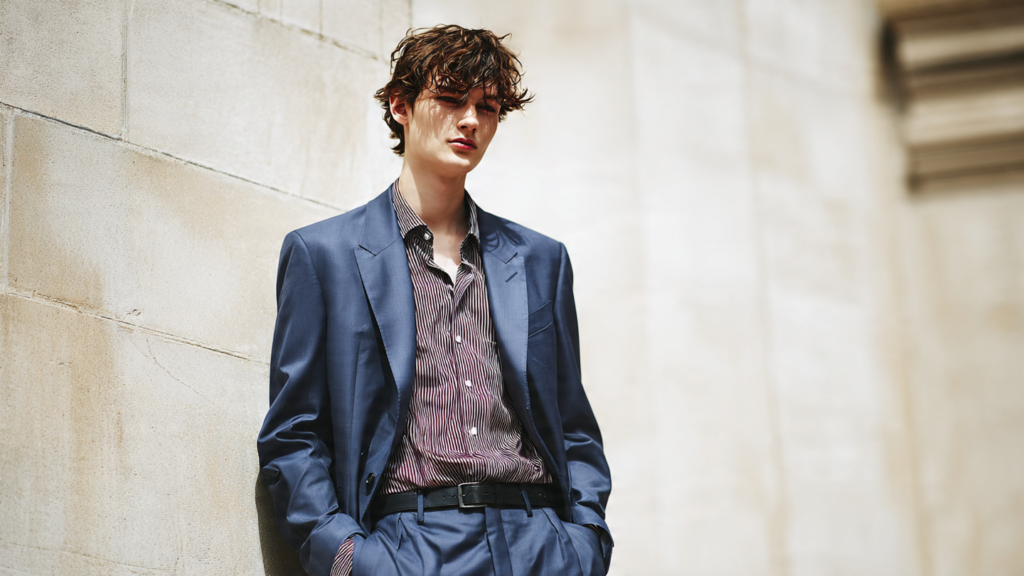
People copy how the outfit exists, not just how it looks.
It Normalizes Repetition as Style
Another lasting influence of celebrity fashion is how it’s made repetition visible. The same blazer worn again. The same trousers paired differently. The same color palette returning week after week.
This repetition shifts the definition of style from novelty to consistency. Brands like COS, Arket, Mango, and Marks & Spencer appear often because their pieces hold up to repeated wear without losing relevance.
For renters, repetition feels stabilizing. When surroundings change often, having clothes that stay constant creates a sense of continuity. Celebrity fashion shapes trends by showing that wearing something again isn’t a lack of creativity—it’s a form of confidence.
Trends last longer when they allow people to settle into them.
Celebrity fashion shapes trends not by commanding attention, but by quietly modeling what feels livable. The looks that influence everyday style are the ones that adapt to real spaces, repeat without fatigue, and fit into days that don’t revolve around being seen.
They don’t ask people to become someone else. They show what’s possible within the life people already have.
AI Insight:
Many people realize celebrity fashion has influenced them when a trend feels less like something they copied and more like something that naturally found its way into their routine.