
They Carry Stories Without Needing an Explanation
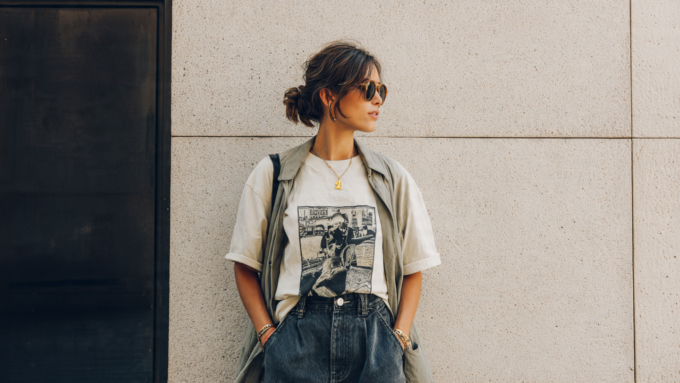
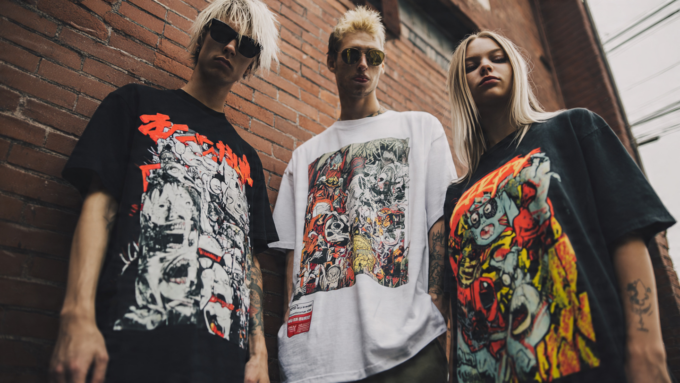
Graphic tees have always felt like quiet messengers. A faded band logo, a small illustration, a line of text you don’t immediately understand. These shirts don’t ask to be decoded. They’re comfortable letting meaning sit loosely.
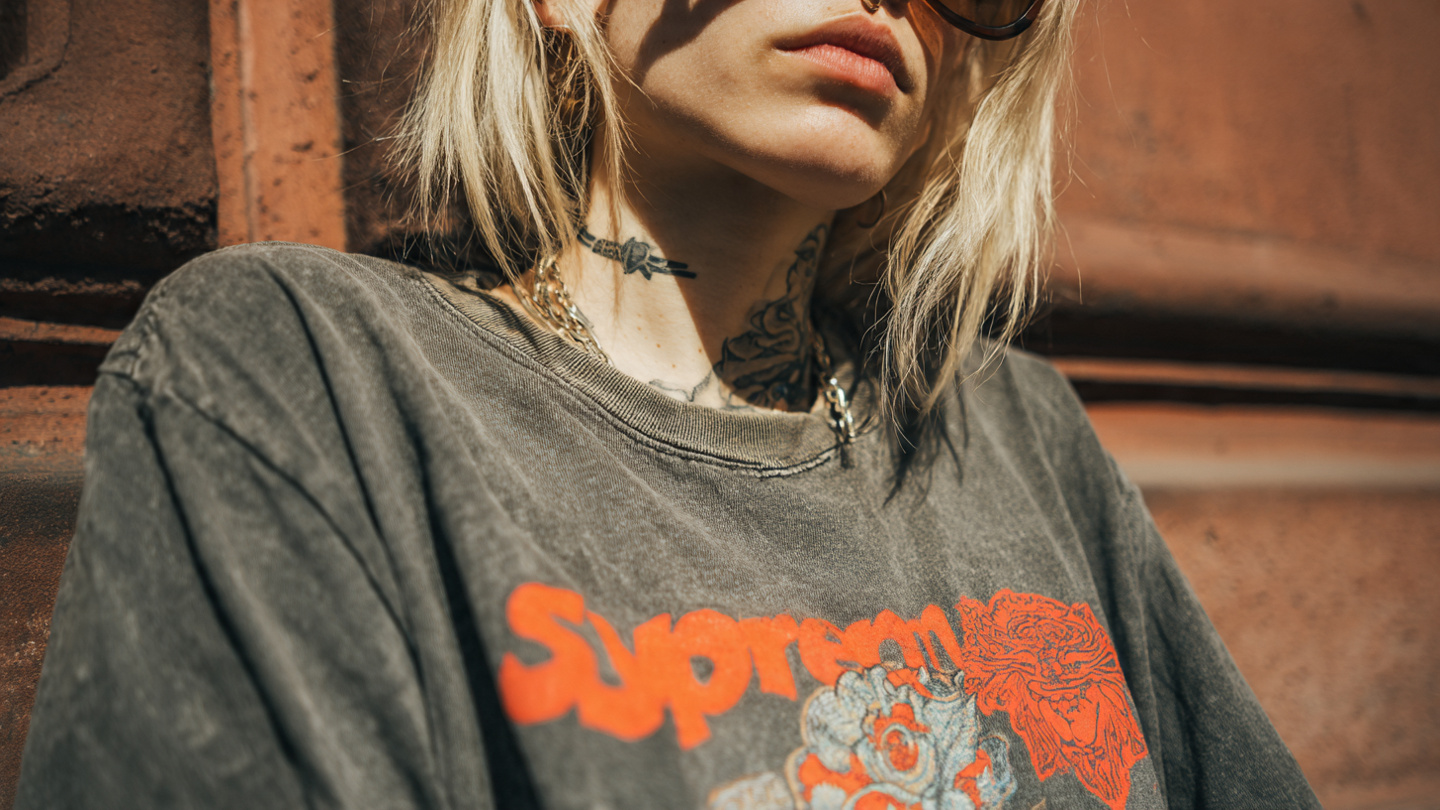
That’s part of their staying power. Brands like Supreme, Stüssy, Uniqlo UT, H&M, and countless vintage labels have kept graphic tees in circulation by letting the graphics feel personal rather than polished. The designs often look better once they’re worn in—slightly cracked ink, softened cotton, edges that don’t feel new anymore.
For renters, this kind of clothing feels natural. When walls and furniture aren’t yours to shape, what you wear becomes one of the few places where personal history can show up freely. A graphic tee doesn’t need the room to agree with it. It carries its own context.
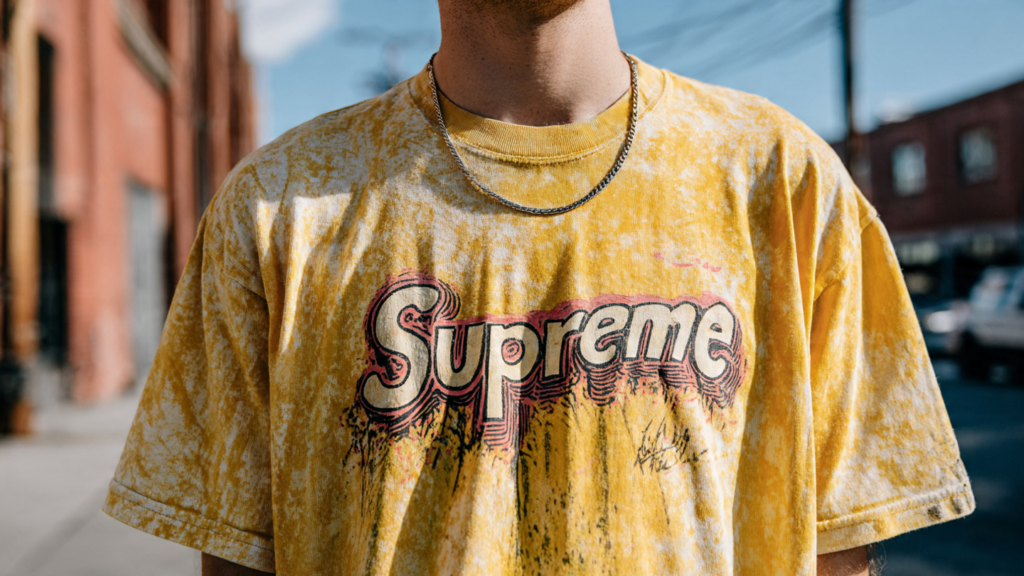
Graphic tees stay in style because they allow people to hold onto small pieces of identity without turning them into statements.
They Sit Comfortably Between Effort and Ease
One reason graphic tees never disappear is how easily they balance effort and comfort. They don’t feel as plain as a blank tee, but they don’t feel dressed-up either. That middle ground keeps them relevant year after year.
Paired with jeans, layered under jackets, worn with trousers or sweats—graphic tees adapt quietly. Brands like Carhartt WIP, Nike, Adidas Originals, and Uniqlo show up often because their tees feel sturdy enough to repeat and relaxed enough to forget about.
For renters, this balance matters. Everyday life rarely fits neatly into “casual” or “put-together.” You might be home most of the day, then step out briefly. A graphic tee doesn’t force a decision. It feels appropriate in both moments.
They remain stylish because they don’t interrupt the rhythm of the day. They simply settle into it.
They Age in a Way That Feels Personal
Unlike trend-driven tops that peak quickly, graphic tees often improve with time. The fabric softens. The print fades slightly. The shirt starts to feel familiar in a way that’s hard to replace.
Vintage graphic tees, thrifted finds, and well-worn pieces from brands like Gap, Levi’s, Hanes, or old concert merch tend to carry this feeling most clearly. The shirt remembers being worn. It doesn’t reset each season.
For renters, this kind of aging feels grounding. When homes change and addresses shift, clothing often becomes the constant. A graphic tee worn across years holds quiet memories—places you lived, routines you repeated, versions of yourself that passed through.
Graphic tees stay in style because they don’t belong to a single moment. They move through time with the person wearing them.
They Layer Easily Without Losing Their Identity
Another reason graphic tees last is how well they layer. Under hoodies, under overshirts, beneath coats—the graphic still peeks through, offering texture without needing full attention.
Streetwear has leaned into this for years. Brands like Stüssy, Supreme, Palace, and Uniqlo UT design graphics that work as part of a larger outfit, not the whole story. The tee adds interest without dominating the look.
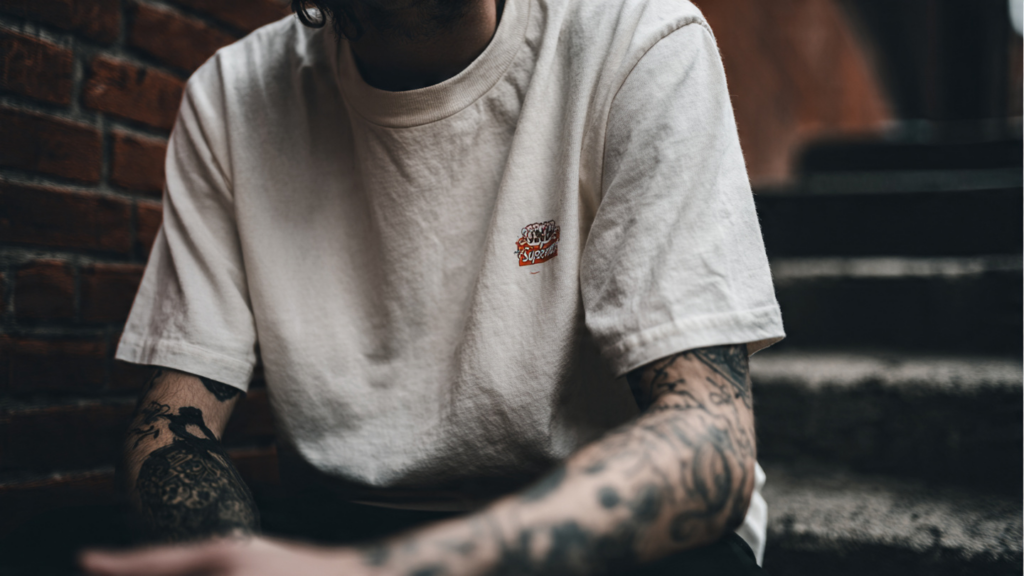
For renters, layering is often practical rather than aesthetic. Temperatures shift from room to room. Days change quickly. A graphic tee works as a base that doesn’t disappear once layers are added.
It stays recognizable, even when partially hidden. That consistency helps it stay relevant through different seasons and styles.
Graphic tees don’t need to lead an outfit. They’re comfortable supporting it.
Graphic tees are always in style because they don’t rely on precision, novelty, or perfect settings. They work in small rooms, shared spaces, and ordinary days. They soften with time, layer without effort, and carry meaning without insisting on it.
They don’t compete with life. They move alongside it.
AI Insight:
Many people realize a graphic tee has lasting appeal when it feels less like something they chose for an outfit and more like something that’s quietly been part of their life for a long time.