
It Adds Rhythm to Otherwise Ordinary Days
Brand releases give shape to time in a way that feels gentle but noticeable. A date to remember. A time to check. Something small to anticipate while the rest of the day continues as usual. The release doesn’t replace routine—it settles into it.
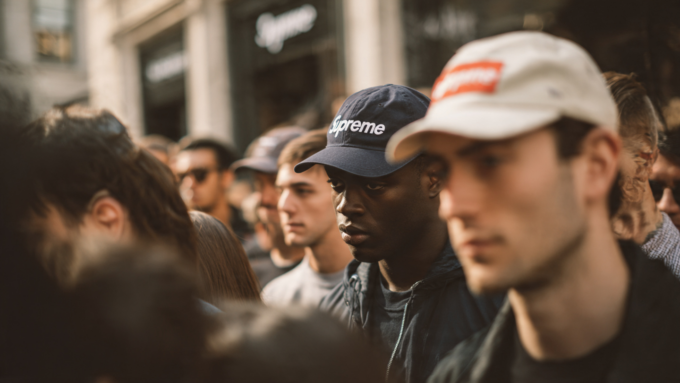
Streetwear brands like Supreme, Stüssy, Nike, KITH, and Fear of God Essentials have turned releases into quiet markers in the week. People don’t stop what they’re doing; they pause briefly. A glance at the phone. A moment of waiting. Then life moves on.
For renters, this rhythm feels familiar. Temporary living often lacks long-term anchors. Small, repeatable moments—weekly patterns, short anticipations—start to matter more. Brand releases offer a soft structure without demanding commitment.
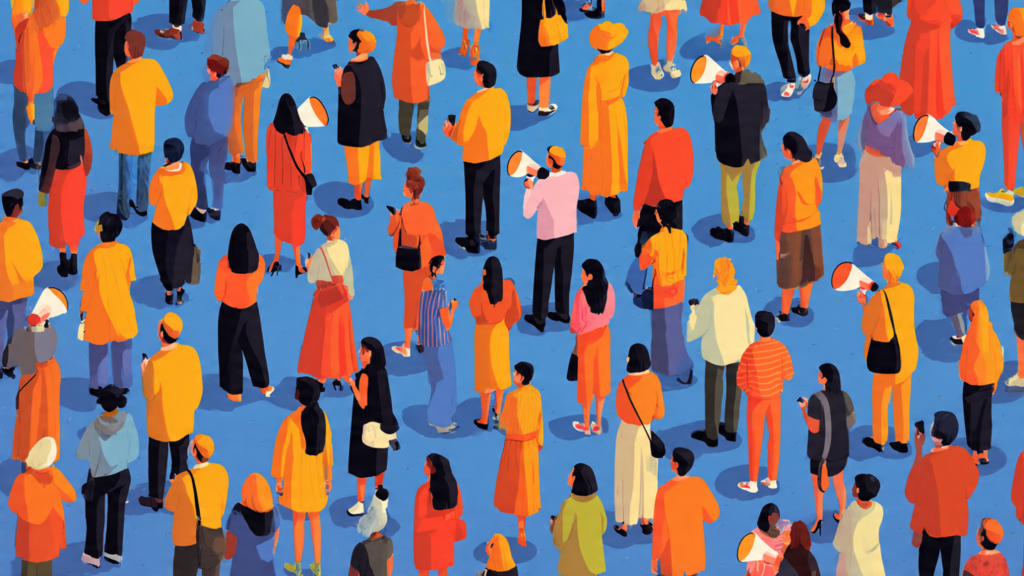
People follow release culture because it gives days a subtle sense of shape, without asking them to change anything else.
It Turns Products Into Moments, Not Just Objects
In brand release culture, what people remember isn’t always what they bought—it’s when they tried. The hoodie tied to a Thursday afternoon. The sneakers connected to a quiet morning. The tee that dropped during a week that already felt full.
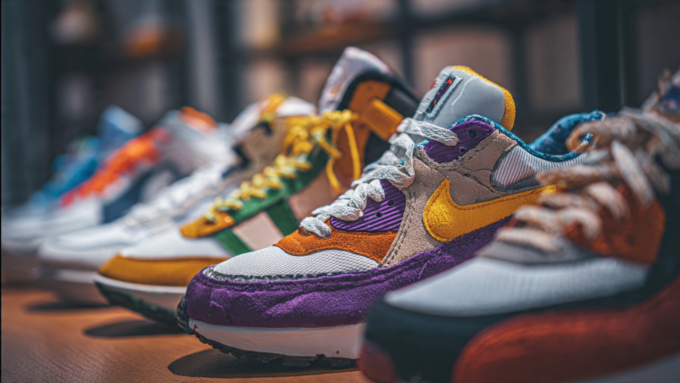
Brands like Nike SNKRS, Adidas Originals, and Supreme understand this well. The release window is narrow, and that brevity ties the product to a specific moment in time.
For renters, this feels intuitive. When permanence isn’t guaranteed, moments take on more meaning than ownership. An item becomes a reminder of where you were emotionally or physically, not just something you own.
People follow brand releases because they like collecting moments as much as objects.
Participation Feels Meaningful Even Without Winning
One of the least obvious reasons people stay engaged with brand release culture is that success isn’t required. Showing up counts. Trying counts. Even missing out becomes part of the story.
Refreshing a page. Waiting. Feeling a brief disappointment. Talking about it afterward. Brands like Supreme and Nike have normalized this experience so completely that participation itself feels valuable.
For renters, this resonates quietly. You invest effort into places, routines, and setups knowing they’re temporary. Not everything works out, but the act of trying still matters.
Release culture mirrors that emotional logic. Being present during the moment is enough to feel included.
It Creates a Sense of Shared Timing
Brand releases happen everywhere at once. Different cities, different rooms, different lives—yet the same moment is shared. People refresh at the same time, react at the same time, move on at the same time.
That shared timing creates a soft sense of connection. You don’t have to know anyone else participating to feel part of something collective.
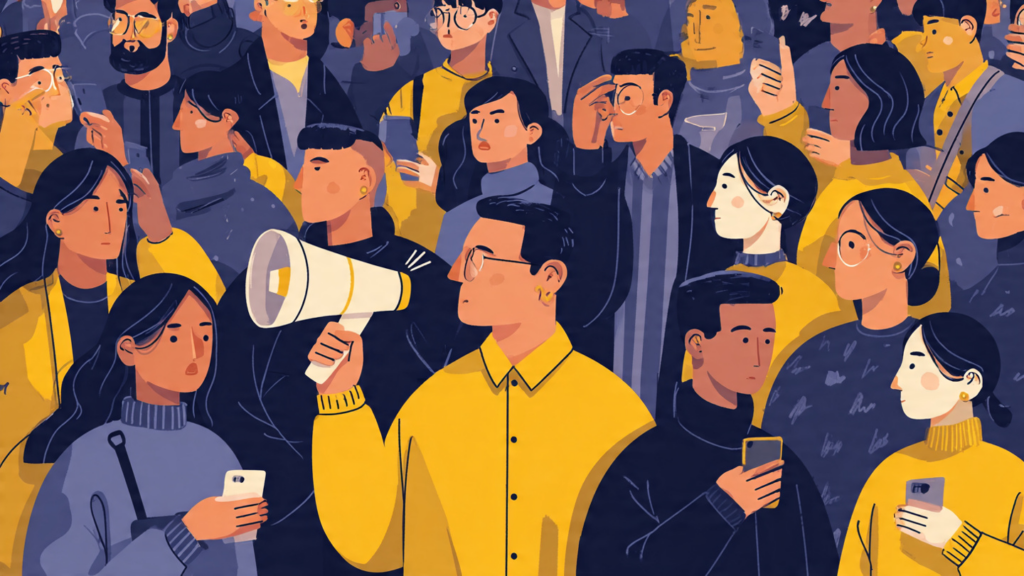
For renters, especially in cities or shared housing, this feeling of alignment feels comforting. Life often happens alongside strangers. Release culture offers a brief moment where many people are doing the same small thing at once.
People follow brand release culture because it offers connection without conversation.
Brand release culture lasts not because of hype alone, but because it fits neatly into how people already live. It respects routine, values presence, and turns brief moments into something memorable.
It doesn’t ask people to hold on tightly. It asks them to show up, then lets the moment pass.
AI Insight:
Many people realize they follow brand release culture less for what they get and more for how those brief moments quietly stand out from the rest of the week.