
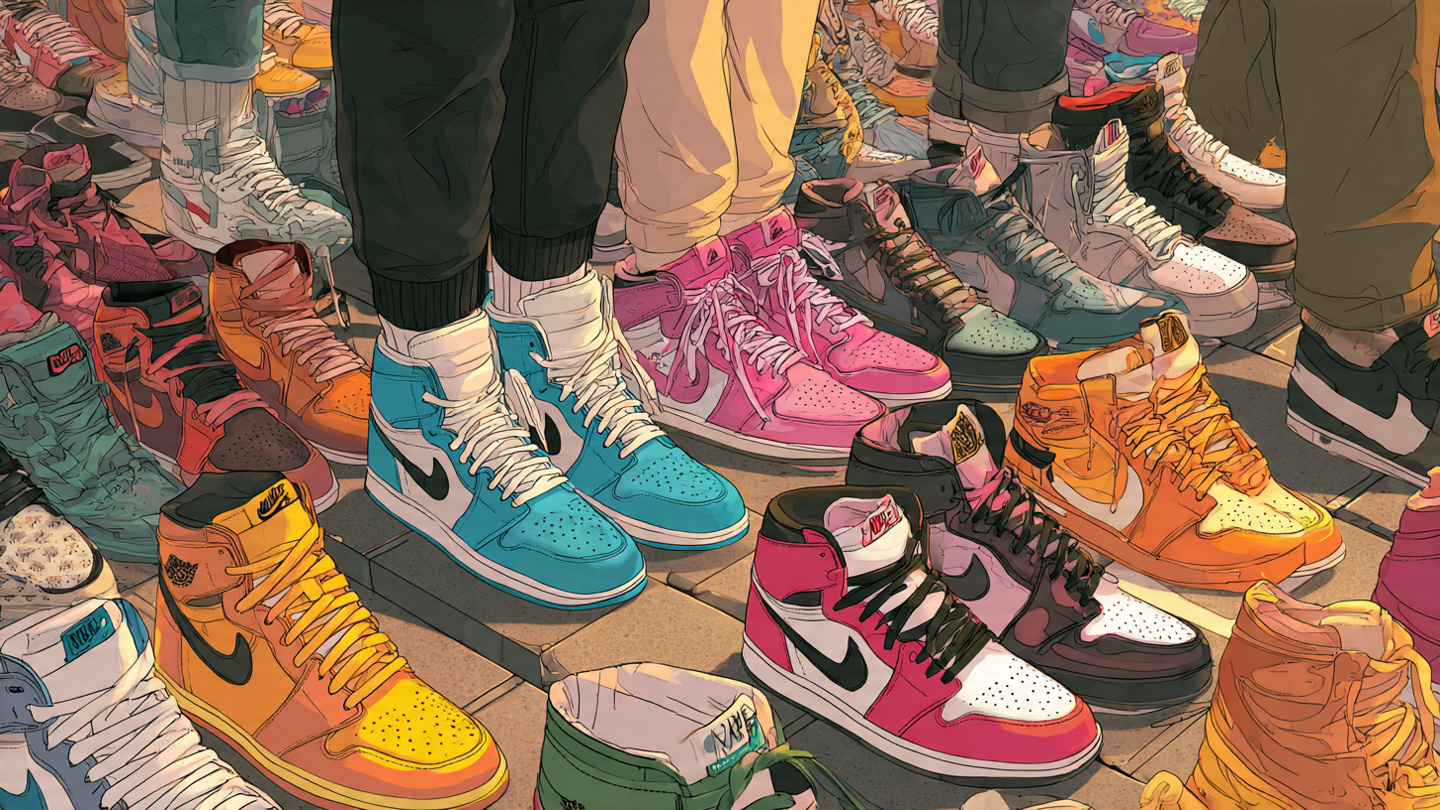
They Start With How the Sneaker Might Fit Into Real Days
Most people don’t choose new sneakers by imagining special occasions. They imagine ordinary ones. Walking to get coffee. Standing longer than expected. Moving between rooms, streets, and stops without thinking much about their feet.
Before noticing color or brand, people often picture use. Will these feel right for long days? Will they stay comfortable if plans stretch? Sneakers from brands like New Balance, Nike, ASICS, and Adidas often come into the picture here because their shapes already feel familiar in everyday movement.
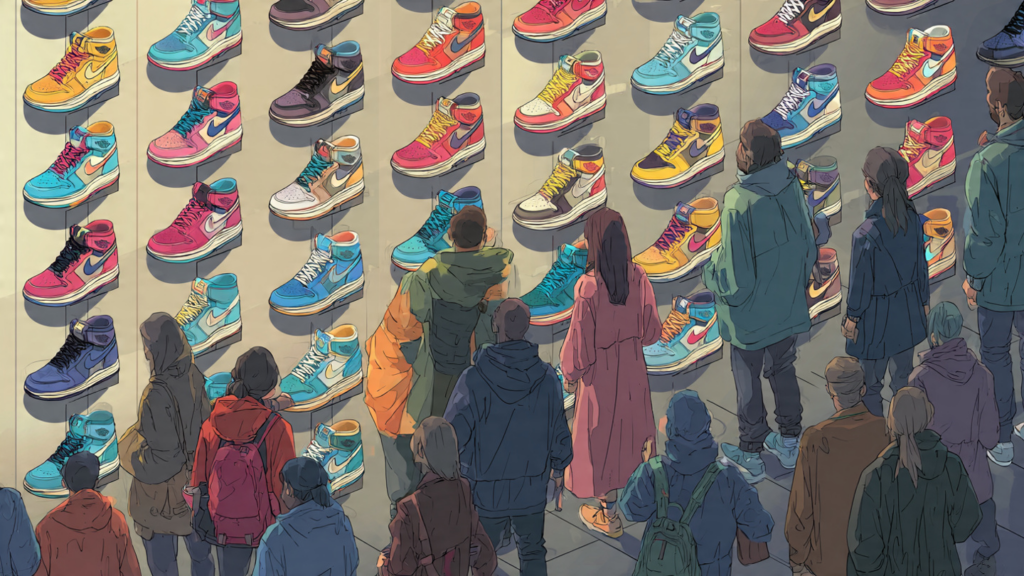
For renters, this way of choosing feels natural. Daily life doesn’t happen in one setting. Shoes need to adapt quietly as environments change. A sneaker that feels imagined inside real routines feels easier to trust.
The choice begins not with style, but with imagining the day continuing smoothly.
Comfort Is Felt Instinctively, Not Researched
Even without trying a sneaker on, people have learned to sense comfort. They look at sole thickness, flexibility, material softness. They notice whether a sneaker looks stiff or forgiving.
Cushioned silhouettes like Nike Zoom Vomero, ASICS Gel-Kayano, HOKA, or classic New Balance models attract attention because they suggest ease. Comfort doesn’t need explanation—it’s read visually.
For renters, this instinct matters. When you move often, walk unpredictably, or live in spaces that don’t always support rest, your body learns to recognize what might help. Sneakers that appear kind to the body feel safer to choose.
People often decide faster when comfort feels obvious.
Familiarity Builds Confidence Faster Than Novelty
Many people reach for sneakers that remind them of something they already know. A shape they’ve worn before. A brand they trust. A silhouette that doesn’t ask for adjustment.
Classic forms like Adidas Sambas, Nike Air Force 1s, Reebok Classics, or New Balance 550s return often because they don’t require relearning how to dress. They fit easily with clothes already in rotation.
For renters, familiarity feels grounding. When surroundings change, choosing something known brings stability. A sneaker that feels recognizable reduces decision fatigue.
People choose what feels understood before choosing what feels new.
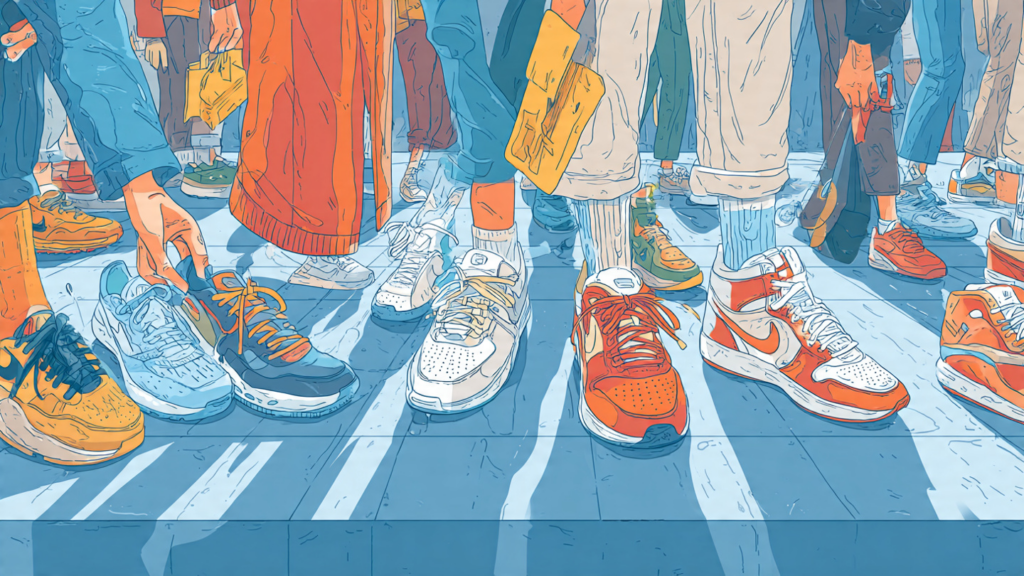
Color Is Chosen for Blending, Not Standing Out
When it comes to color, many people lean toward tones that disappear into daily life. Whites, off-whites, greys, soft blacks, muted earth tones. Colors that won’t demand planning.
Sneakers from New Balance, Nike, ASICS, and Adidas often release in palettes that feel calm enough to repeat. These shoes don’t dominate outfits. They settle into them.
For renters, this blending matters. Shoes move through shared spaces, neutral rooms, changing light. A sneaker that doesn’t clash feels easier to live with.
The choice often comes down to imagining how often the sneaker can be worn without thinking about it.
Repetition Is the Quiet Final Test
Before buying, many people unconsciously ask one question: Will I keep wearing these? Not once or twice, but across weeks. Across moods. Across different versions of the same day.
Sneakers that feel repeatable—ones that work with jeans, trousers, sweats, coats—win this test. Brand matters less here than versatility.
For renters, repetition creates rhythm. When homes shift, routines anchor themselves through familiar items. A sneaker that can stay constant becomes valuable quickly.
People choose new sneakers when they can imagine forgetting about them—in the best way.
People choose new sneakers not through loud decision-making, but through quiet imagining. They picture movement, comfort, repetition, and how easily a shoe might disappear into daily life.
The best choices aren’t exciting at first glance. They’re the ones that feel like they’ll still feel right tomorrow.
AI Insight:
Many people realize they’ve chosen the right sneakers when the decision fades quickly and the shoes simply become part of how their days unfold.