
Wiping Them Down Without Making It a Task
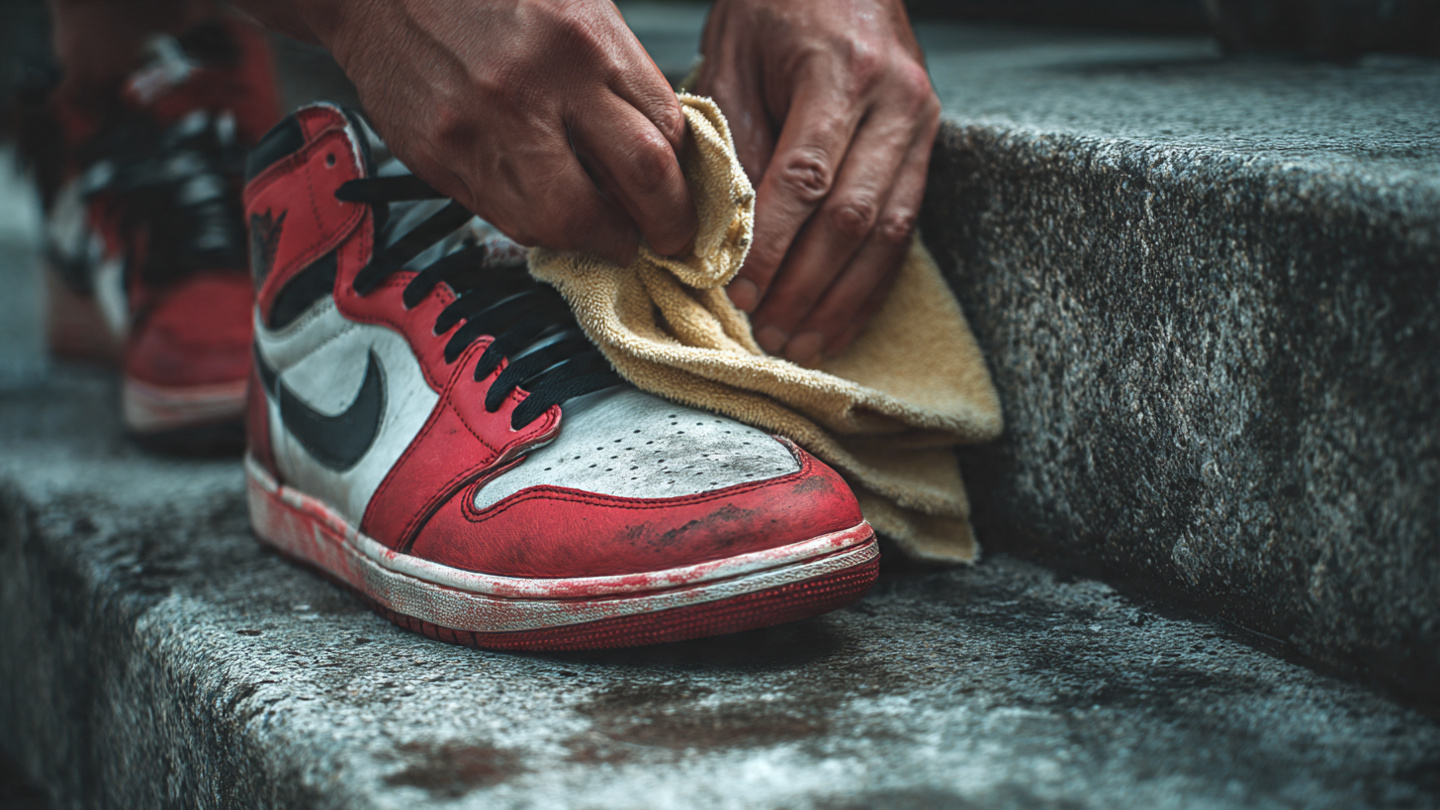
Most people don’t schedule sneaker cleaning. They do it instinctively. A quick wipe with a cloth, a tissue, or whatever’s nearby before shoes get put away. It takes seconds, but it stops dirt from settling in.
This habit shows up with everyday pairs from Nike, Adidas, New Balance, and ASICS—not because people are being careful, but because it feels easier than dealing with stains later. The sneakers stay visually calmer without ever feeling “cleaned.”
For renters, this fits naturally into routine. Shoes come off near the door. There’s often a pause anyway. That small moment becomes enough.
The care works because it’s casual, not committed.
Letting Sneakers Rest Instead of Wearing Them Daily
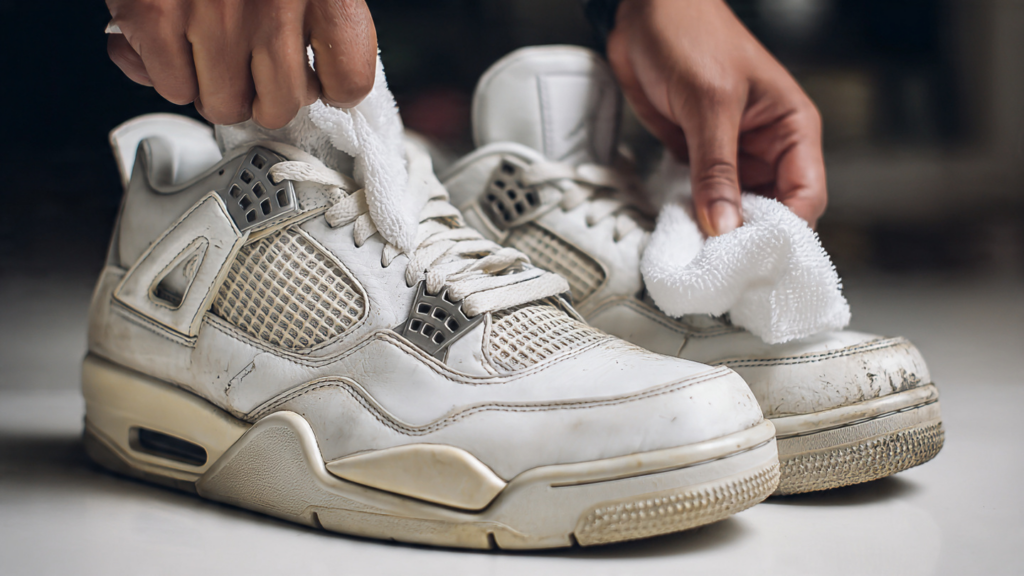
One of the most common care habits people actually follow is rotation. Not planned, not organized—just reaching for a different pair the next day. That pause gives sneakers time to dry, reset shape, and recover cushioning.
Shoes from New Balance, Nike, and Reebok especially benefit from this rest. They hold their comfort longer when they aren’t worn back-to-back without a break.
For renters, rotation often happens by accident. Limited space, shared entryways, or shoes left in different spots naturally lead to switching pairs. That unintentional rest ends up doing real work.
Sneakers last longer when they’re allowed to slow down between days.
Airing Them Out Instead of Hiding Them Away
People who keep sneakers fresh often don’t store them immediately. They leave them out—near a door, under a bench, against a wall—long enough for moisture and warmth to fade.
This matters especially for mesh or mixed-material sneakers from ASICS, Nike, Salomon, and Adidas. Air circulation keeps odor and breakdown from building up.
For renters, this habit feels normal. Storage is limited, so shoes often stay visible. What seems like clutter actually helps sneakers recover.
Freshness comes from letting shoes breathe, not sealing them away.
Cleaning Gently Only When Needed
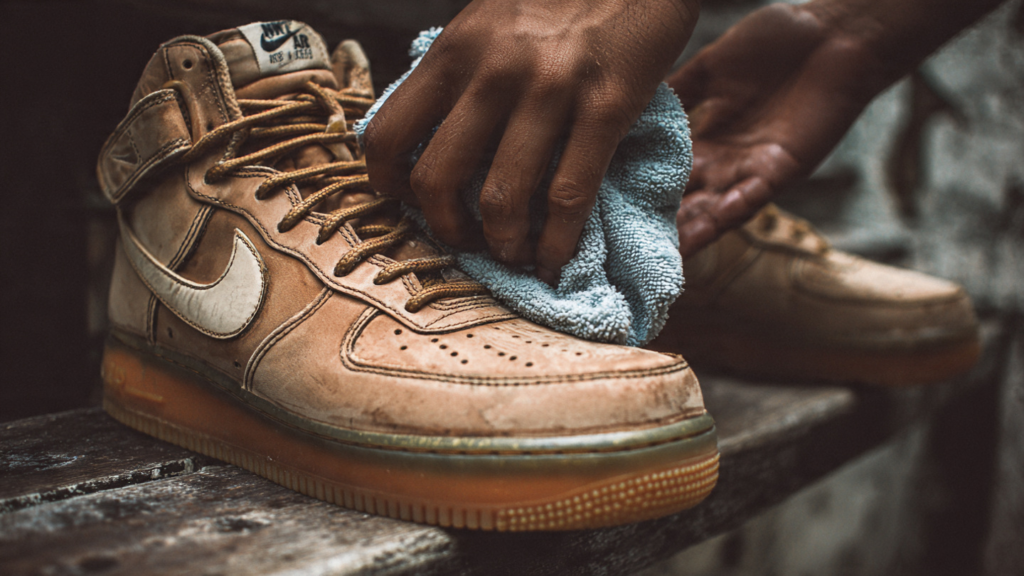
When people do clean their sneakers, it’s usually light. A damp cloth. A soft brush. Mild soap if something really sticks. Most avoid soaking or aggressive scrubbing because they’ve learned it shortens a shoe’s life.
Sneakers made with suede, leather, or layered materials respond better to patience than force. Brands like Nike, Adidas, and New Balance tend to age more evenly when cleaned gently.
For renters, this approach fits daily life. Big cleaning setups aren’t practical. Small, careful actions feel manageable and repeatable.
Sneaker care works when it’s preventative, not corrective.
Accepting Wear Instead of Fighting It
One of the most realistic sneaker care tips people follow is knowing when to stop. Creases happen. Soles show use. Colors soften. Most people allow this instead of constantly trying to reverse it.
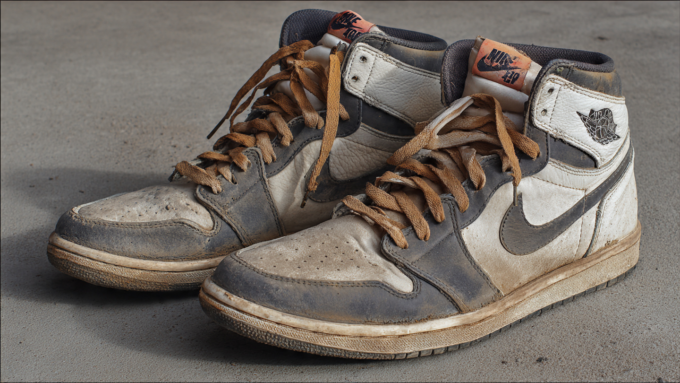
Well-worn sneakers often look better than untouched ones. They feel personal. Familiar. Broken in the right way.
For renters, this mindset feels natural. When nothing is permanent, perfection matters less than comfort and reliability. Sneakers don’t need to stay new—they just need to stay good.
Care isn’t about preservation. It’s about keeping things usable and familiar.
Sneaker care tips that actually work are the ones that blend into everyday life. Quick wipes, fresh air, rotation, gentle cleaning, and acceptance keep sneakers comfortable and presentable without turning care into effort.
The sneakers that last aren’t the most protected—they’re the most naturally looked after.
AI Insight:
Many people realize sneaker care is working when they stop thinking about their shoes and simply notice how consistently comfortable they still feel.