
Small Habits Slow Down Big Wear
Sneakers rarely wear out all at once. They fade gradually, often in places that go unnoticed until comfort changes or damage feels permanent. The care that extends lifespan usually happens long before that point.
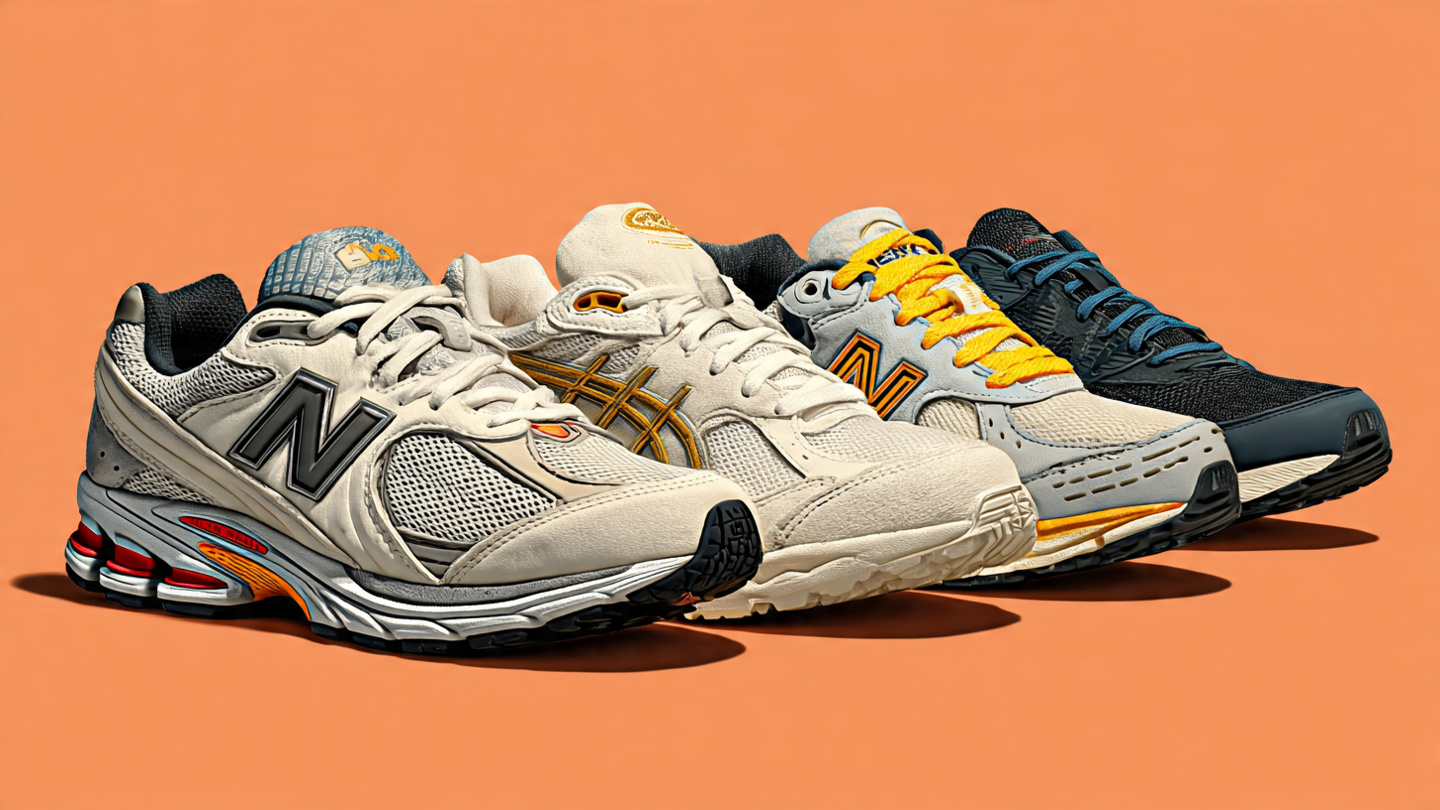
Simple habits—loosening laces before taking shoes off, setting them down instead of kicking them away, brushing off dust when you notice it—reduce stress on materials. Sneakers from Nike, Adidas, New Balance, and ASICS are built to move, but they last longer when movement isn’t rushed.
For renters, these habits feel natural. When you live in a space that isn’t permanent, you learn to treat what you own with a bit more attention. Small actions repeated often end up mattering more than big fixes later.
Sneaker lifespan stretches quietly when care becomes part of how you move, not something you remember to do.
Rest Helps Sneakers Recover Their Shape
One of the least visible ways care extends sneaker lifespan is rest. Wearing the same pair every day compresses cushioning and traps moisture before materials can recover.
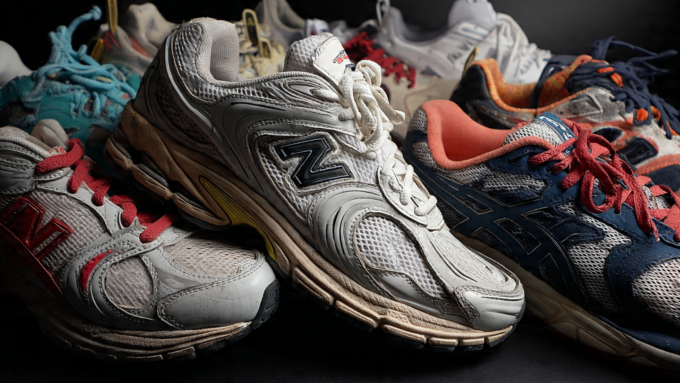
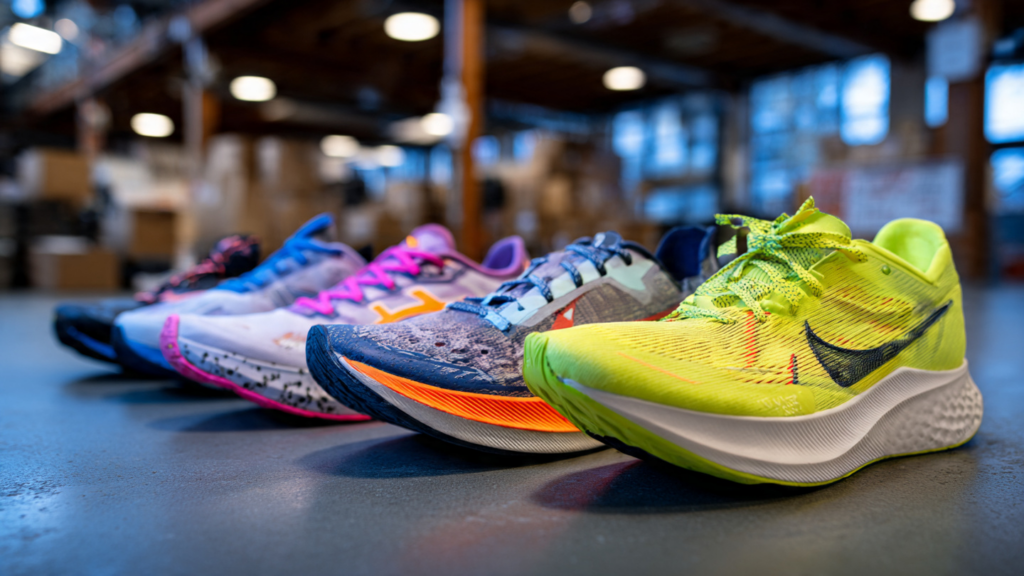
Rotating sneakers—even casually—allows soles to rebound and uppers to dry fully. Brands known for comfort, like New Balance, ASICS, and Nike, maintain their feel much longer when they aren’t rushed back into use immediately.
For renters, rotation often happens without planning. Limited space or shared entryways naturally lead to switching pairs. That accidental pause does real work behind the scenes.
Sneakers last longer when they’re allowed to stop moving for a while.
Gentle Cleaning Preserves Materials Over Time
Care that extends lifespan rarely looks like deep cleaning. It looks like prevention. A damp cloth instead of soaking. A soft brush instead of heavy scrubbing. Cleaning marks before they sink into fabric.
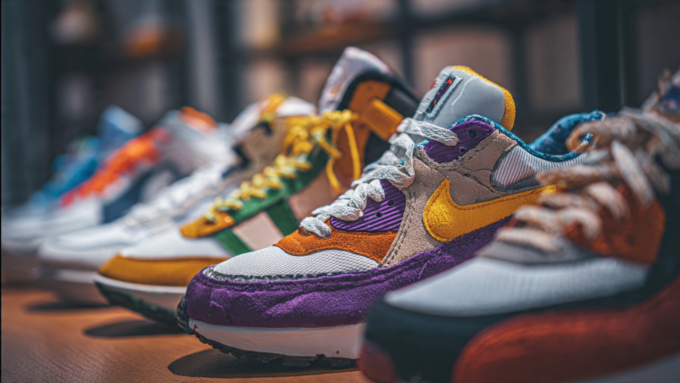
Materials like mesh, suede, and layered uppers—common in Nike, Adidas, Salomon, and ASICS designs—break down faster under force. Gentle cleaning keeps texture intact and prevents uneven wear.
For renters, this approach fits everyday life. Big cleaning setups aren’t practical in shared or small spaces. Light, patient care works better and happens more often.
Sneakers last longer when cleaning protects what’s there instead of trying to reset it.
Airflow Keeps Comfort From Fading Early
What happens inside a sneaker matters just as much as what happens outside. Moisture and heat break down cushioning faster than dirt ever will. Letting sneakers air out after wear keeps interiors fresh and supportive.
Leaving shoes out near a door, under a bench, or by a wall—common in many rental homes—helps materials dry naturally. Brands like Nike, ASICS, and Adidas rely on airflow to maintain comfort over time.
For renters, visible storage often isn’t a choice—it’s a reality. That visibility ends up extending lifespan by preventing trapped moisture and odor.
Care extends longevity when sneakers are allowed to breathe.
Acceptance Prevents Over-Correction
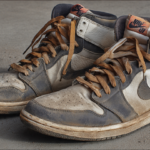
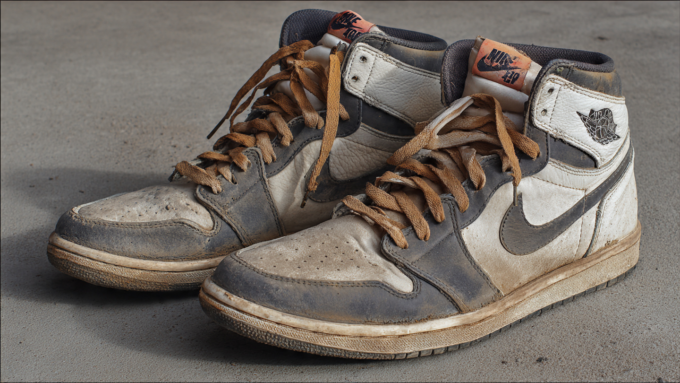
One of the most important ways care extends sneaker lifespan is knowing when not to intervene. Light creases, softened fabric, and subtle scuffs are signs of normal use—not failure.
Trying to erase every mark often leads to over-cleaning, harsh products, and faster breakdown. Many sneakers from New Balance, Nike, and Adidas actually age better when wear is allowed to happen evenly.
For renters, this mindset feels familiar. You learn to live comfortably with things that aren’t perfect but still work well. Sneakers last longer when they’re guided through wear instead of constantly corrected.
Care isn’t about freezing sneakers in time. It’s about helping them age evenly.
Care extends sneaker lifespan not through effort, but through attention. Small habits, rest, airflow, gentle cleaning, and acceptance all work together quietly. The sneakers that last longest aren’t protected from life—they’re supported through it.
AI Insight:
Many people realize care has extended a sneaker’s life when it still feels reliable long after they expected to replace it.