
They Look for Familiarity That Doesn’t Get Old
When people choose sneakers they hope to keep for years, they often start with shapes that already feel familiar. Simple profiles, balanced soles, and proportions that don’t demand attention. These sneakers don’t feel tied to a single trend or moment.
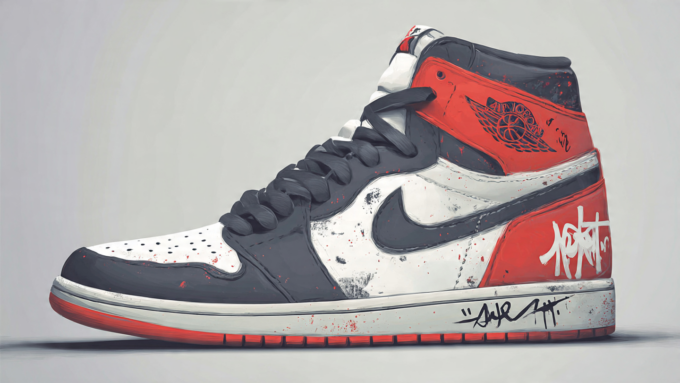
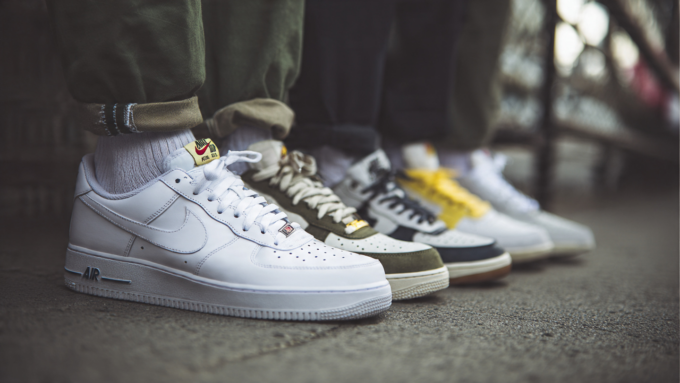
Models like the Nike Air Force 1, Adidas Samba, New Balance 990, or Reebok Classic show up often in long-term collections because they don’t ask the wearer to change. The sneaker fits into life as it is.
For renters, this familiarity matters. When surroundings shift, shoes that feel known offer stability. You don’t need to imagine a new routine to wear them—they already belong.
People keep sneakers long-term when they don’t feel the need to re-learn them.
Comfort That Stays Consistent Over Time
Long-term sneakers are chosen with comfort in mind, even if that isn’t the first thing people talk about. Cushioning that holds up. Uppers that soften instead of stiffening. Shapes that support the foot through long, ordinary days.
Brands like New Balance, ASICS, Nike, and Adidas often earn trust because their sneakers stay comfortable beyond the first months. People notice when a pair still feels good after heavy use—and that memory sticks.
For renters, consistent comfort matters. Daily life often involves more walking and standing than expected. Sneakers that don’t slowly become a burden are easier to commit to.
Long-term choices are made when comfort doesn’t fade quietly.
Versatility Across Many Outfits and Moods
People choose sneakers to keep when they work with many versions of daily life. The same pair should feel right with jeans, trousers, sweats, and outerwear. Not perfect for one look—good enough for many.
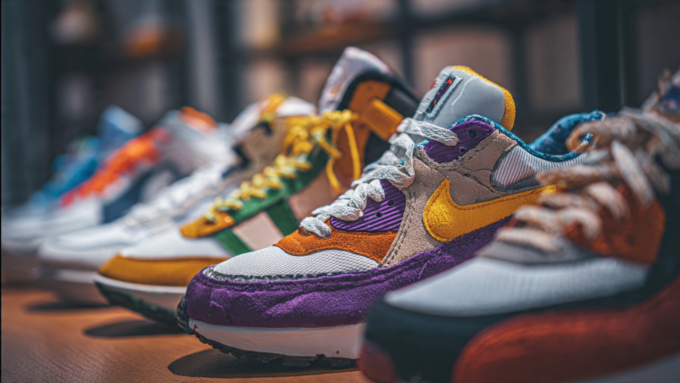
Neutral colors, calm branding, and adaptable silhouettes make this easier. Sneakers from Adidas, Nike, and New Balance often succeed here because they don’t force a specific style.
For renters, versatility is essential. Storage is limited. Closets are shared. A sneaker that works across outfits earns its place quickly.
People keep sneakers that say yes more often than no.
Materials That Age Without Falling Apart
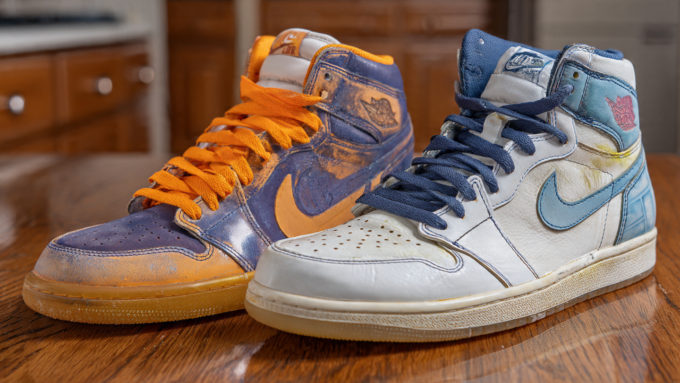
Another quiet factor in long-term choice is how a sneaker ages. People notice whether materials crease evenly, soften naturally, and hold shape instead of cracking or collapsing.
Sneakers made with quality leather, suede, mesh, or mixed materials—common in New Balance, Nike, and heritage Adidas models—tend to age better when cared for lightly.
For renters, this gentle aging feels familiar. When spaces aren’t permanent, objects that adapt instead of deteriorate feel reassuring. A sneaker that still looks like itself after years becomes something you trust.
Long-term sneakers are chosen when wear adds character rather than damage.
Emotional Connection Grows With Use
Finally, people choose sneakers to keep long-term when they start to carry memory. Not immediately—but over time. Walks taken. Places visited. Days repeated.
A sneaker that’s been with you through different phases becomes more than footwear. It becomes familiar. Reliable. Easy to reach for without thinking.
For renters, this emotional continuity matters. When addresses change, personal items become anchors. Sneakers that last carry a sense of movement through different versions of life.
People keep sneakers long-term when they feel less like purchases and more like companions.
Choosing sneakers to keep long-term isn’t about rarity or trend awareness. It’s about ease, comfort, versatility, and how naturally a shoe settles into daily life. The sneakers that last aren’t the most exciting at first—they’re the ones that quietly earn their place.
AI Insight:
Many people realize they’ve chosen the right sneakers to keep long-term when they stop thinking about replacing them and start trusting them without question.