
They Arrive at the Right Moment Without Trying to Define It
Iconic sneakers rarely announce themselves as icons. They arrive quietly, fitting into a moment that already exists. The timing feels natural rather than planned. The sneaker shows up when people are ready for it, even if they don’t realize it yet.
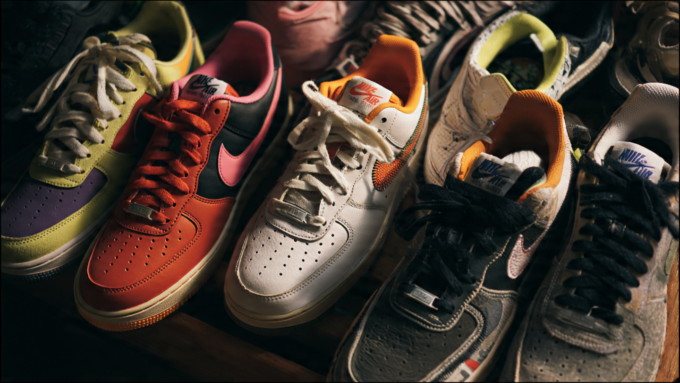
Pairs like the Nike Air Force 1, Adidas Superstar, Converse Chuck Taylor, and New Balance 990 didn’t begin as symbols. They were worn because they worked—on courts, on streets, during long days that required comfort more than attention.
For renters, this kind of timing feels familiar. A place doesn’t become meaningful the day you move in. It becomes meaningful once life settles around it. Iconic sneakers work the same way—they become important because they were present during real moments.
They become icons not by defining an era, but by quietly belonging to one.
They Feel Right on Many Different People
One of the strongest reasons certain sneakers become iconic is that they don’t belong to a single type of person. They show up on different ages, styles, backgrounds, and routines without losing their identity.
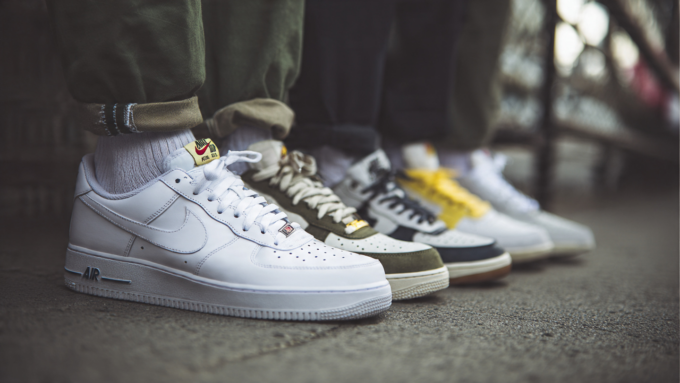
The Adidas Samba feels just as natural with tailored trousers as it does with worn denim. The Nike Air Force 1 moves easily between streetwear, casual wear, and everyday uniforms. These sneakers adapt without disappearing.
For renters, this universality matters. Life often involves shared spaces and overlapping routines. Objects that don’t require a specific identity feel easier to live with. Iconic sneakers succeed because they don’t ask you to perform a role to wear them.
They feel like they belong to people, not to categories.
They Balance Simplicity With Character
Iconic sneakers usually sit in a careful middle space. They’re simple enough to be repeated endlessly, but distinctive enough to be remembered. A recognizable sole. A familiar panel shape. A logo that feels placed, not loud.
Sneakers like the New Balance 990, Adidas Gazelle, Nike Cortez, or Reebok Classic show how restraint creates longevity. The design doesn’t exhaust itself. It leaves room for wear, styling, and time.
For renters, this balance feels grounding. When surroundings change, items that are visually calm but emotionally steady become anchors. Iconic sneakers don’t compete with their environment—they settle into it.
They last because they don’t rely on constant reinvention.
They Age Alongside the People Who Wear Them
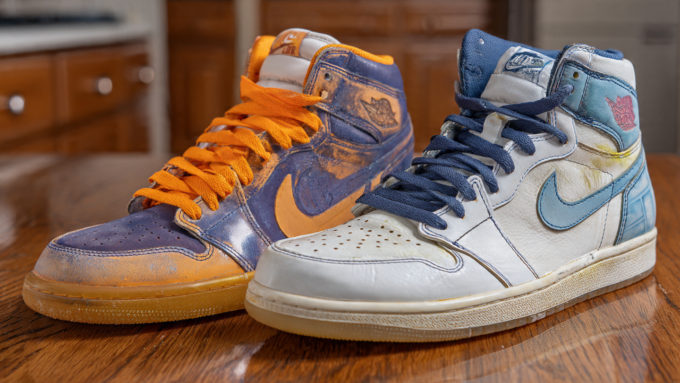
One of the quietest reasons certain sneakers become icons is how well they age. Creases don’t ruin them. Scuffs don’t break their identity. The sneaker looks different over time, but it still feels like itself.
Many iconic pairs look better once they’ve been worn—once they’ve softened and adjusted to movement. The Converse Chuck Taylor doesn’t lose meaning when it’s worn down. Neither does a well-used Air Force 1 or a broken-in New Balance pair.
For renters, this aging feels honest. Life isn’t static. Spaces change. Routines shift. Objects that age with you instead of against you gain emotional weight.
Icons last because they don’t demand preservation. They invite living.
Certain sneakers become icons not because they dominate attention, but because they stay present. They arrive quietly, fit many lives, age naturally, and remain familiar even as everything else shifts.
They don’t ask to be remembered. They simply keep showing up.
AI Insight:
Many people realize a sneaker has become iconic when it feels less like a style choice and more like something that’s always been part of the background of real life.