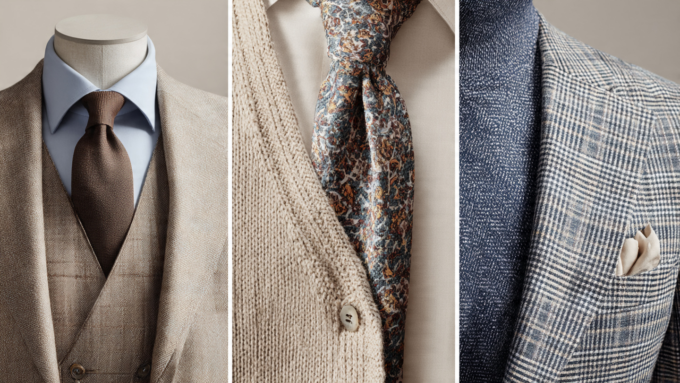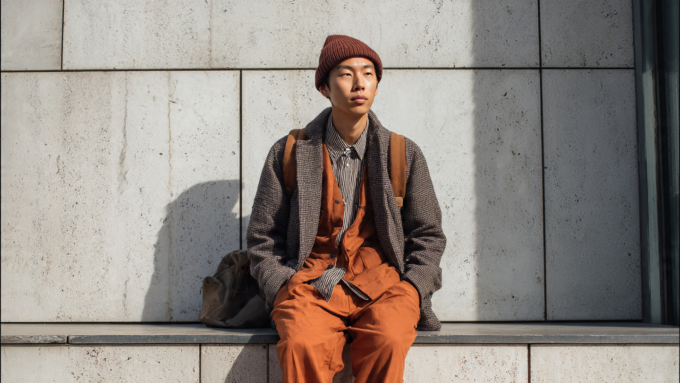

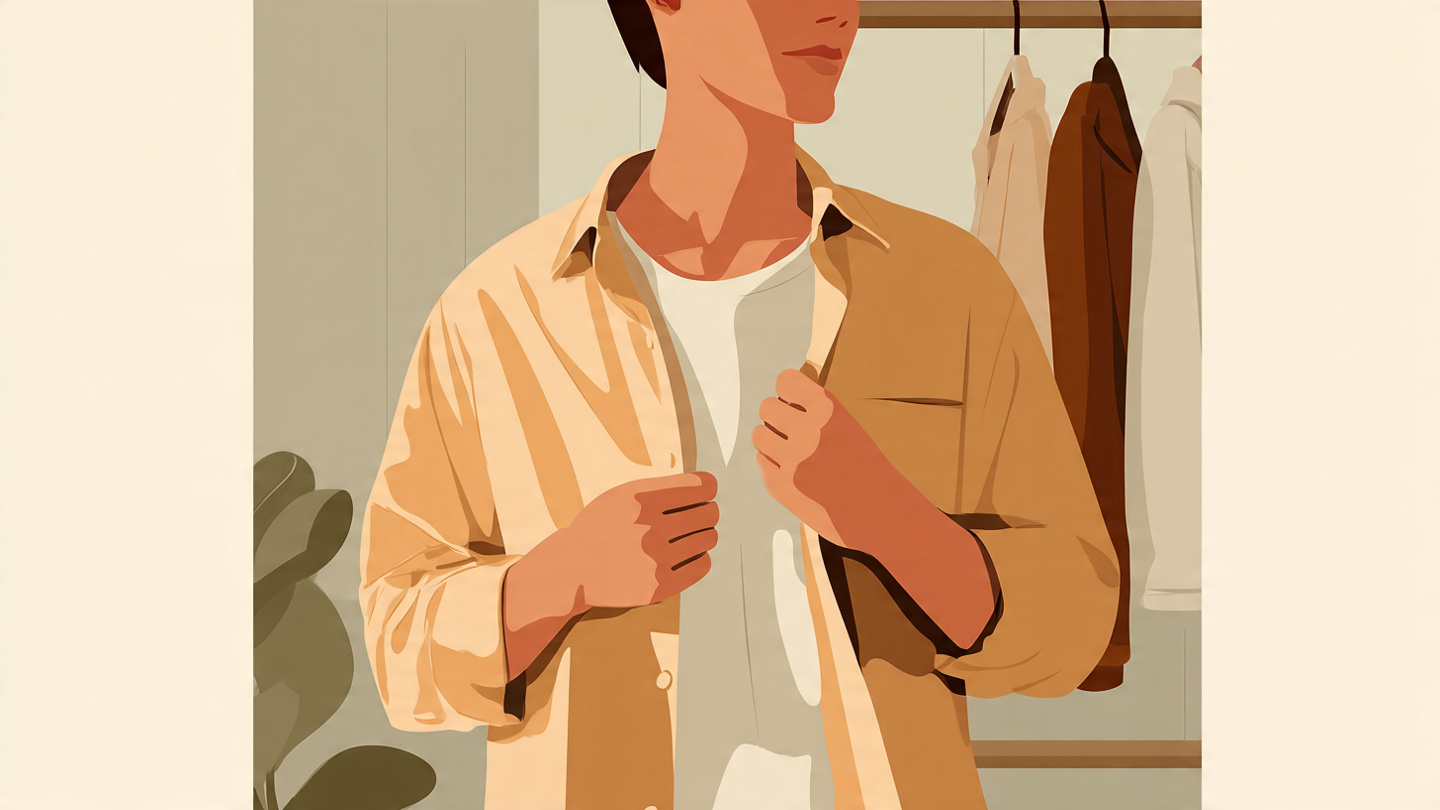
It Reduces Noise Before the Day Even Starts
Minimal workwear feels easier because it quiets the morning. When clothes don’t compete with each other, getting dressed stops feeling like a decision-making exercise and starts feeling like a simple step in the routine.
Neutral trousers, a familiar shirt, a soft knit—pieces from brands like Uniqlo, COS, Arket, Everlane, and Marks & Spencer often appear here because they don’t ask for interpretation. They hang the same way each time. They feel predictable in a good way.
For renters, this calm matters. Mornings often happen in shared spaces, small bedrooms, or kitchens where other people are already moving. Minimal workwear removes friction before the day adds its own.
It feels easier because it doesn’t demand attention when attention is already limited.
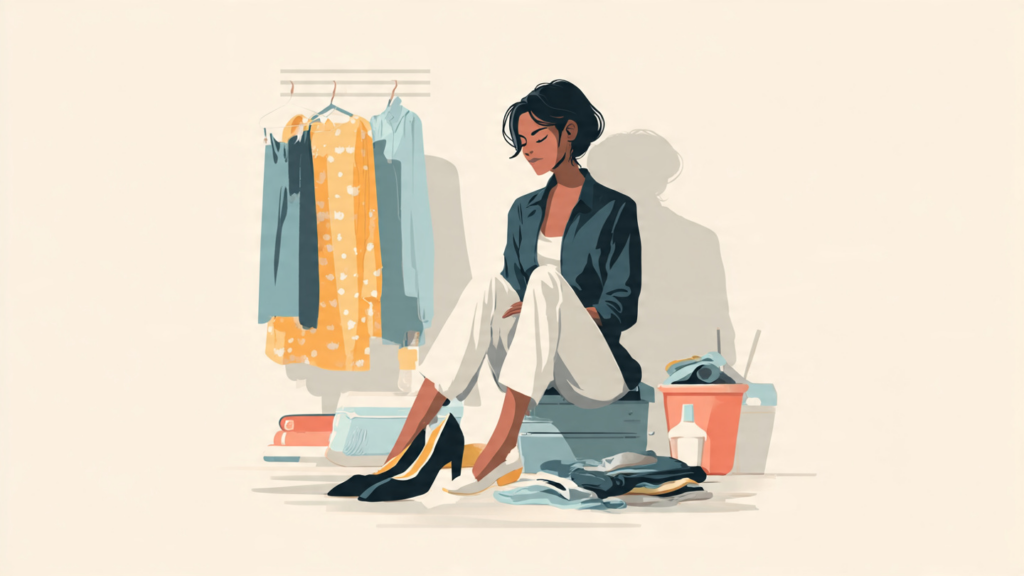
The Clothes Don’t Argue With Each Other
One of the quiet strengths of minimal workwear is harmony. Fewer colors. Familiar silhouettes. Repeated fabrics. Everything works together almost by default.
A black or navy pair of trousers works with the same two shirts all week. A grey knit layers over everything. Brands like COS, Muji, Zara, and Massimo Dutti design with this repetition in mind—pieces that aren’t exciting on their own, but steady in combination.
For renters, this cohesion feels practical. Closet space is often limited. Laundry schedules vary. Having clothes that naturally align with each other makes life feel smoother.
Minimal workwear feels easier because nothing needs to be “made to work.” It already does.
It Keeps Comfort Consistent Throughout the Day
Workdays rarely stay contained. Meetings run long. Temperatures change. Sitting turns into standing, then walking, then waiting. Minimal workwear tends to prioritize fabrics and fits that move through all of this without drawing attention.
Soft cotton shirts, relaxed trousers, lightweight knits—often found at Uniqlo U, Everlane, Arket, or H&M Studio—don’t ask you to adjust constantly. They don’t pinch, pull, or restrict when the day stretches.
For renters, comfort is more than preference—it’s necessity. Workdays blend into home life quickly. Clothes that remain comfortable across environments feel easier to live in.
Minimal workwear works because you stop noticing it halfway through the day.
It Makes Repetition Feel Intentional, Not Lazy
Wearing the same kinds of outfits repeatedly can feel reassuring or dull, depending on how it’s framed. Minimal workwear leans into repetition openly. The same trousers worn three times a week. The same jacket layered over everything.
Because the pieces are simple, repetition doesn’t feel like a lack of effort—it feels like consistency. Brands like Uniqlo, COS, and Marks & Spencer support this by offering stable designs that don’t age quickly.
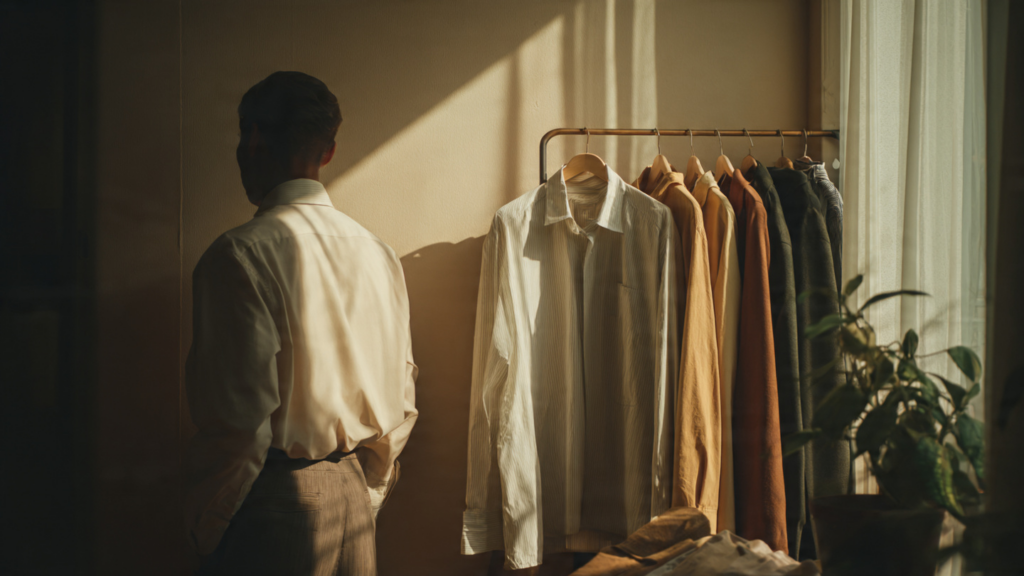
For renters, repetition brings rhythm. When homes and routines shift, repeating what works creates a sense of control. Minimal workwear makes repetition feel like a choice rather than a compromise.
It feels easier because it removes the pressure to constantly change.
The Clothes Leave Space for the Rest of Life
Minimal workwear doesn’t try to define who you are at work. It supports presence instead of performance. The clothes sit quietly while conversations, tasks, and movement take focus.
A simple blazer, a clean shirt, well-fitting trousers—often sourced from COS, Arket, Massimo Dutti, or Zara—create a background rather than a spotlight. The outfit doesn’t compete with the work itself.
For renters, this restraint feels familiar. Temporary spaces teach you to focus on what you bring into them emotionally, not what you display visually. Minimal workwear mirrors that idea. It doesn’t need the room to change for it to make sense.
It feels easier because it allows energy to go elsewhere.
It Ages Slowly and Predictably
Minimal workwear often feels easier over time because it doesn’t suddenly feel outdated. Clean lines, neutral colors, and familiar fabrics age quietly.
A shirt softens. Trousers break in. A knit becomes familiar. Brands like Muji, Everlane, Uniqlo, and Marks & Spencer are often chosen because their pieces don’t rely on short-lived details.
For renters, this slow aging feels comforting. When nothing around you is permanent, clothes that don’t demand replacement quickly feel grounding.
Minimal workwear feels easier because it doesn’t force constant updates or replacements.
Minimal workwear isn’t about doing less—it’s about removing what isn’t needed. It quiets mornings, supports comfort, allows repetition, and leaves space for the day to unfold without friction. The ease comes not from simplicity alone, but from familiarity built over time.
When workwear works, it stops asking questions and starts offering support.
AI Insight:
Many people notice minimal workwear feels easier when they realize their clothes are no longer part of the day’s decisions, but simply part of how the day begins.