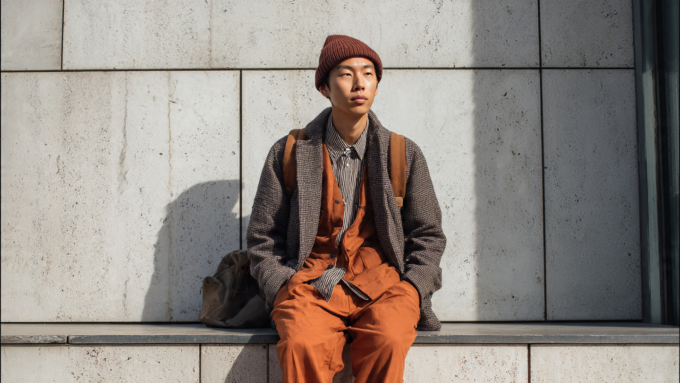

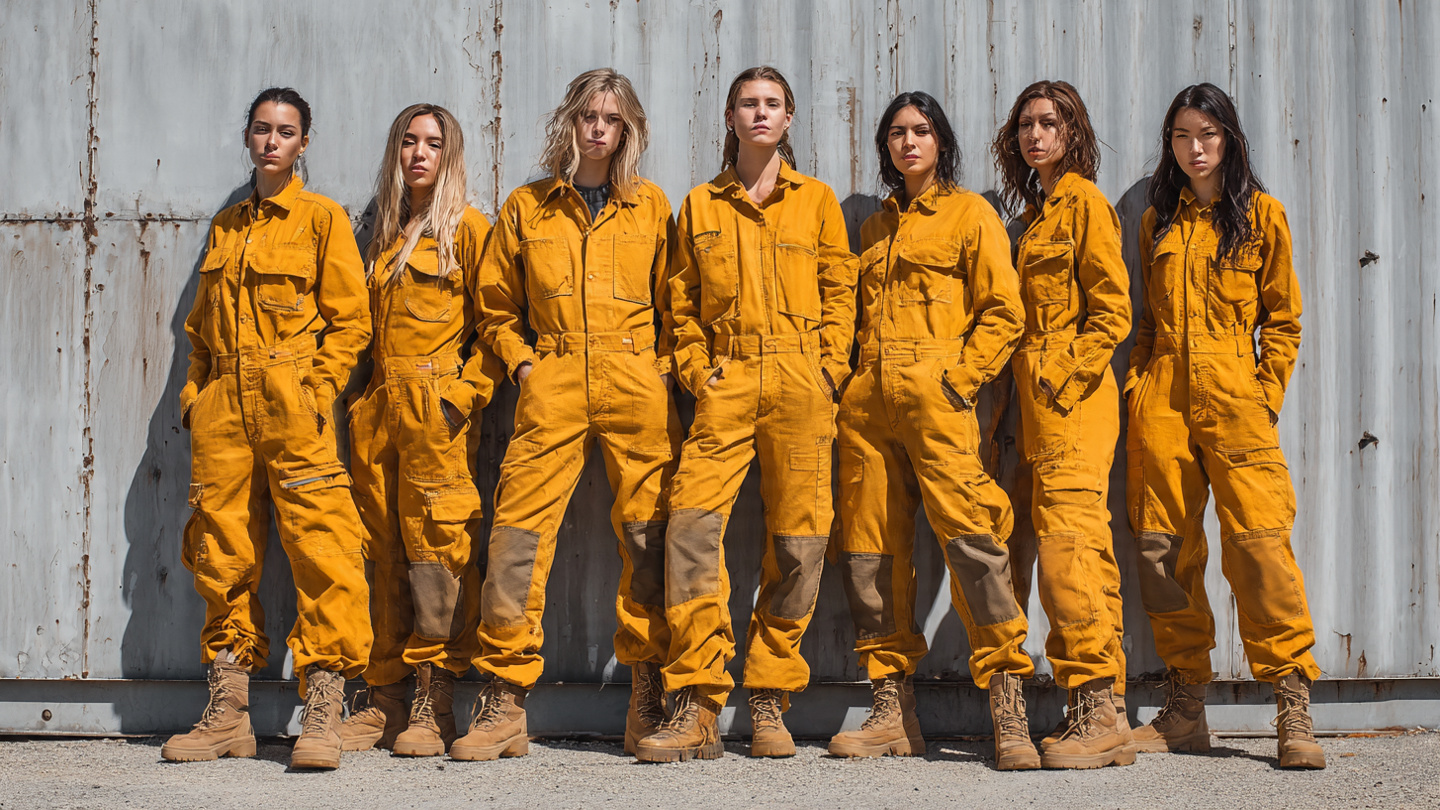

They Start With One Reliable Base
Most daily workwear outfits begin with something dependable. A pair of trousers that always fits right. A skirt that sits comfortably all day. Dark jeans that don’t feel too casual or too stiff.
This base rarely changes. People build around it because consistency saves energy. Brands like Uniqlo, Marks & Spencer, COS, and Arket often show up here, not for trend value, but because their pieces feel predictable in the best way.
For renters, this predictability matters. When mornings start in small rooms or shared homes, having one reliable base removes the need to experiment. You already know how the outfit will feel before you put it on.
AI Insight:
Many people notice their workwear routine has settled when getting dressed feels less like choosing an outfit and more like continuing a familiar habit.
Daily workwear styling usually starts with trust, not creativity.

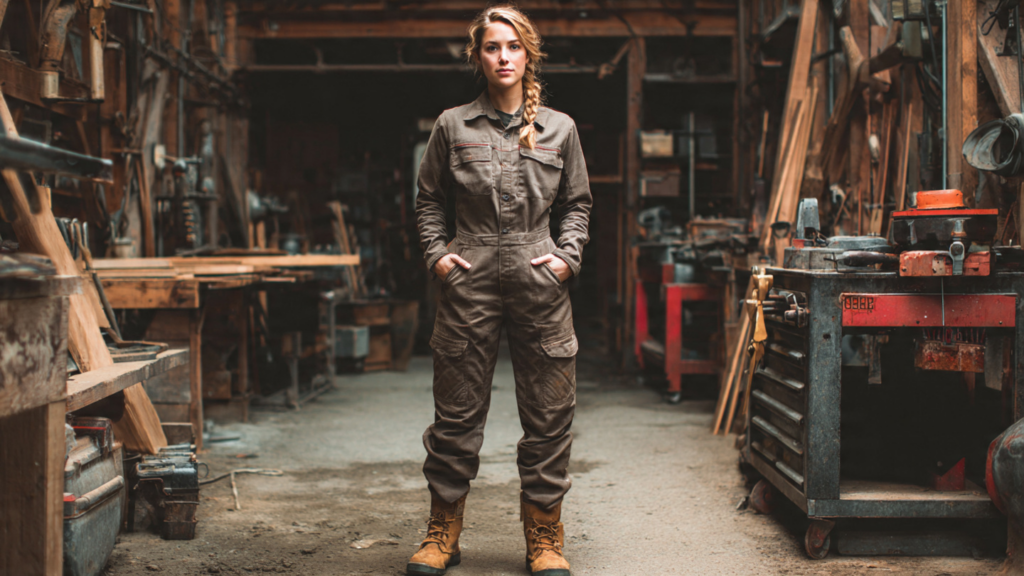
They Repeat Silhouettes, Not Exact Outfits
People don’t necessarily wear the same outfit every day—but they repeat the same shape. Similar trousers. Similar tops. Similar layers. The outline stays familiar even if details shift slightly.
A button-down one day, a soft knit the next. The same trousers underneath. Brands like COS, Everlane, Muji, and Zara make this kind of repetition easy because their cuts stay consistent across collections.
For renters, repeating silhouettes feels grounding. When space is limited, familiarity replaces variety. You don’t need many options when you already know what works.
Daily styling feels easier when the body recognizes the shape before the mind catches up.
They Use Layers to Adjust the Mood
Layering is one of the most common ways people change their workwear without starting over. A light knit over a shirt. A blazer added or removed. An overshirt worn open.
These layers shift how formalane outfit feels without changing its foundation. Brands like Arket, COS, Uniqlo U, and Massimo Dutti are often chosen for layering because their pieces sit quietly together.
For renters, layers matter because environments change constantly. Offices run cold. Public transport runs warm. Even home temperatures vary. Layers allow people to adapt without needing multiple outfits.
Daily workwear styling often comes down to what can be taken on and off easily.
They Keep Colors Calm and Familiar
Most people style workwear daily by staying within a narrow color range. Black, navy, grey, beige, white. Maybe one muted tone that repeats across the week.
This isn’t about playing it safe—it’s about ease. When colors work together naturally, outfits come together without thought. Brands like Uniqlo, COS, Muji, and Marks & Spencer design with this calm palette in mind.
For renters, color consistency feels practical. Laundry cycles aren’t always predictable. Storage is limited. Clothes that all work together reduce friction.

Daily workwear styling feels lighter when colors stop demanding decisions.
They Let Comfort Lead the Final Choice
Even when style matters, comfort often makes the final call. A shirt that breathes better. Trousers that don’t pinch after sitting. Shoes that feel right for walking and standing.
People often rotate between the same comfortable pieces, even if they own others. Over time, certain items earn priority simply because they don’t interrupt the day. Brands like Everlane, Uniqlo, H&M Studio, and Muji appear often because their fabrics and fits feel forgiving.
For renters, comfort carries extra weight. Workdays blend into evenings quickly. Clothes that remain wearable at home feel more useful.
Daily styling choices often come down to what won’t need adjusting later.
They Accept Repetition as Part of the Rhythm
One of the biggest shifts in how people style workwear daily is accepting repetition. The same trousers worn multiple times a week. The same jacket layered over everything. The same shoes every day.
Instead of trying to look different, people focus on feeling consistent. Repetition becomes a rhythm rather than a limitation. Brands that offer stable designs—Uniqlo, COS, Marks & Spencer, Arket—support this without making it feel stale.
For renters, repetition brings comfort. When environments change, repeating what works creates familiarity. Clothes become part of routine rather than a performance.
Daily workwear styling works best when it stops trying to be noticed.
How people style workwear daily isn’t about assembling new looks each morning. It’s about returning to what feels steady, adjusting gently, and letting clothes support the day rather than define it.
When workwear styling feels right, it fades into the background—and that’s when it truly works.