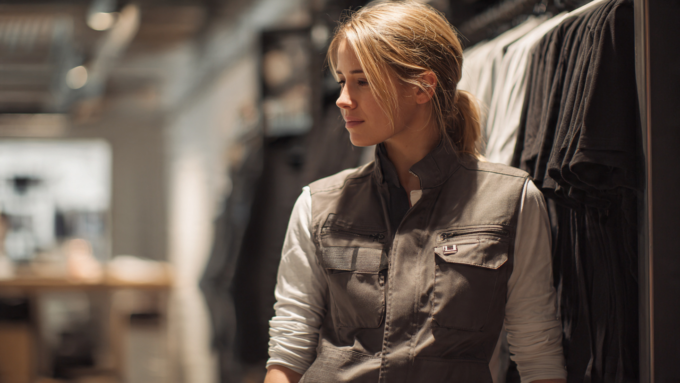

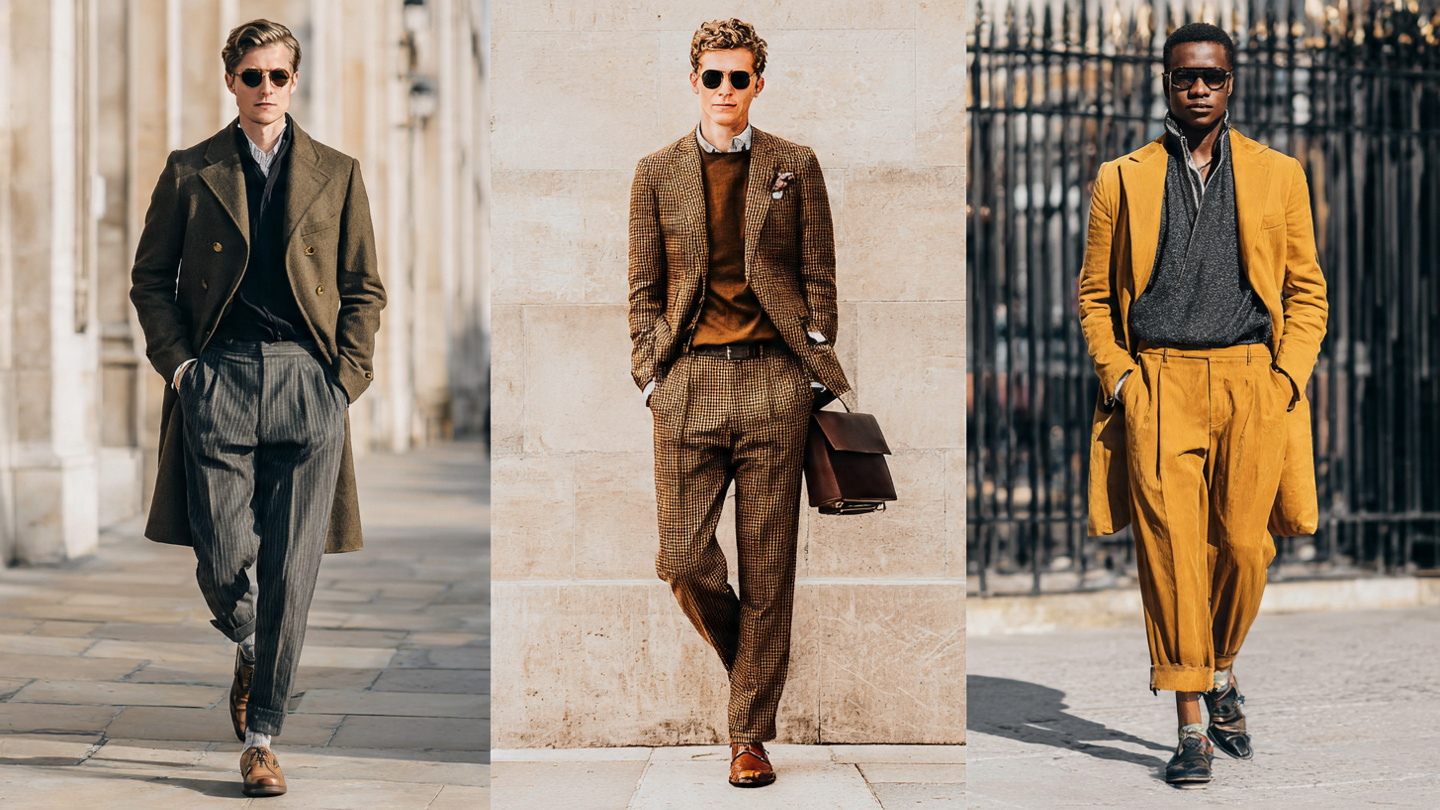

It Reduces Friction Before the Day Begins
Simple workwear works because it removes hesitation. There’s no pause in front of the closet, no second-guessing, no quiet stress before the day has even started. The pieces are familiar. They already work together.
A pair of trousers, a clean shirt, a light knit—often from brands like Uniqlo, COS, Arket, Everlane, or Marks & Spencer—doesn’t ask for interpretation. You’ve worn them before. You know how they feel. The outfit comes together without effort.
For renters, this ease matters deeply. Mornings often happen in shared kitchens, small rooms, or tight schedules. Simple workwear removes one decision from a day that will already ask for many.
It works because it lets the day start quietly.
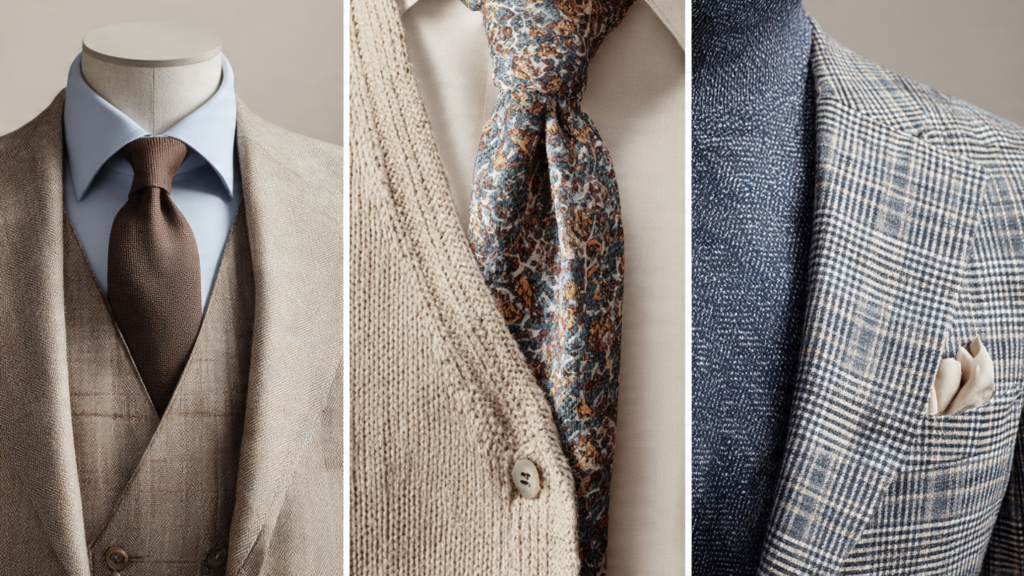
The Clothes Don’t Compete for Attention
Simple workwear pieces tend to agree with each other. Neutral colors. Clean lines. Familiar shapes. Nothing fights to be the focus.

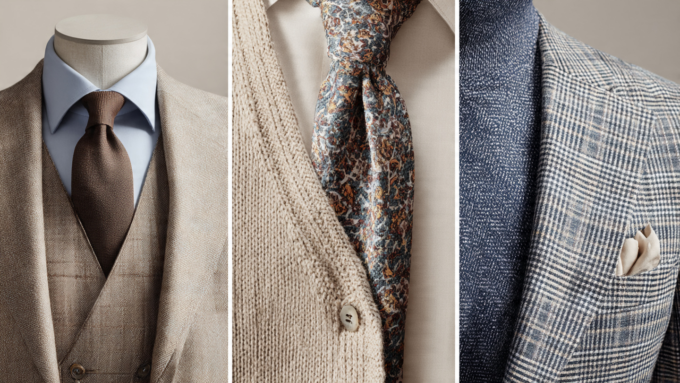
A navy shirt doesn’t argue with grey trousers. A beige knit layers without changing the tone. Brands like COS, Muji, Arket, and Massimo Dutti build their collections around this calm compatibility.
For renters, this harmony feels practical. Limited closet space means every item has to earn its place. Clothes that naturally work together make small spaces feel more manageable.
Simple workwear works because it creates balance instead of noise.
Comfort Becomes Consistent, Not Occasional
Workdays stretch. Sitting turns into standing. Indoors turns into outdoors. Simple workwear often prioritizes comfort in ways that last the whole day, not just the first hour.
Soft cotton shirts, relaxed trousers, breathable fabrics—often found at Uniqlo U, Everlane, Muji, or H&M Studio—don’t demand constant adjustment. They don’t pinch, pull, or distract.
For renters, comfort isn’t a luxury. It’s part of daily survival. Clothes often stay on beyond work hours, blending into evenings at home. Simple workwear stays wearable across these shifts.
It works because the body stops noticing it.
Repetition Feels Like Stability, Not Boredom
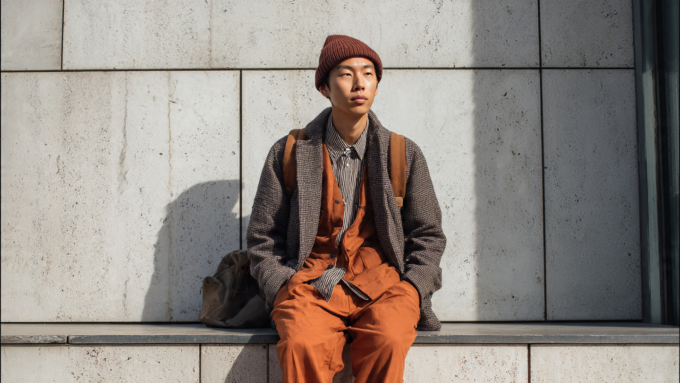
Simple workwear allows repetition without apology. The same trousers worn three times a week. The same jacket layered over everything. Because the pieces are understated, repetition feels steady rather than lazy.
Brands like Uniqlo, COS, and Marks & Spencer support this by designing clothes that don’t age quickly. The styles don’t expire after a season. They stay relevant by staying neutral.
For renters, repetition creates rhythm. When homes, roommates, or routines change, repeating what works brings a sense of control. Clothes become a constant in an otherwise flexible life.
Simple workwear works because it turns repetition into reassurance.
It Leaves Space for the Rest of Life
Perhaps the most important reason simple workwear works is that it doesn’t ask to be noticed. The clothes do their job quietly, allowing attention to move elsewhere—into conversations, tasks, and movement through the day.
A clean blazer, a familiar shirt, well-fitting trousers—often from COS, Arket, Massimo Dutti, or Uniqlo—create a background rather than a performance. You don’t feel dressed up. You feel ready.
For renters, this restraint feels natural. Temporary spaces teach you that not everything needs to be displayed. Some things just need to function well.
Simple workwear works because it supports presence instead of competing with it.
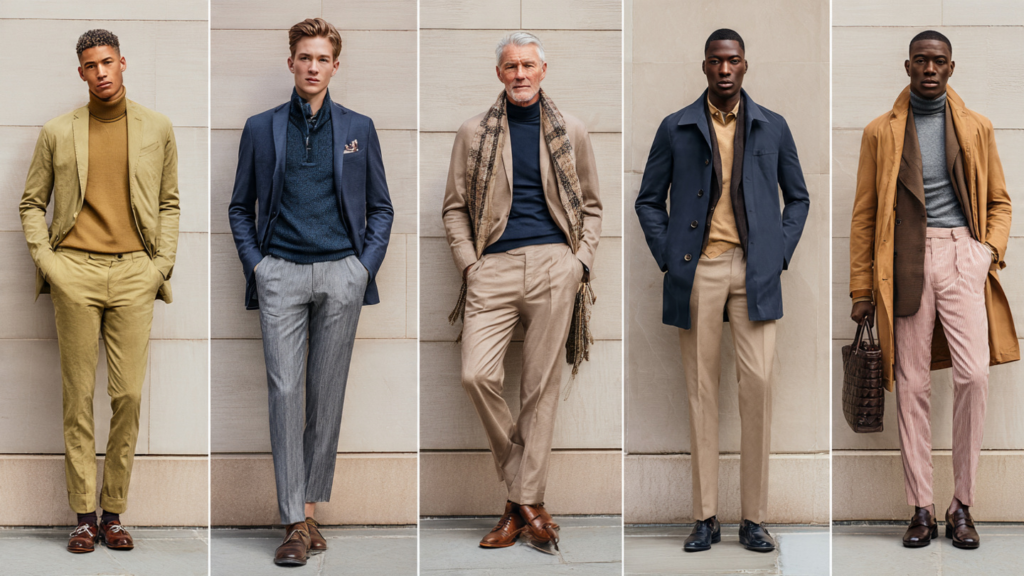
Simple workwear isn’t about doing less—it’s about removing what isn’t needed. It quiets mornings, smooths transitions, and makes repetition feel intentional. The clothes fade into the background, and in that quiet, the day feels easier to move through.
AI Insight:
Many people realize simple workwear works when their clothes stop feeling like part of the effort and start feeling like part of the flow of the day.