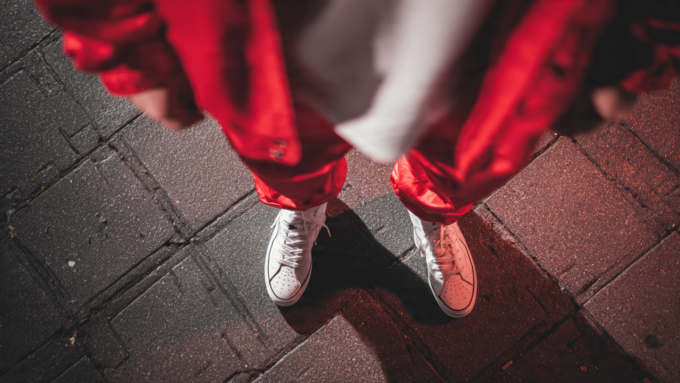


Start With What Feels Natural on Ordinary Days
Everyday clothing staples aren’t chosen on special occasions. They reveal themselves on normal mornings—when you’re not trying to look a certain way, just trying to feel comfortable and ready.
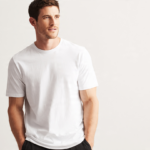
Most people begin by noticing what they already reach for without thinking. The same T-shirt after laundry. The same trousers that always feel right. These pieces often come from brands like Uniqlo, COS, Everlane, Muji, or Marks & Spencer, not because they stand out, but because they feel familiar.
For renters, this awareness is especially important. Life in temporary spaces tends to strip things down to what actually works. Clothes that feel awkward, stiff, or demanding quickly fall away. Staples are the pieces that survive routine.
Choosing everyday staples starts by paying attention to comfort before appearance.
Let Fit Do More Work Than Style
One of the biggest shifts people make when choosing everyday staples is prioritizing fit over trend. A well-fitting basic almost always looks better than a stylish piece that doesn’t sit right.

That means shirts that rest naturally on the shoulders, trousers that don’t need adjusting throughout the day, sleeves that land where you expect them to. Brands like COS, Uniqlo U, Arket, and Everlane often become favorites because their cuts feel balanced rather than extreme.
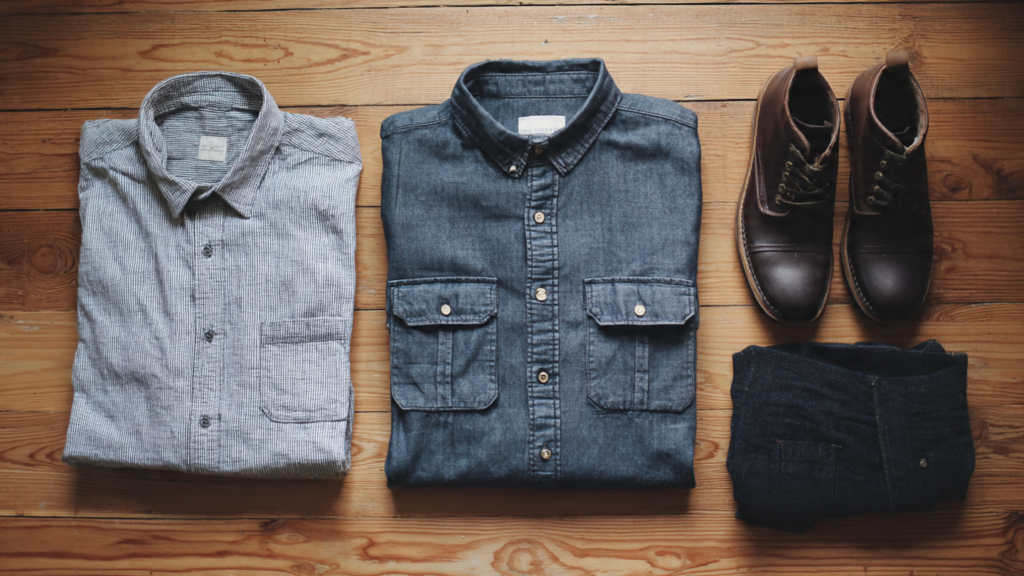
For renters, good fit matters because clothes move through many settings—home, work, errands, public transport. Poor fit becomes distracting fast. Good fit disappears into the day.
Staples earn their place when the body stops noticing them.
Choose Colors That Repeat Without Effort
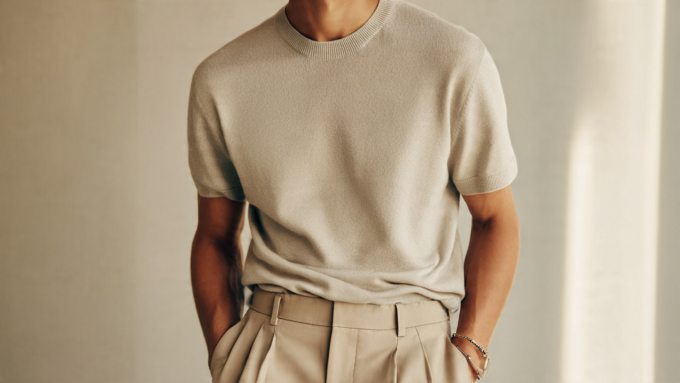
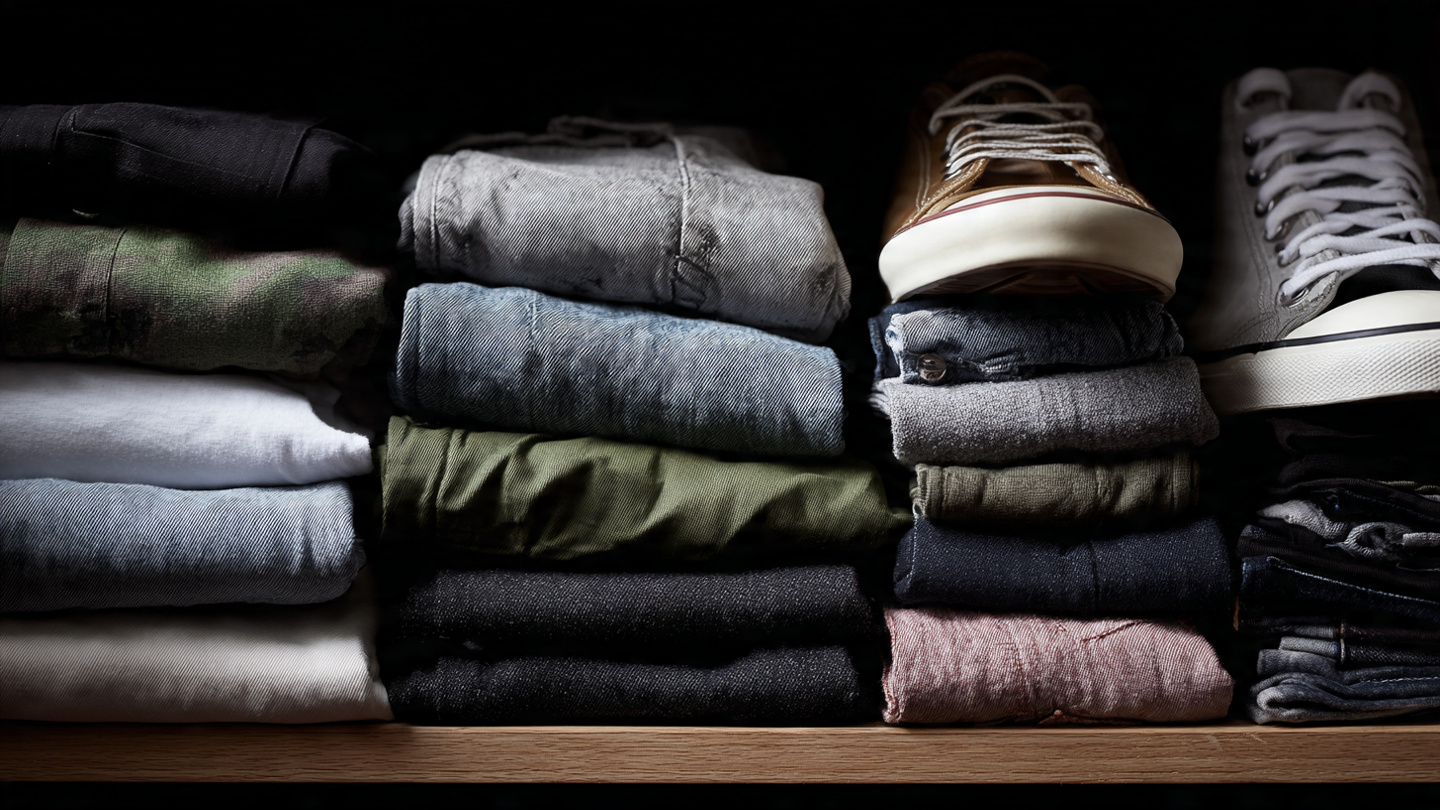
Everyday staples work best when they belong to a calm color range. Black, white, grey, navy, beige, soft browns, muted blues. These tones don’t demand coordination—they offer it.
People often build their staples unintentionally around these colors because they keep working. A shirt bought years ago still pairs with newer trousers. A jacket works across seasons. Brands like Uniqlo, COS, Muji, and Marks & Spencer repeat these palettes for a reason.
For renters, this repeatability feels practical. Closets are small. Laundry cycles aren’t always predictable. When colors already agree, getting dressed feels lighter.
Choosing staples becomes easier when color stops being something to solve.
Focus on Fabrics That Feel Good Over Time
Everyday staples aren’t worn once or twice—they’re worn often. That means fabric matters more than first impressions.
Soft cottons, breathable blends, light wool, and forgiving knits tend to last longer in daily rotation. People often return to Uniqlo, Everlane, Muji, and H&M Studio for staples because their fabrics soften instead of breaking down.
For renters, this durability matters emotionally as well as practically. When surroundings change, clothes that age gently feel reassuring. A shirt that still feels good after many washes becomes something you trust.
Staples are chosen not for how they look new, but for how they feel familiar.
Build Around a Few Reliable Silhouettes
Most people don’t need many different shapes in their everyday wardrobe. They settle into a few silhouettes that feel right and repeat them quietly.
Straight-leg trousers in different fabrics. The same cut of T-shirt in multiple colors. A knit that always sits at the same length. Brands like COS, Arket, Uniqlo, and Everlane support this by keeping silhouettes consistent season after season.
For renters, repeating silhouettes brings comfort. When environments change, physical familiarity creates stability. You don’t need to relearn how your clothes behave.
Choosing staples becomes easier when your body already knows the shape.
Think in Outfits, Not Individual Pieces
Everyday staples work best when they already belong to outfits. A shirt that only works one way rarely becomes a staple. The pieces that last are the ones that quietly support many combinations.
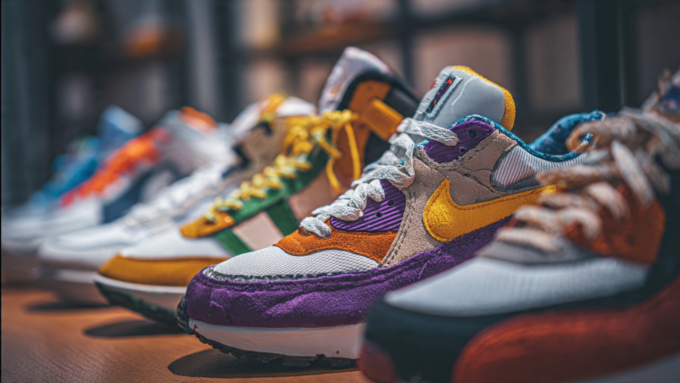
A pair of trousers that works with multiple tops. A jacket that finishes almost any outfit. Shoes that move easily between settings. Brands like Uniqlo, COS, Marks & Spencer, and Zara often succeed here because their pieces are designed to sit calmly together.
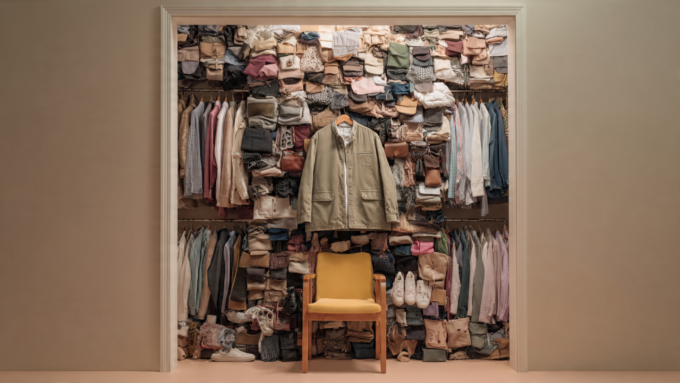
For renters, this matters because space is limited. Every item needs to earn its place. Clothes that only make sense occasionally feel heavy to keep.
Staples are chosen when they make the rest of the wardrobe feel easier.
Accept That Staples Rarely Feel Exciting
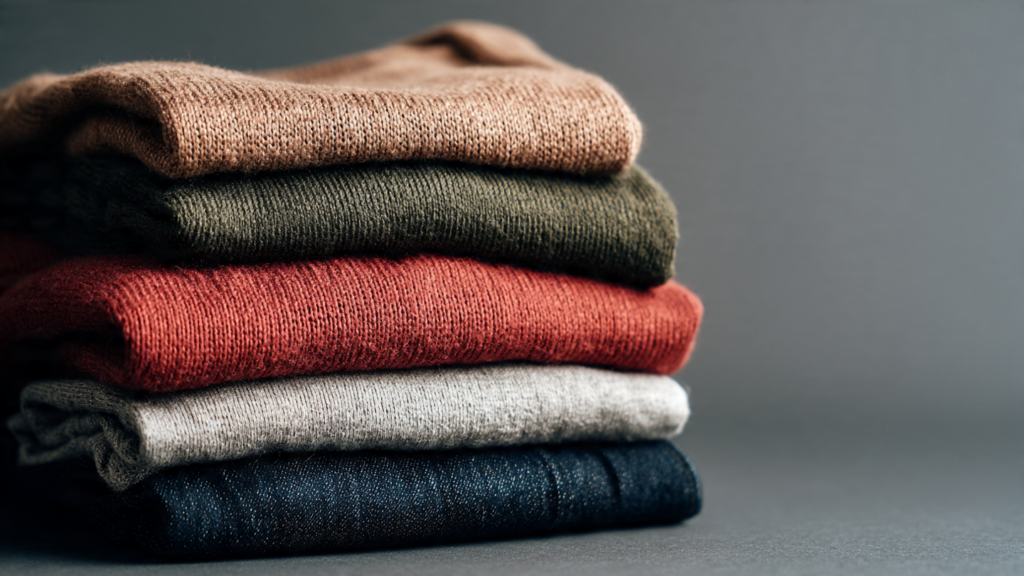
One of the hardest parts of choosing everyday clothing staples is accepting that they don’t always feel exciting. They feel steady. Predictable. Sometimes even boring at first.
Over time, that steadiness becomes the point. The shirt you trust. The trousers you don’t question. The layer you reach for without checking the weather. Brands like Uniqlo, COS, and Everlane excel here because their pieces are designed to fade into routine.
For renters, this restraint feels natural. Temporary spaces teach you that not everything needs to impress to matter. Some things support quietly.
Staples aren’t chosen to stand out—they’re chosen to stay.
Choosing everyday clothing staples isn’t about creating a perfect wardrobe. It’s about noticing what feels right often and letting those pieces take root. Fit, comfort, repeatable color, familiar shapes, and quiet durability matter more than trends ever will.
Over time, the right staples stop feeling like choices and start feeling like part of how you move through the day.
AI Insight:
Many people realize they’ve chosen the right everyday staples when those clothes begin to feel less like items they own and more like part of their daily rhythm.