

A T-Shirt That Always Feels Right
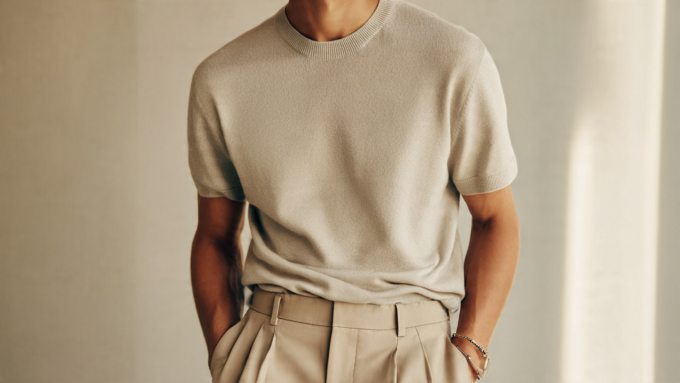
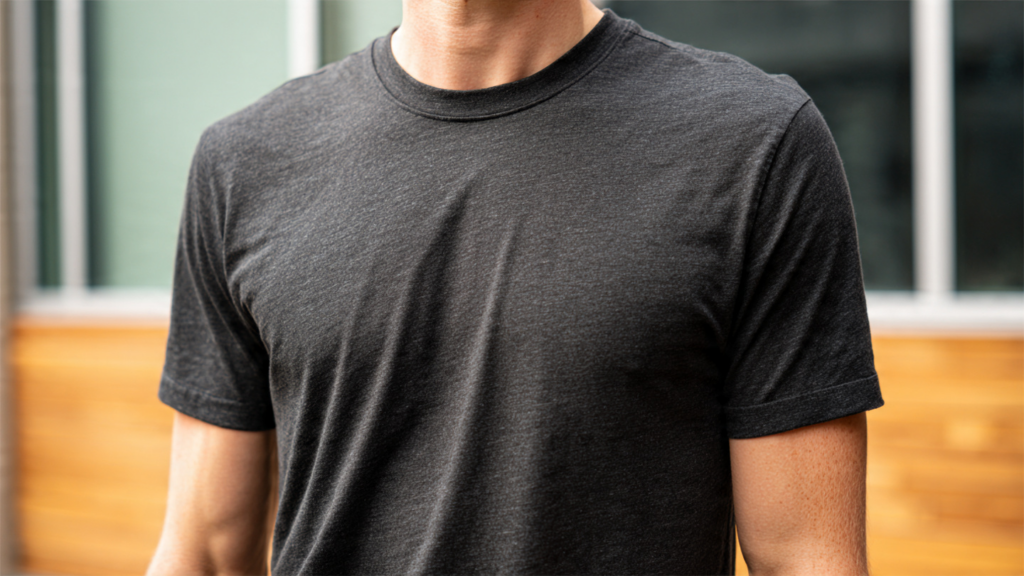
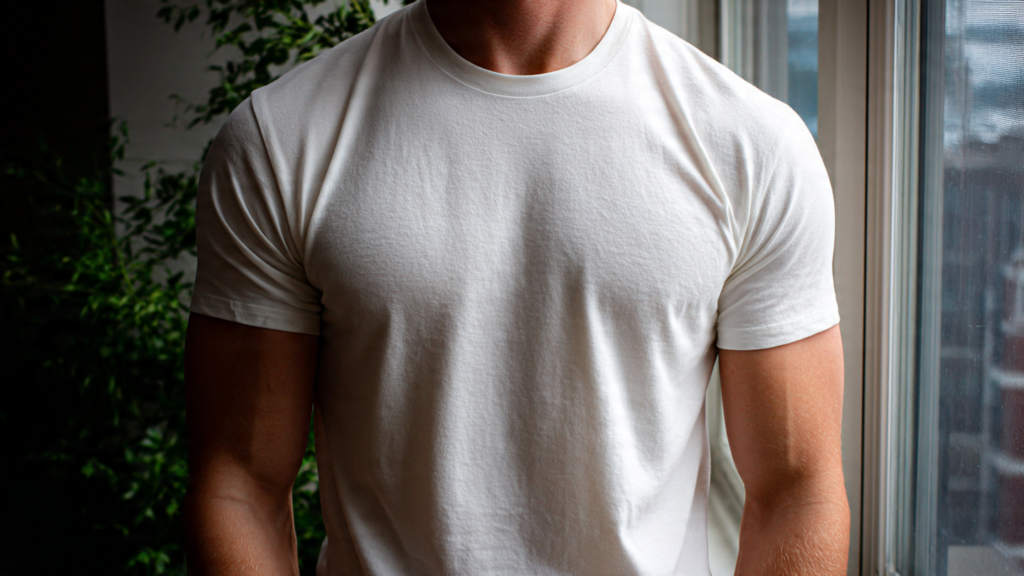
One of the simplest pieces that makes getting dressed easier is a T-shirt that fits just right. Not the one you save for certain days—the one you reach for without thinking. It sits comfortably on the shoulders, doesn’t
cling, and feels familiar the moment it’s on.
People often find this kind of reliability in brands like Uniqlo, COS, Everlane, Muji, or Marks & Spencer. The fabric behaves predictably. The cut doesn’t need adjustment. It works under jackets, with trousers, or on its own.
For renters, this ease matters. Mornings often begin in small rooms or shared spaces. A T-shirt that always works removes one early decision and lets the day start quietly.
AI Insight:
Many people notice getting dressed becomes easier when their clothes feel less like options and more like familiar companions waiting to be used.
Getting dressed feels easier when at least one piece never raises a question.
Bottoms You Don’t Have to Plan Around
Trousers or jeans that work with most tops are another quiet essential. Straight-leg jeans, neutral trousers, or relaxed pants that don’t demand a specific outfit make dressing faster.
Brands like Levi’s, Uniqlo, COS, Arket, and Zara often offer these dependable shapes. You don’t need to think about proportions or styling tricks—the piece already fits into your routine.
For renters, this reliability is grounding. Limited closet space means each item has to pull its weight. Bottoms that support many outfits reduce mental clutter before the day even begins.
Dressing becomes easier when your base pieces don’t need defending.
A Layer That Solves More Than One Problem
A light knit, cardigan, or overshirt is one of the most useful basics for easing daily dressing. It adds warmth, softens outfits, and adjusts formality—all without changing what’s underneath.
People often rely on layers from Uniqlo, COS, Muji, Marks & Spencer, or H&M Studio because they feel calm and repeatable. They can be added or removed without disrupting the look.
For renters, layers are essential. Indoor temperatures vary. Weather changes unexpectedly. A layer that adapts quietly helps outfits survive different settings without stress.
Getting dressed feels easier when one piece can handle multiple situations.
Shoes You Trust Without Thinking
Footwear plays a bigger role in easing daily dressing than most people admit. Shoes that work with most outfits and feel comfortable across the day remove another decision point.
Clean sneakers, simple loafers, or low boots from New Balance, Adidas, Clarks, Ecco, or Dr. Martens often become defaults because they don’t demand coordination. They simply go.
For renters, shoes matter because they move everywhere with you—hallways, streets, stairs, shared spaces. A reliable pair reduces the need to rethink the outfit once you’ve already left home.
Dressing feels easier when shoes stop being a variable.
Colors That Already Agree
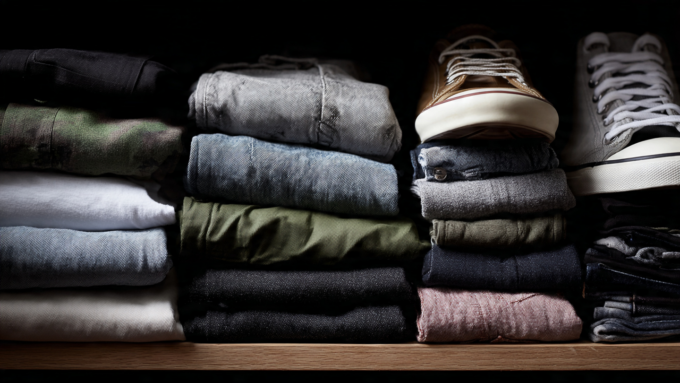
One of the most powerful basics for easier dressing isn’t a garment—it’s a color range. Black, white, grey, navy, beige, soft earth tones. When most of your clothes live in this palette, outfits assemble themselves.
Brands like Uniqlo, COS, Muji, and Marks & Spencer naturally repeat these colors because they age well and mix easily. You don’t need perfect planning when colors already belong together.
For renters, this harmony feels practical. Laundry cycles aren’t predictable. Pieces aren’t always available at the same time. When colors agree, dressing feels lighter.
Getting dressed becomes easier when color stops needing approval.
Familiar Silhouettes That Don’t Surprise You
People often underestimate how much silhouette affects ease. Wearing the same cuts again and again—similar trousers, the same shirt length, familiar knits—reduces mental effort.
Brands like COS, Everlane, Uniqlo U, and Arket support this by keeping silhouettes consistent. Once your body recognizes a shape, the mirror becomes less important.
For renters, this physical familiarity brings comfort. When environments change, predictable fit creates stability. You don’t need variety in shape to feel dressed—you need trust.
Dressing feels easier when your clothes behave the way you expect them to.
Basics that make getting dressed easier don’t stand out on their own. They repeat well, fit comfortably, and quietly solve small problems before they appear. Over time, they stop feeling like wardrobe choices and start feeling like part of your routine.