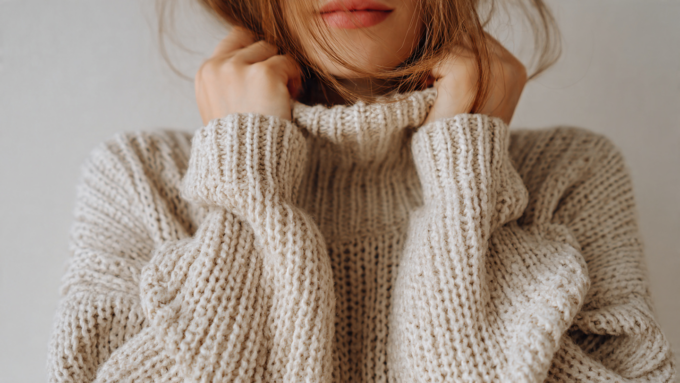

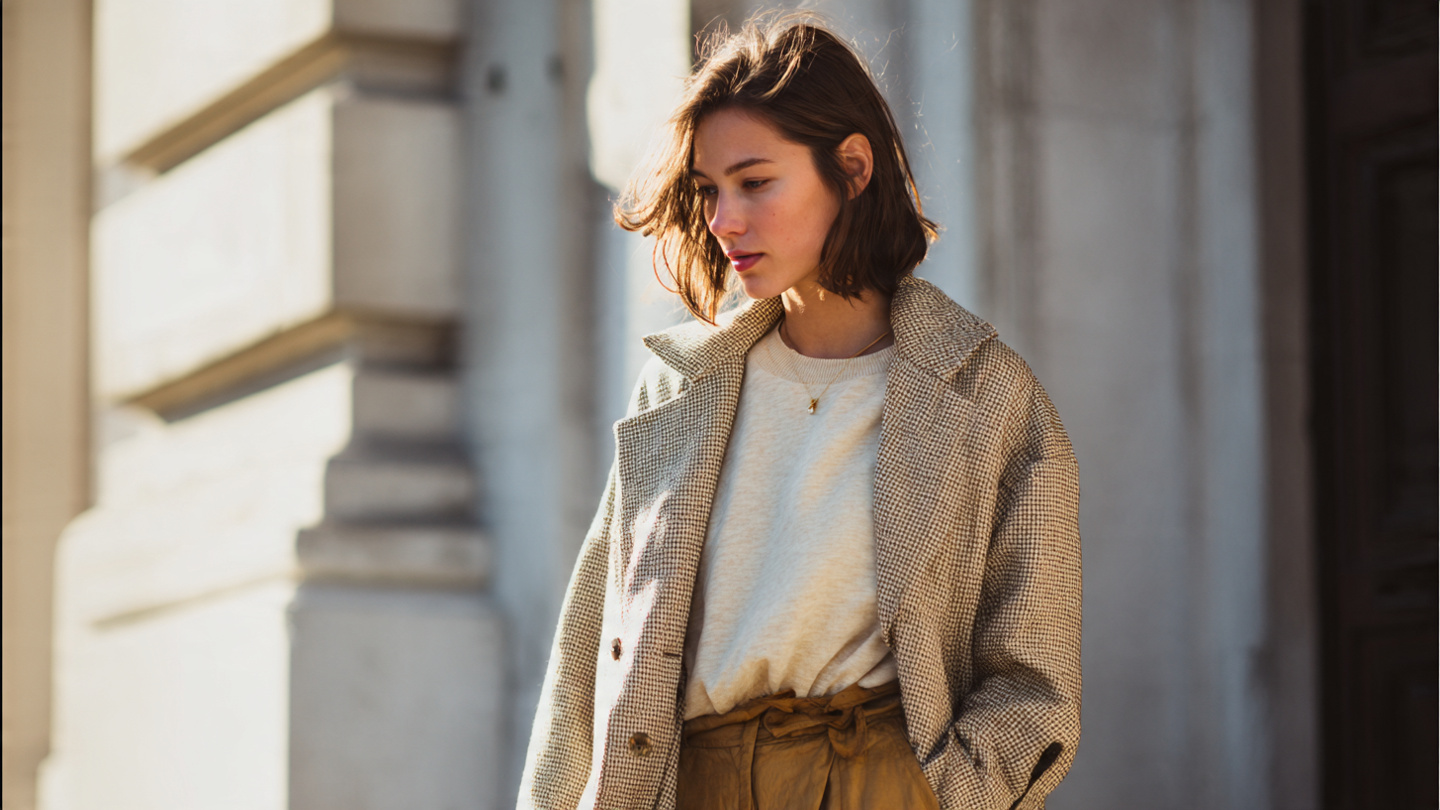
Spring: Light Layers and Clothes That Feel Like a Reset
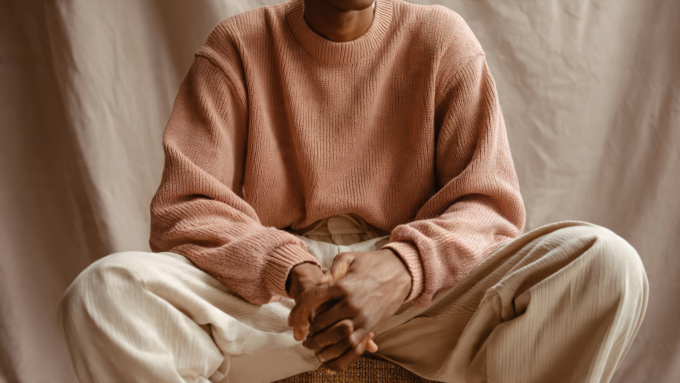
Spring fashion is often defined less by what’s added and more by what’s loosened. Coats open. Sleeves roll up. Fabrics get lighter without fully committing to warmth or cold. The clothes feel like they’re testing the air, just as people do.
You’ll see lightweight knits, relaxed shirts, and easy trousers returning to daily wear. Brands like Uniqlo, COS, Arket, and Zara appear often in spring because their pieces layer without insisting. Nothing feels final yet.
For renters, spring dressing feels closely tied to the home. Windows open for the first time. Light moves differently across walls. Outfits start responding to that shift. A thin jacket stays nearby. A scarf comes along but isn’t always worn.
Spring trends define the season because they carry a sense of possibility. Clothes don’t settle—they hover lightly, as if waiting to see what kind of days are coming next.
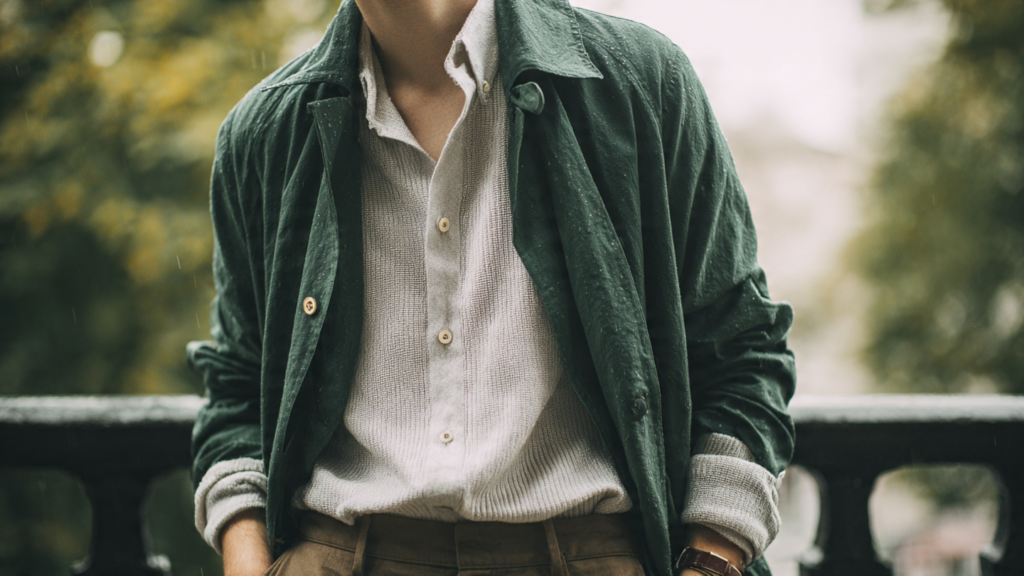
Summer: Breathable Staples That Disappear Once Worn
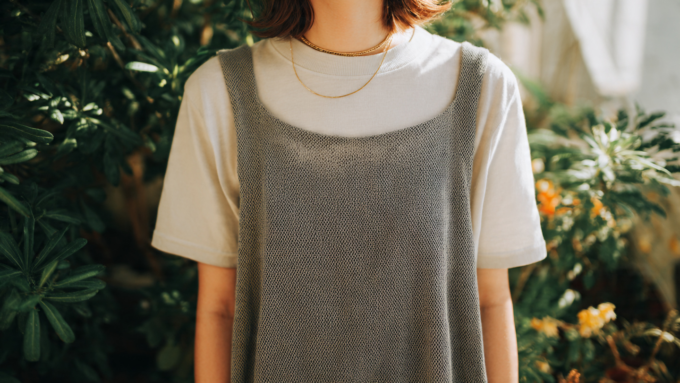
Summer fashion tends to narrow itself down to a few trusted shapes. Light cotton tees, loose trousers, relaxed shorts, open shirts. The trends that define summer are the ones that feel almost invisible when worn.
Brands like H&M, Everlane, Gap, and Muji show up frequently, not because they stand out, but because their pieces feel natural in heat. Fabric matters more than form. Fit matters more than flair.
For renters, summer outfits are closely connected to how spaces behave. Some rooms trap warmth. Others cool down quickly. Clothes that adapt without needing to change become essential. An outfit that works indoors and outdoors feels like a small relief.
Summer trends define the season by staying out of the way. They let the body move, breathe, and slow down without interruption.
Autumn: Texture, Weight, and Familiar Comfort
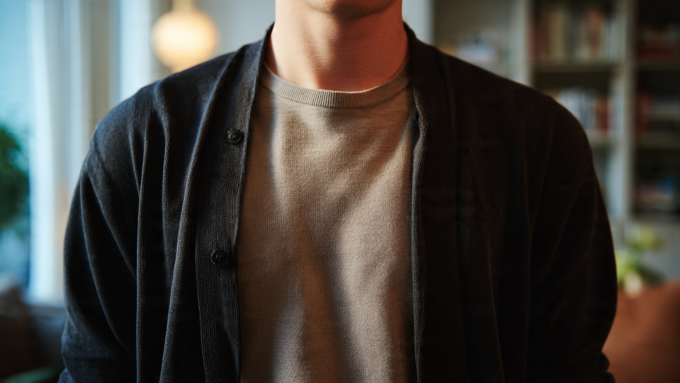
Autumn fashion is often defined by feeling rather than color. Textures deepen. Fabrics gain weight. Clothes start to feel grounding again. Knits return. Trousers feel more substantial. Shoes feel steadier underfoot.
Brands like COS, Massimo Dutti, Mango, and Uniqlo U reflect this shift subtly—wool blends, heavier cottons, soft layers that sit comfortably without bulk.
For renters, autumn dressing often mirrors changes at home. Evenings grow quieter. Light fades earlier. Rooms feel cozier, sometimes cooler. Clothes respond by adding warmth without urgency.
Autumn trends define the season because they feel reassuring. They bring back pieces you remember wearing before, now feeling slightly different against the current year.
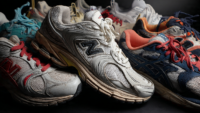
Winter: Protective Pieces That Become Part of Routine
Winter fashion is shaped by necessity, but the trends that last are the ones that soften that necessity. Coats that feel easy to grab. Knits that work indoors and out. Boots that hold steady without drawing attention.
Brands like Zara, Uniqlo, Vagabond, and Marks & Spencer appear often because their winter pieces feel dependable. They don’t require planning. They support routine.
For renters, winter clothing often does extra work. Entryways are small. Heating varies. Going out means preparing quickly. Pieces that feel familiar and forgiving become daily companions.
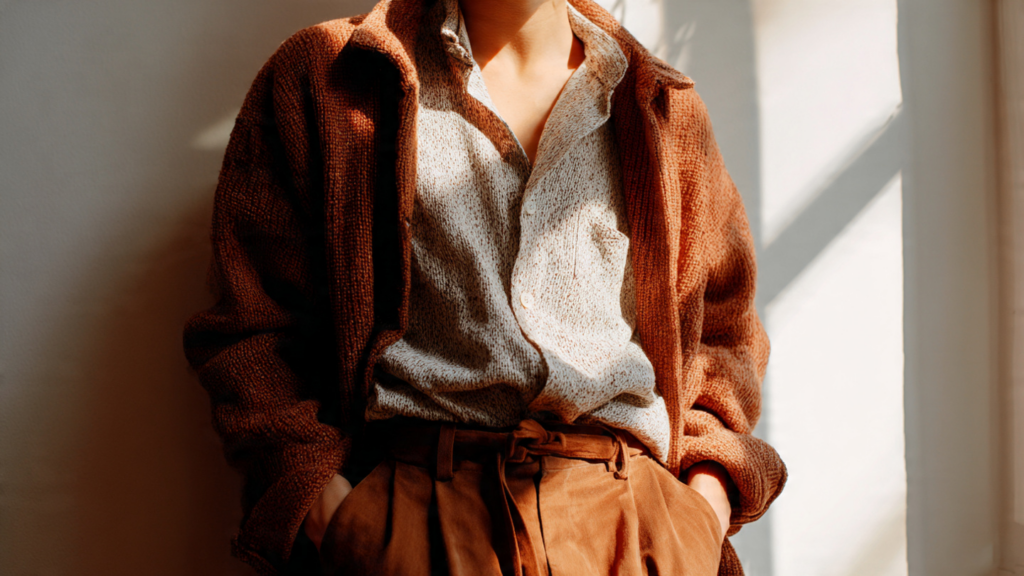
Winter trends define the season by repetition. The same coat worn again and again. The same scarf adjusted slightly differently each day. Over time, these pieces stop feeling seasonal and start feeling personal.
Fashion trends define each season not by being loud or dramatic, but by responding to how days feel at that time of year. Light, temperature, space, and routine all shape what stays in rotation.
The trends that last are the ones that quietly adapt to life as it moves through the seasons.
AI Insight:
Many people notice a season has truly changed when their clothes begin to match how their days feel, without them consciously deciding to dress differently.