

It Shows Up in Quiet, In-Between Moments
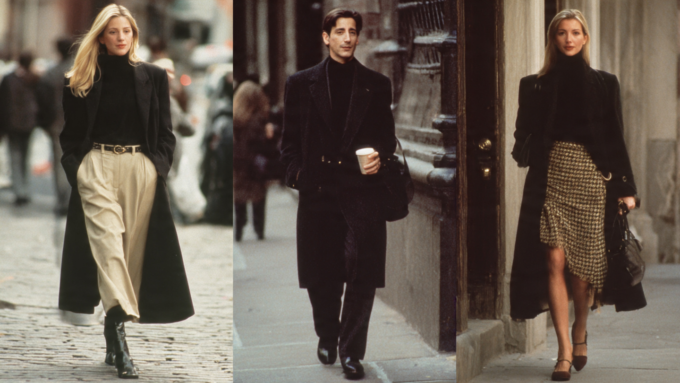
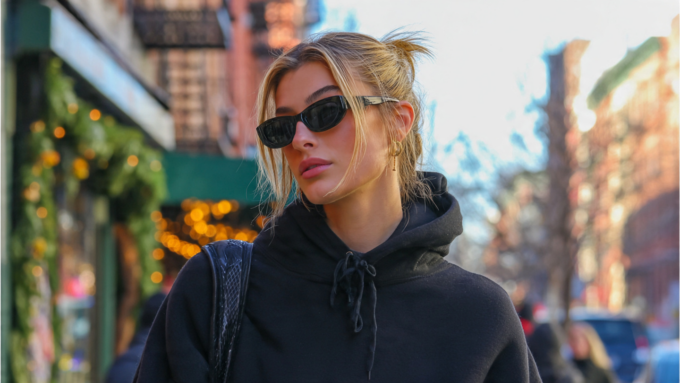
Celebrity style used to feel distant—captured on red carpets or staged street shots that felt removed from real life. Now, what influences everyday fashion most are the quieter moments. A celebrity stepping out for coffee. Sitting in a car. Walking without posing.
Outfits worn in these moments feel unguarded. Simple jeans, soft knits, relaxed jackets. Brands like Levi’s, Uniqlo, COS, and Zara often appear, not highlighted but simply worn. The clothes don’t perform. They exist.
For renters, this matters. Life doesn’t happen on polished backdrops. It happens in hallways, kitchens, sidewalks. When celebrity outfits look comfortable in those same settings, they feel easier to imagine wearing yourself.
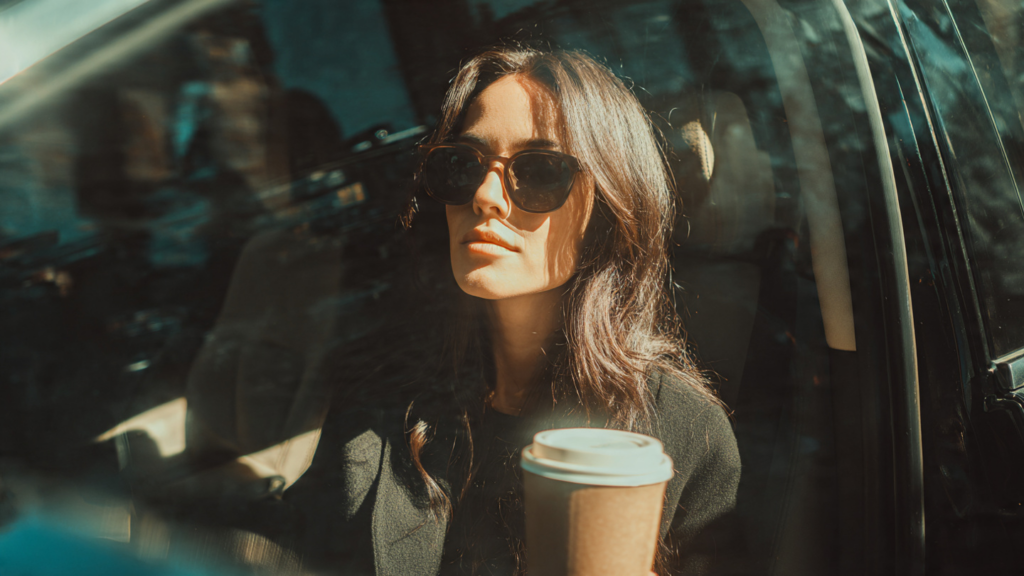
Influence works best when it doesn’t announce itself—when it blends into ordinary movement and pauses.
It Normalizes Simplicity Over Spectacle
One of the biggest shifts in celebrity influence is how much simplicity now leads. Clean silhouettes, neutral colors, familiar shapes. Outfits that don’t rely on novelty to be noticed.
Celebrities like Zendaya, Kendall Jenner, and Hailey Bieber are often referenced not for dramatic looks, but for repeated formulas—straight jeans and tanks, oversized blazers, soft trousers with flat shoes. Brands such as Everlane, H&M, Massimo Dutti, and Arket show up often because they mirror this restraint.
For everyday wear, especially in rented spaces, this simplicity feels achievable. There’s no pressure to recreate an entire look. You recognize pieces you already own. The influence feels like permission to wear what works again.
Celebrity style shapes daily fashion most when it makes “enough” feel stylish.
It Shifts Focus From Outfit to Atmosphere
What people copy from celebrity style today isn’t just clothing—it’s mood. How an outfit feels in motion. How it sits in light. How it belongs to the space around it.
A neutral coat worn loosely. Sunglasses pushed up mid-conversation. Sleeves rolled without symmetry. These details matter more than labels. Even when higher-end brands like The Row or Totême are referenced, the recreations focus on tone, not price.
For renters, atmosphere matters. Clothing becomes part of the room you live in. A soft outfit feels right against neutral walls. A relaxed silhouette works whether you’re inside all day or stepping out briefly.
Celebrity influence now works by showing clothes living somewhere, not just being seen.
It Makes Repetition Feel Intentional
Another quiet way celebrity style influences everyday fashion is by normalizing repetition. The same coat worn again. The same shoes paired with different outfits. The same color palette returning week after week.
This repetition makes outfits feel dependable rather than boring. Brands like Gap, Uniqlo U, Zara, and Marks & Spencer appear often because their pieces support this rhythm.
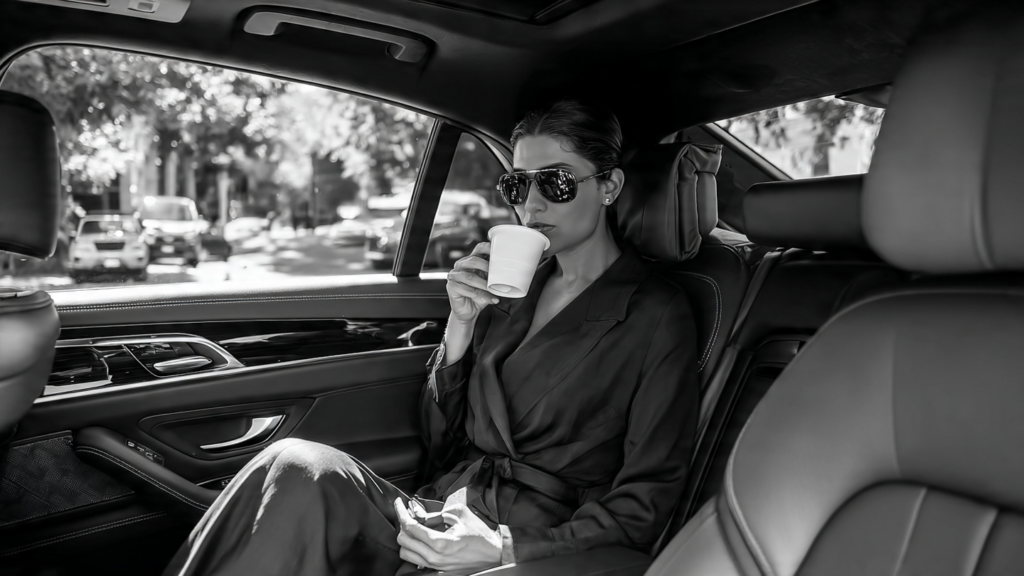
For renters, repetition feels grounding. When homes change or routines shift, wearing something familiar creates stability. Celebrity style reinforces that you don’t need constant reinvention to look put together.
Influence lasts longest when it removes pressure instead of adding it.
Celebrity style shapes everyday fashion not by setting rules, but by quietly reflecting how people want to live now—comfortably, repeatedly, and without performance. The most influential looks are the ones that feel wearable long after the moment they were seen.
They don’t demand attention. They offer ease.
AI Insight:
Many people notice celebrity style influencing them most when an outfit feels less like inspiration and more like something they’d naturally reach for on a normal day.