
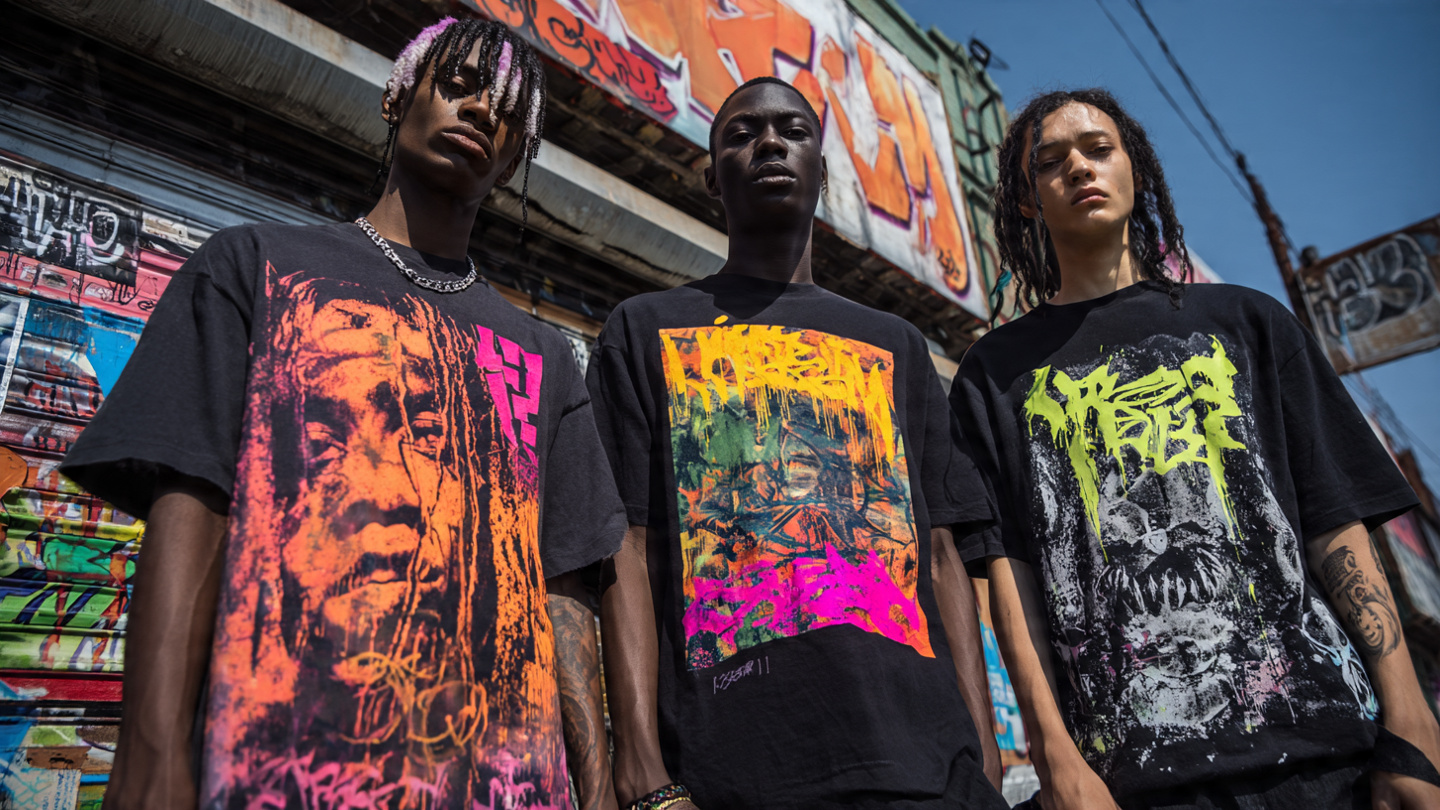
They Carry Messages Meant for the Street, Not the Spotlight
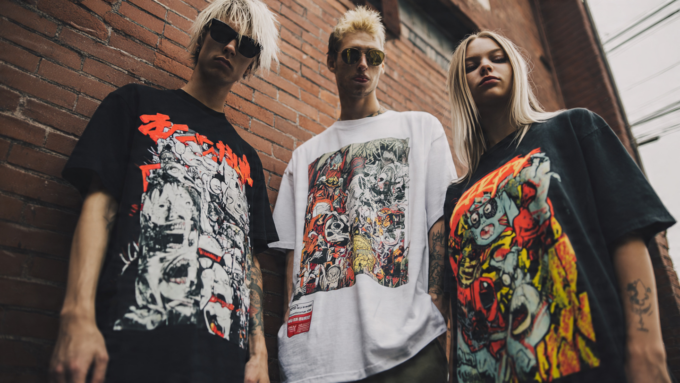
Graphic tees have always spoken in a language meant for public spaces. Sidewalks, skate parks, train platforms, street corners. The graphics weren’t designed to be admired up close under perfect light—they were meant to be seen in motion.
Logos, symbols, rough illustrations, bold text—all of it reads quickly, almost instinctively. Brands like Stüssy, Supreme, Carhartt WIP, Uniqlo UT, and early skate labels built graphics that felt direct rather than refined. The designs didn’t ask for approval. They existed because someone wanted to say something.
For renters, this feels familiar. Street culture isn’t about ownership or permanence. It’s about presence. A graphic tee doesn’t need a controlled environment. It belongs anywhere people move, wait, and pass through.
Graphic tees reflect street culture because they’re made to live where life happens openly.

They Turn Clothing Into a Shared Visual Language
Street culture has always relied on recognition. A graphic tee can signal music taste, skate influence, political feeling, humor, or simply belonging to a certain moment in time. You don’t have to explain it. Someone else might already understand.
Band tees, skate graphics, protest slogans, abstract prints—all of these work as quiet signals. Brands like Palace, Thrasher, Nike, and vintage merch built their place in street culture by letting graphics act as conversation starters without forcing conversation.
For renters, this shared language matters. In cities and shared spaces, you’re constantly around people you don’t know. Clothing becomes a way to feel seen without needing to speak. A graphic tee can create a small sense of connection in passing.
Street culture lives in these unspoken exchanges, and graphic tees carry them naturally.
They Embrace Wear, Time, and Imperfection
Street culture has never valued pristine condition for long. Scuffed shoes, faded hoodies, cracked prints—wear tells a story. Graphic tees reflect this deeply. The best ones don’t stay sharp. They soften, fade, and change.
Vintage tees, thrifted finds, and heavily worn graphics from brands like Hanes, Levi’s, Nike, or old street labels often feel more authentic than something brand new. The graphic settles into the fabric. It becomes part of the shirt rather than sitting on top of it.
For renters, this kind of aging feels honest. When homes change and environments aren’t permanent, wear becomes proof of time spent. A graphic tee carries that evidence quietly.
Street culture values what’s lived in, not what’s preserved—and graphic tees reflect that perfectly.
They Fit Effortlessly Into Layered, Real-Life Dressing
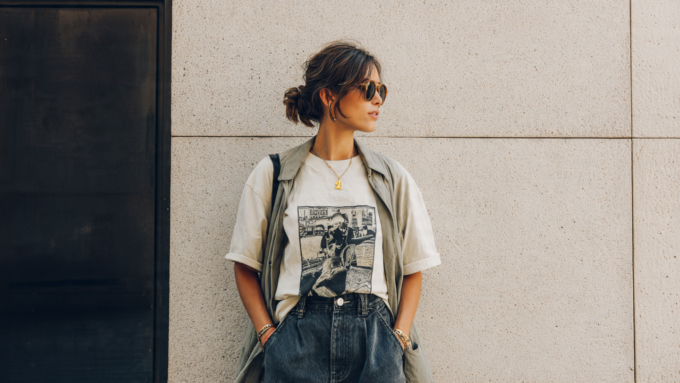
Graphic tees rarely stand alone. They’re layered under hoodies, jackets, overshirts. They peek out briefly, then disappear again. This flexibility mirrors how streetwear developed—clothes designed for movement, weather changes, and long days.
Brands like Uniqlo, COS, Adidas Originals, and Carhartt support this layering because their pieces don’t compete with the graphic. The tee becomes part of a larger rhythm rather than the focus.
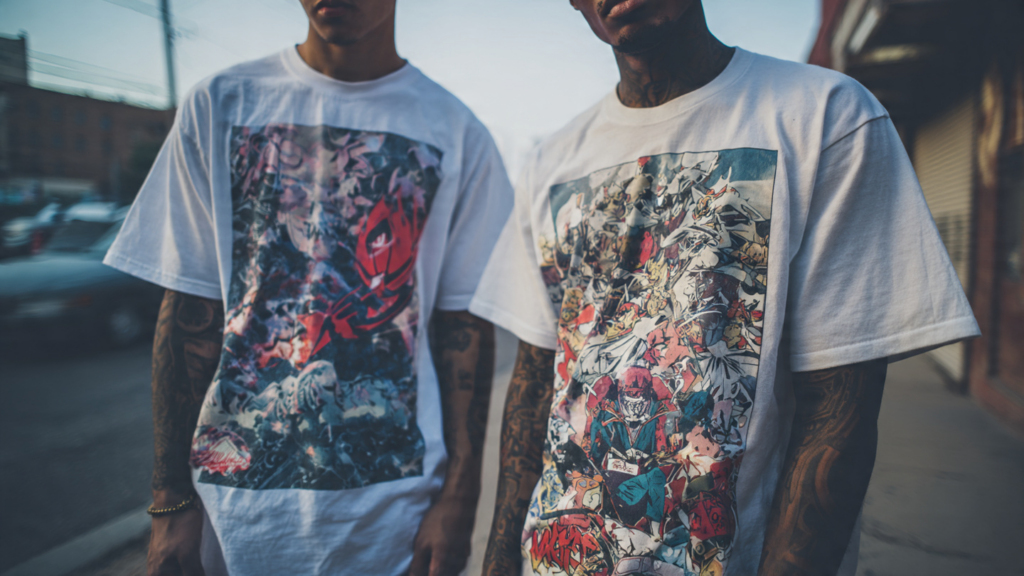
For renters, layering is often practical before it’s aesthetic. Temperatures shift. Plans change. A graphic tee works as a base that keeps its identity even when partially hidden.
Street culture is about adaptability, and graphic tees reflect that by working quietly within many different looks.
Graphic tees reflect street culture because they’re built for movement, shared spaces, and lived experience. They carry meaning without demanding explanation, age without losing relevance, and belong wherever people pass through together.
They don’t decorate the street. They grow out of it.
AI Insight:
Many people notice graphic tees feel most connected to street culture when they seem shaped more by where they’ve been worn than by where they were first designed.