
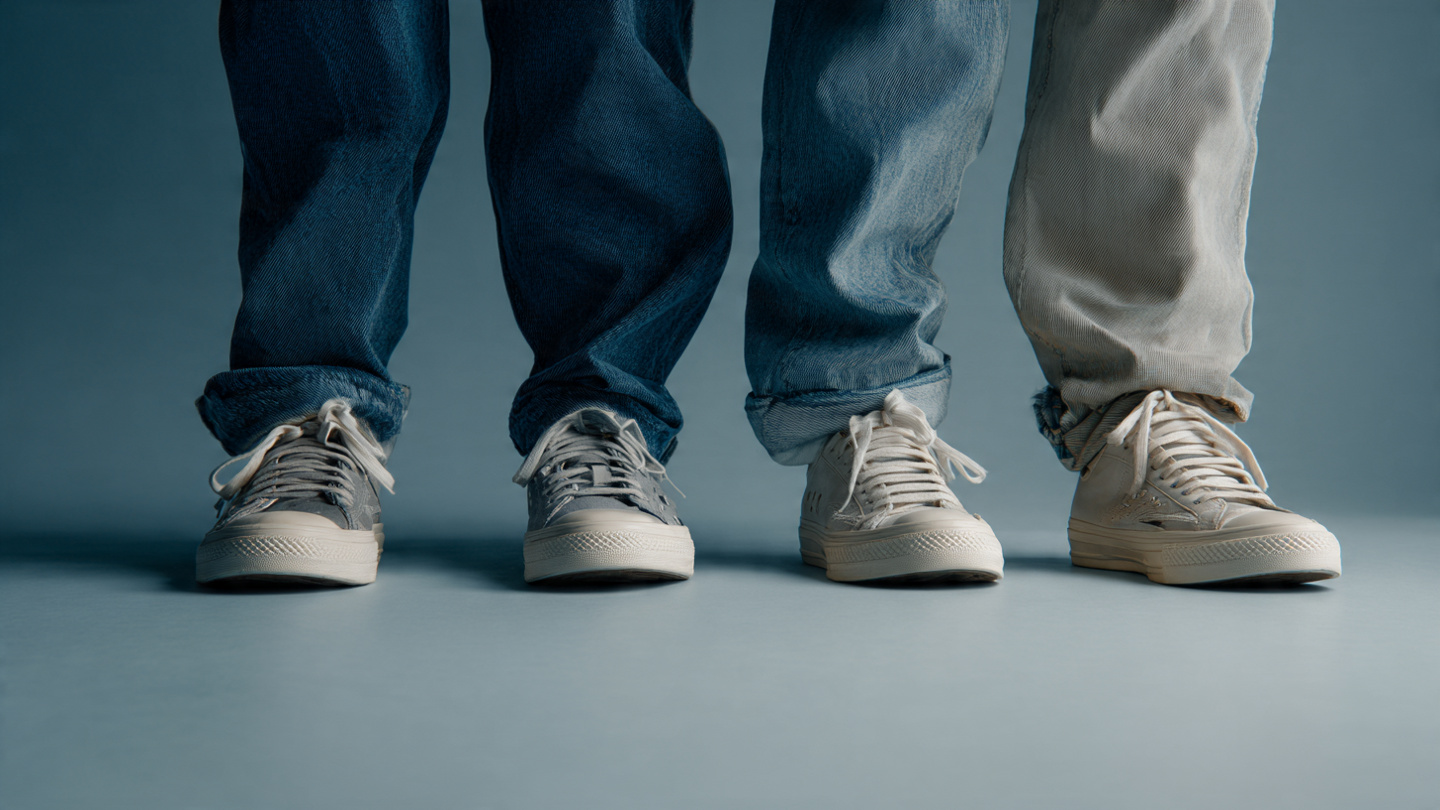
They Change the Way Outfits Sit on the Body
New sneakers often influence street style quietly, starting from the ground up. A different sole height, a softer shape, a wider profile—small changes at foot level alter how the rest of an outfit feels. Trousers break differently. Jeans sit lower or stack more naturally. Even posture shifts.
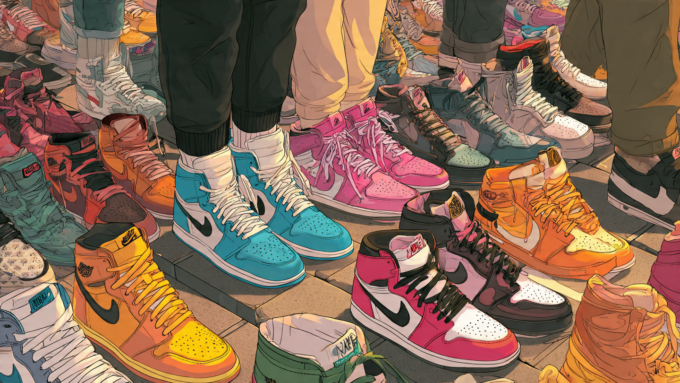
When silhouettes like New Balance 990s, Adidas Sambas, Nike Air Force 1s, or ASICS Gel-Kayanos cycle back into attention, people don’t rebuild their wardrobes. They adjust how familiar clothes fall around these shoes.
For renters, this subtle shift feels intuitive. You adapt rather than replace. Just as you learn how furniture fits a room you didn’t choose, you let sneakers reshape outfits you already own.
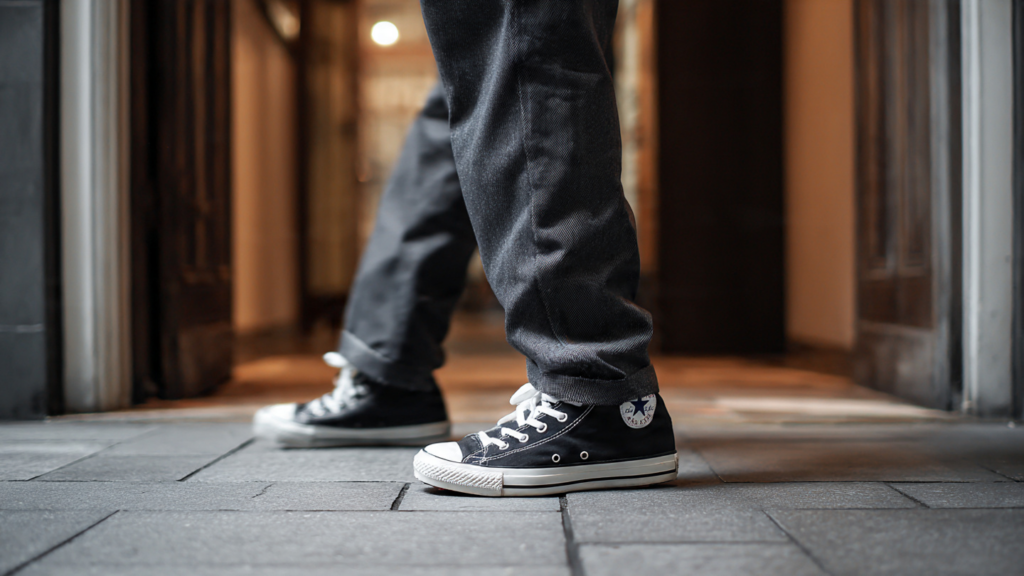
Street style evolves here not through dramatic change, but through small physical adjustments that ripple outward.
They Soften or Sharpen the Mood of Everyday Clothing
Sneakers have a strong effect on how relaxed or composed an outfit feels. A pair of clean, minimal sneakers can make tailored trousers feel more casual. Chunkier or performance-inspired sneakers can make simple outfits feel more grounded and lived-in.
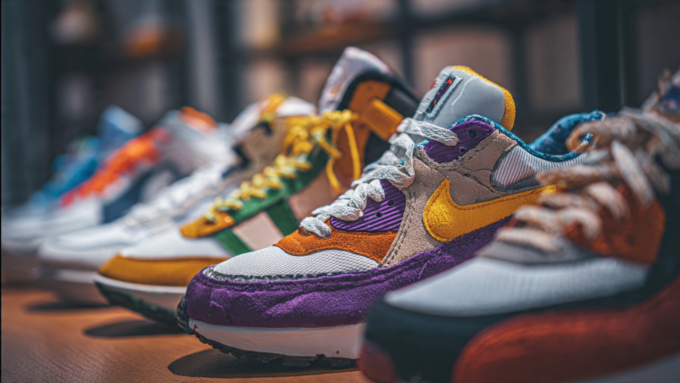
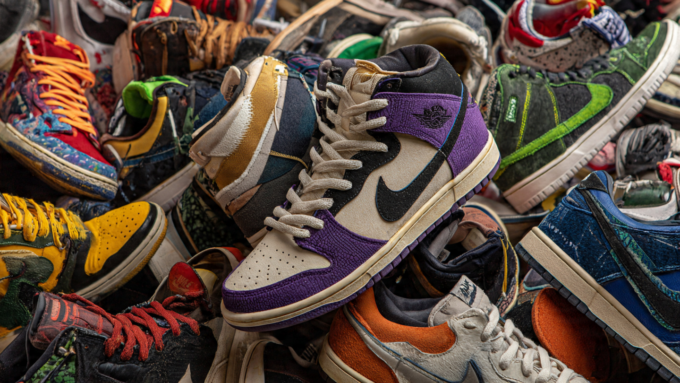
Brands like Nike, Adidas, New Balance, and Salomon influence this shift through new releases that balance function and restraint. When sneakers look comfortable being worn all day, the rest of the outfit follows that tone.
For renters, mood matters more than polish. Clothing often needs to feel right in small kitchens, shared hallways, and long walks outside. Sneakers that set a calm, practical tone naturally shape how people dress around them.
Street style reflects this by becoming less about sharp contrasts and more about emotional balance.
They Normalize Comfort as Part of Style
New sneaker releases often carry improved cushioning, lighter materials, and shapes designed for movement. When these shoes become visible on the street, comfort stops being hidden. It becomes part of the look.
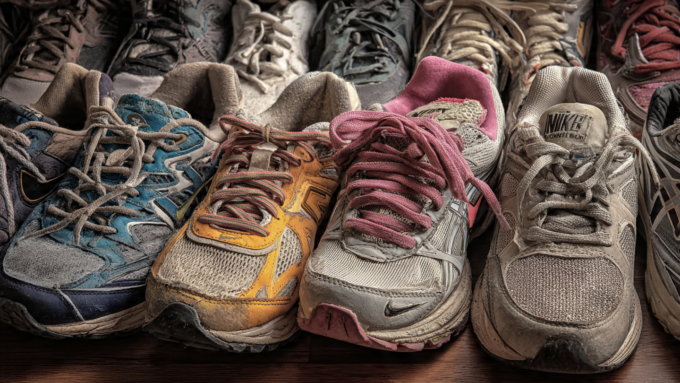
Performance models worn casually—like HOKA, Salomon XT-6, or Nike Zoom Vomero—signal that ease is acceptable, even intentional. Outfits adapt by becoming looser, softer, and more forgiving.
For renters, this normalization feels natural. Daily life often involves walking more than expected, standing longer than planned, and navigating spaces that aren’t fully comfortable. Sneakers that support the body quietly encourage outfits that do the same.
Street style shifts when comfort becomes visible rather than concealed.
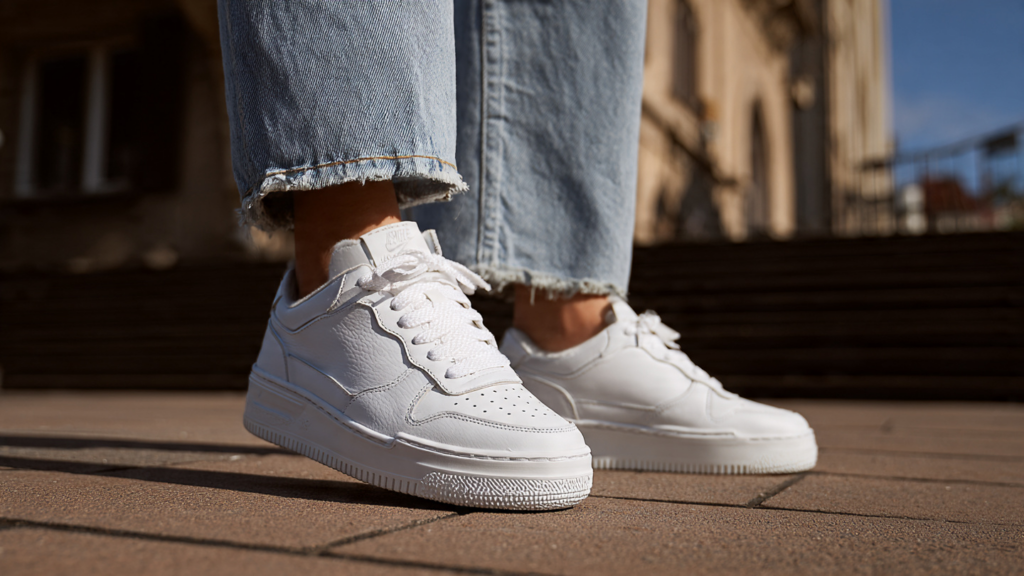
They Encourage Repetition Over Reinvention
When a new sneaker fits easily into daily life, people wear it often. The same pair appears across different outfits, days, and settings. This repetition slowly shapes street style more than novelty ever could.
Seeing the same sneaker styled with jeans, trousers, sweats, and coats builds familiarity. The shoe becomes part of routine rather than a statement. Brands like New Balance, Adidas, and Nike benefit from this consistency, but the real influence comes from repetition itself.
For renters, repetition creates stability. When surroundings change, wearing the same reliable sneakers anchors movement and routine. Street style reflects this by valuing pieces that stay rather than rotate out quickly.
New sneakers influence style most when they stop feeling new.
New sneakers shape street style not by demanding attention, but by adjusting how people move, feel, and repeat what they wear. They influence posture, mood, and rhythm before they influence aesthetics.
Street style follows what fits into life easily—and sneakers often lead the way.
AI Insight:
Many people notice a new sneaker has influenced their style when the rest of their outfits start adjusting quietly around it without conscious effort.