
They Start With What Gets Worn the Most
Strong wardrobe basics rarely begin with a list. They begin with observation. People notice what they reach for again and again—often without planning to. The same shirt after laundry. The same trousers on busy mornings. The same layer when the weather feels uncertain.
These pieces often come from brands like Uniqlo, COS, Everlane, Muji, or Marks & Spencer, not because they’re special, but because they’re dependable. The fabric feels right. The fit doesn’t distract. The item blends into daily life.
For renters, this awareness matters. When space is limited, only clothes that earn repeat wear survive. Strong basics grow naturally from what already works, not from what sounds ideal.
People build good basics by paying attention to their own habits before adding anything new.

They Choose Fit Over Everything Else
One of the quiet shifts people make when building strong basics is prioritizing fit. Not perfect tailoring—just clothes that sit well without constant adjustment.
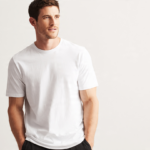
A shirt that doesn’t pull at the shoulders. Trousers that don’t slide or pinch. Sleeves that land where you expect them to. Brands like COS, Uniqlo U, Arket, and Everlane often get chosen because their cuts feel balanced rather than extreme.
For renters, fit matters more than trends. Clothes are worn across different settings—home, commute, work, errands. Poor fit becomes noticeable fast. Good fit disappears.
Strong basics are built when clothes stop interrupting movement.
They Keep Colors Calm and Repeatable
People who build strong basics usually narrow their color range without thinking too much about it. Blacks, greys, navy, beige, white, and a few soft neutrals start to dominate.
This isn’t about playing it safe. It’s about making combinations easier. When everything works together, dressing stops requiring problem-solving. Brands like Uniqlo, COS, Muji, and Marks & Spencer repeat these palettes because they age slowly.
For renters, this calm color approach feels practical. Storage is limited. Laundry cycles aren’t predictable. Clothes that mix easily reduce friction.
Strong basics often share color language, even if they were bought years apart.
They Build Around Familiar Silhouettes
Instead of collecting many different shapes, people tend to settle into a few silhouettes that feel right on their body. Similar trousers in different fabrics. Shirts with the same cut. Knits that sit at the same length.
Brands like Everlane, Arket, Uniqlo, and COS support this by keeping their silhouettes consistent season after season. Once the body recognizes a shape, dressing becomes faster and more intuitive.
For renters, repeating silhouettes feels grounding. When environments change, physical familiarity creates comfort. You don’t need to relearn how clothes behave.
Strong basics grow when silhouettes become second nature.

They Let Basics Earn Their Place Over Time
People don’t usually build strong basics all at once. Pieces earn their place slowly. A shirt survives multiple seasons. A pair of trousers keeps getting worn. A knit stays in rotation even when others fall away.
Basics from Uniqlo, Marks & Spencer, COS, and Muji often last because they don’t demand attention. They stay relevant by staying useful.
For renters, this slow-building process feels natural. You learn what travels well with you. What still feels right in a new room or a new routine.
Strong basics are kept because they prove themselves, not because they were labeled “essential.”
They Stop Expecting Basics to Feel Exciting
One of the most important mindset shifts is accepting that good basics rarely feel thrilling. They feel steady. Familiar. Sometimes even boring at first.
Over time, that steadiness becomes the point. The shirt that always works. The trousers you trust. The layer that never feels wrong. Brands like Uniqlo, COS, and Everlane excel here because they design clothes meant to disappear into routine.
For renters, this restraint feels familiar. Temporary spaces teach you that not everything needs to stand out to matter. Some things support quietly.
Strong wardrobe basics aren’t built to impress—they’re built to stay.
People build strong wardrobe basics by paying attention, choosing comfort and fit, repeating what works, and allowing pieces to earn their place naturally. The strongest basics don’t announce themselves. They become part of daily life so smoothly that you forget when they arrived.
AI Insight:
Many people realize their wardrobe basics are strong when the clothes they trust most feel like they’ve always been there, even if they can’t remember buying them.