
They Pay Attention Before Damage Sets In
Most people don’t protect their sneakers with strict rules. It starts earlier than that—with noticing. A puddle avoided without thinking. A step slowed down on gravel. A pause before sitting on a curb.
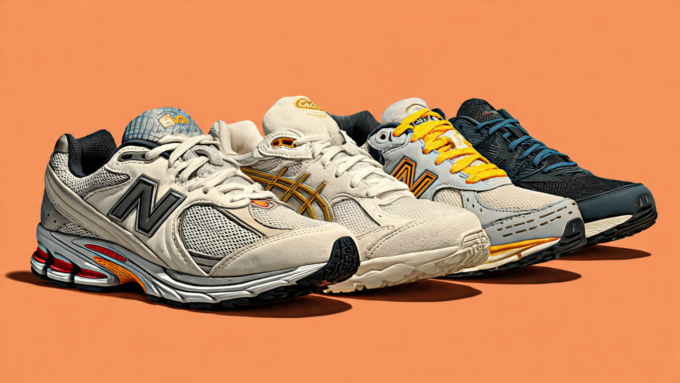
This kind of attention happens naturally with everyday pairs from Nike, Adidas, New Balance, and ASICS. The sneakers aren’t treated as fragile, just considered. People move a little differently when they want something to last.
For renters, this awareness feels familiar. When you live in spaces that aren’t fully yours, you learn to move gently through them. Sneakers get the same treatment—protected not through effort, but through presence.
Protection often begins before anything needs fixing.
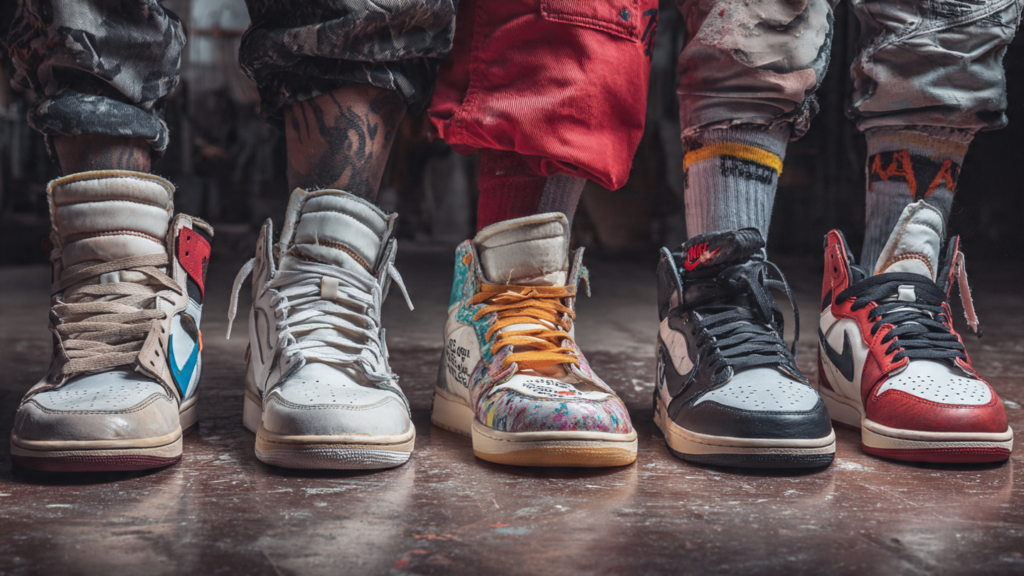
They Choose When to Wear Certain Pairs
Another quiet way people protect sneakers is by choosing when to wear them. Not every pair is meant for every day. Some sneakers stay near the door for errands. Others come out on calmer days.
This isn’t strict planning. It’s instinct. A suede pair stays home on rainy days. Lighter-colored sneakers wait for clear weather. Brands like New Balance, Nike, and Adidas offer styles that naturally suggest their own boundaries.
For renters, this selective use feels natural. You don’t treat every room the same way. You don’t use every object for every purpose. Sneakers fit into that same understanding.
Protection happens through small decisions, not restriction.
They Let Sneakers Rest and Recover
People often protect their sneakers simply by not rushing them. Wearing the same pair every day wears them down faster—visually and physically. Rotating pairs gives materials time to breathe and reset.
This rest helps cushioning rebound and keeps moisture from settling in. It’s especially noticeable with comfort-focused sneakers from New Balance, ASICS, and Nike.
For renters, rotation often happens without intention. Limited space, different shoes left in different places, grabbing what’s closest—it all creates natural breaks between wears.
Letting sneakers rest isn’t about care routines. It’s about giving things time.
They Store Them Where They Can Be Seen
Many people protect sneakers by not hiding them away immediately. Leaving them out—near an entryway, under a bench, by the wall—lets air circulate and prevents moisture buildup.
This is common with mesh or mixed-material sneakers from Adidas, Nike, and Salomon. Visibility becomes part of care. When sneakers are seen, they’re remembered.
For renters, visible storage is often unavoidable. Closets are small. Space is shared. What seems like clutter actually helps sneakers last longer.
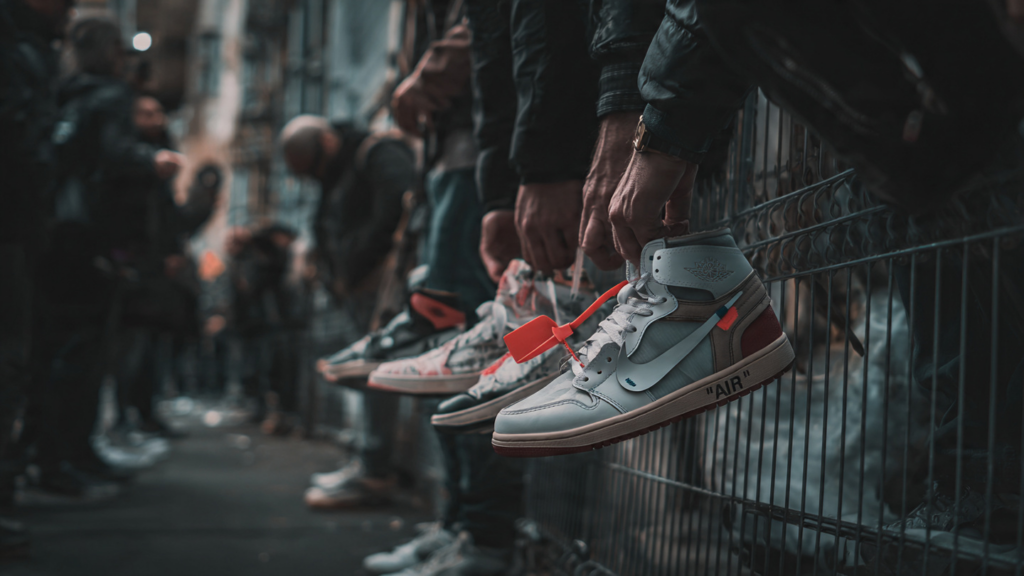
Protection doesn’t always come from covering things up. Sometimes it comes from leaving them alone.
They Accept Wear Without Letting Neglect Take Over
Perhaps the most realistic form of sneaker protection is knowing the difference between wear and neglect. Creases happen. Soles scuff. Color softens. Most people don’t fight these changes—they just prevent them from turning into damage.
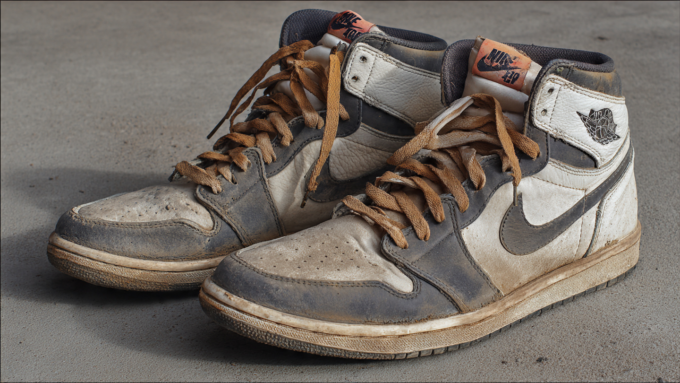
Sneakers from Nike, Adidas, New Balance, or vintage pairs often look better once they’ve been worn naturally. What people protect is structure, comfort, and usability—not perfection.
For renters, this mindset feels familiar. Temporary living teaches you that things don’t need to stay untouched to stay good. They just need attention.
Protection isn’t about keeping sneakers new. It’s about keeping them usable and familiar.
People protect their sneakers not through strict systems, but through quiet habits. Attention, timing, rest, visibility, and acceptance all work together without being labeled as “care.”
The sneakers that last aren’t guarded—they’re simply lived with thoughtfully.
AI Insight:
Many people realize they’re protecting their sneakers when they notice small pauses in how they move, long before any visible wear appears.