
Rarity Feels Like a Moment, Not Just a Number
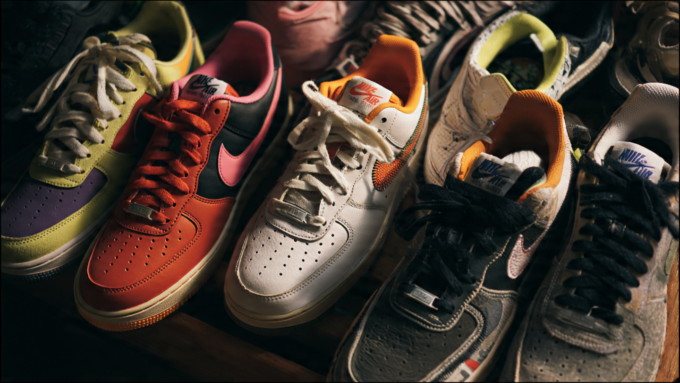
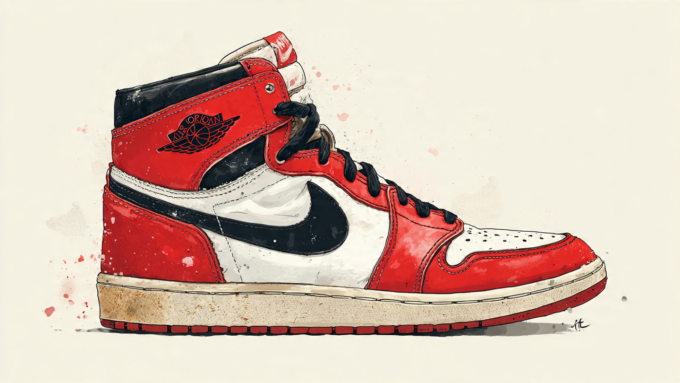
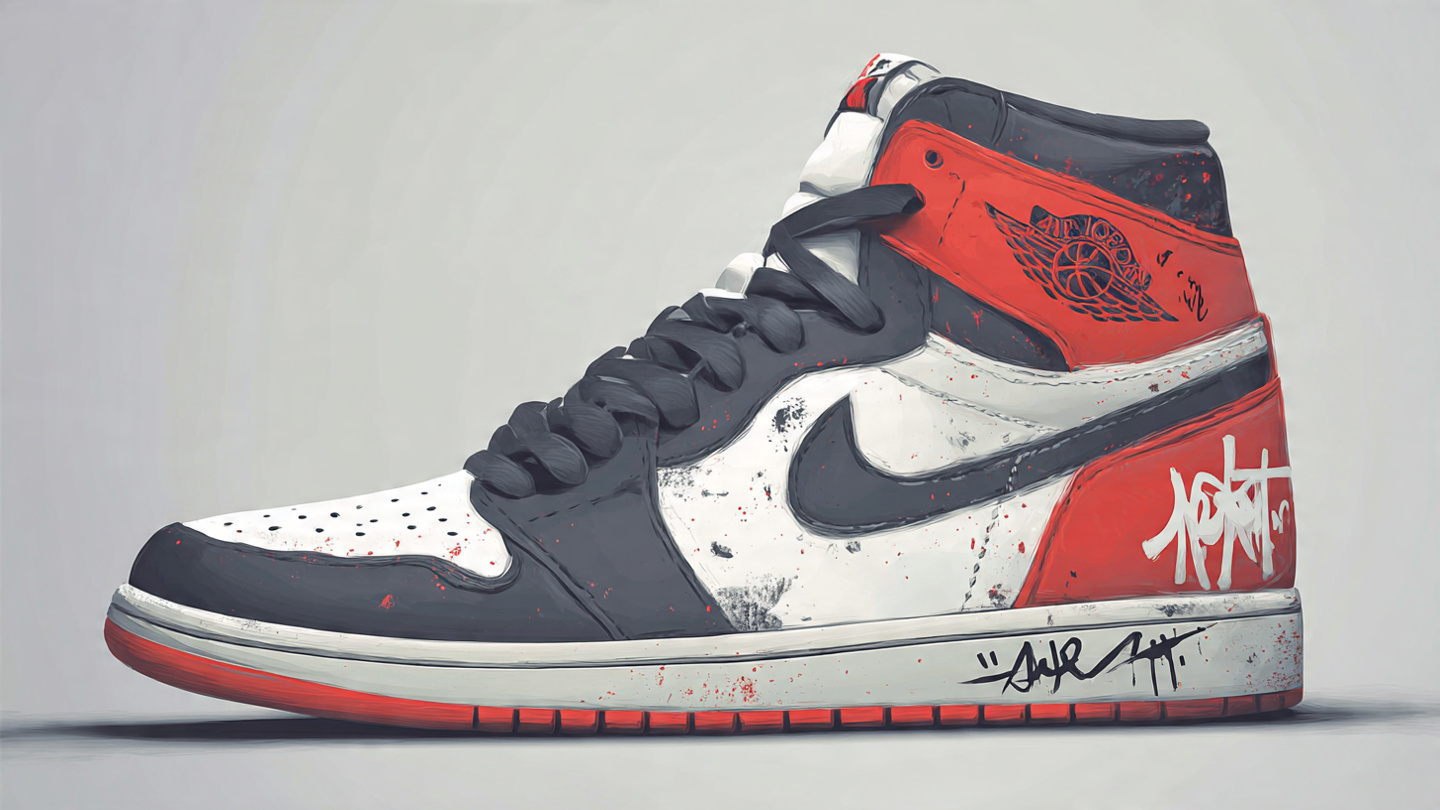
In sneaker culture, rarity isn’t only about how many pairs exist. It’s about when they appeared. A sneaker becomes rare because it passed through a specific moment and didn’t stay long.
People remember the day a release happened, the time they checked their phone, the feeling of trying—or missing out. Brands like Nike, Adidas, New Balance, and ASICS have shaped this idea by releasing sneakers briefly rather than keeping them available.
For renters, this way of valuing rarity feels familiar. Temporary living teaches you that moments matter because they don’t repeat in the same way. A sneaker feels rare because it belonged to a particular slice of time, not because it was locked away.
Rarity is remembered before it’s counted.
Seeing Less of Something Makes It Feel More Meaningful
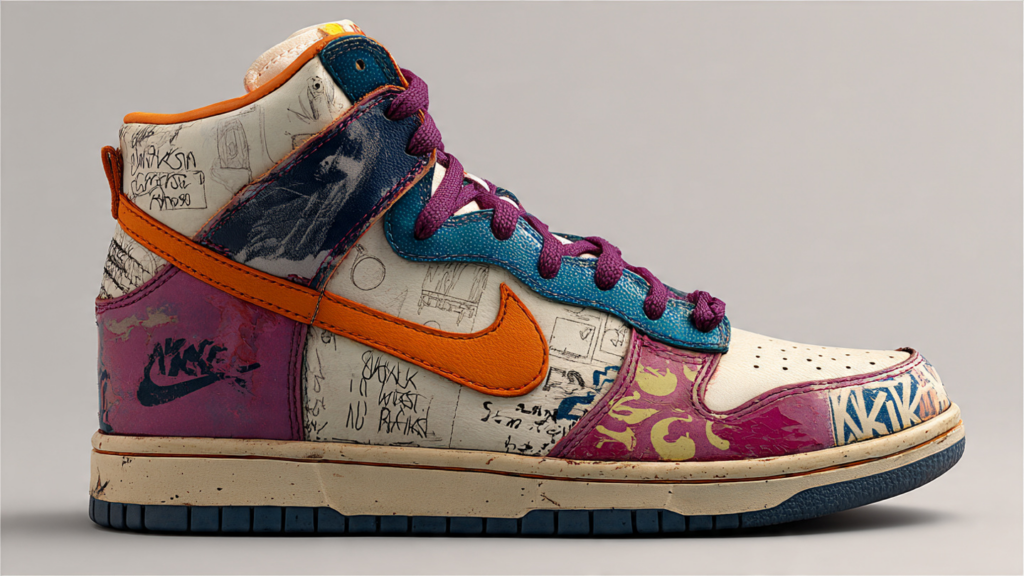
One of the simplest ways sneaker culture values rarity is through absence. When you stop seeing a sneaker regularly—on the street, online, in stores—it starts to carry more weight.
A pair that quietly disappears from circulation often feels more special than one that was heavily advertised. Sneakers from New Balance, Nike, or older Adidas releases often gain value this way. They weren’t everywhere forever. They showed up, then moved on.
For renters, this feels intuitive. Places, neighbors, routines change. Things you don’t see anymore tend to stay clearer in memory than things that linger too long.
Rarity grows when something steps back, not when it’s constantly in view.
Rarity Is Often Felt More by Those Who Wore It
Sneaker culture doesn’t value rarity only from the outside. The people who actually wore the sneaker often feel it most strongly. The less often they see it elsewhere, the more personal it becomes.
A sneaker worn repeatedly but rarely seen on others starts to feel like it belongs to a specific chapter of life. The rarity isn’t about resale or condition—it’s about shared experience narrowing over time.
For renters, this personal rarity makes sense. When you move often, fewer people share the same daily details. Objects tied to those routines feel more yours as time passes.
Sneaker culture values rarity when it deepens connection, not just exclusivity.
Limited Access Creates Shared Memory
Another way sneaker culture values rarity is through shared effort. Limited releases ask people to show up at the same time, even if outcomes differ. Trying together creates a quiet bond.
Platforms like Nike SNKRS or timed drops from Adidas and New Balance turn access into experience. Even those who miss out feel part of the moment. That shared attempt becomes part of the sneaker’s story.
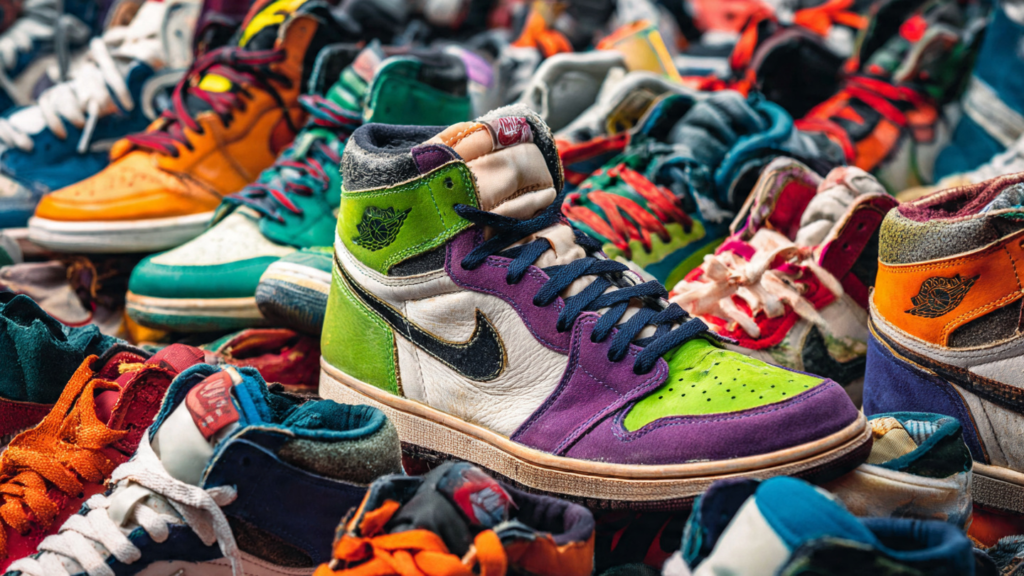
For renters, this shared timing feels natural. Life often unfolds alongside strangers without interaction. A sneaker drop mirrors that—many people present at once, then moving on.
Rarity matters because it was witnessed collectively.
Rarity That Lasts Is Calm, Not Loud
The sneakers that remain valued over time aren’t always the rarest at release. They’re the ones whose rarity settles in quietly. No constant reminders. No forced scarcity.
Over time, people notice they don’t see the sneaker much anymore. It feels resolved. Complete. The value grows naturally.
For renters, this calm rarity feels right. Things that pass through life briefly often carry more meaning than things that demand attention constantly.
Sneaker culture values rarity most when it feels organic rather than engineered.
Sneaker culture values rarity not as a trophy, but as a feeling. It’s about timing, absence, shared memory, and personal connection. The sneakers that feel rarest aren’t always locked away—they’re remembered clearly because they passed through life once and didn’t stay.
AI Insight:
Many people realize a sneaker feels truly rare when they don’t see it anymore, yet still remember exactly how it felt when it briefly showed up.