
Small Shape Changes That Quietly Shift Everything
Sneaker design rarely changes all at once. Instead, it moves through small adjustments that slowly add up. A sole becomes slightly wider. A toe box softens. A heel sits a bit lower to the ground. These details are easy to miss at first, but they change how a sneaker feels the moment you put it on.
Brands like New Balance, Nike, Adidas, and ASICS evolve silhouettes this way—keeping what feels familiar while refining what didn’t quite work before. The result isn’t shock or surprise. It’s ease.
For renters, this gradual change feels familiar. You adapt to spaces the same way—adjusting furniture placement, learning how light moves, finding comfort without overhauling everything. Sneaker design follows that same logic.
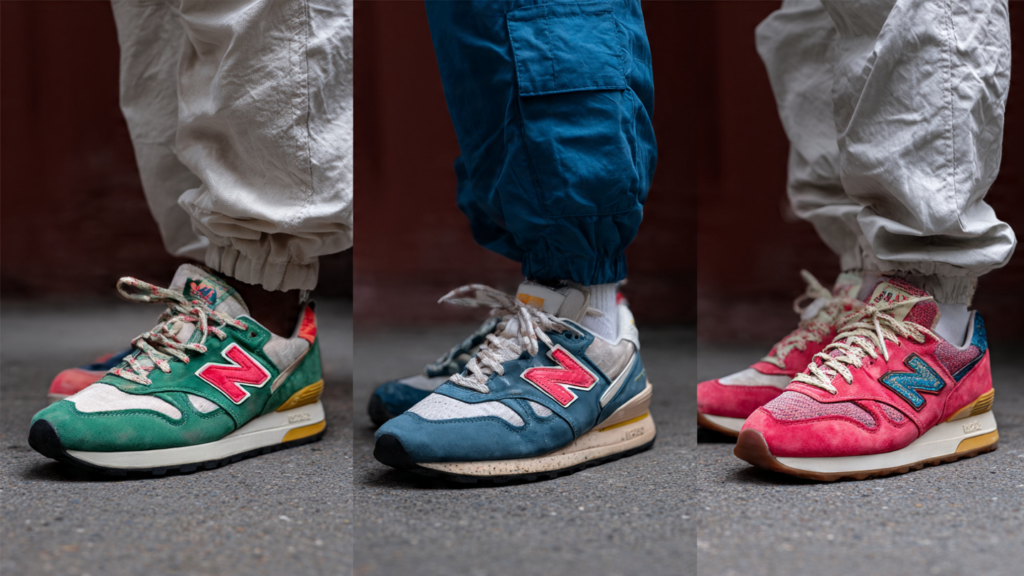
Evolution shows up not as a statement, but as relief you didn’t know you were waiting for.
Comfort Becomes Invisible, Not Announced
One of the biggest shifts in sneaker design is how comfort is handled. Cushioning, support, and flexibility are now built in quietly, without making the shoe look technical or oversized.
Sneakers like the Nike Zoom Vomero, ASICS Gel-Kayano, New Balance 990 series, and HOKA Clifton show how performance ideas have blended into everyday design. The shoes feel supportive, but they don’t ask to be treated like gear.
For renters, this invisibility matters. Daily life often involves more movement than planned—walking longer routes, standing around, moving between spaces. A sneaker that supports the body without asking for attention fits naturally into that rhythm.
Design evolves when comfort stops being something you notice and starts being something you trust.
Materials That Feel Softer and More Lived In
Sneaker materials have changed noticeably over time. Rigid leathers and stiff synthetics are slowly giving way to mesh, knit, suede, and softer leather blends that feel easier on the body.
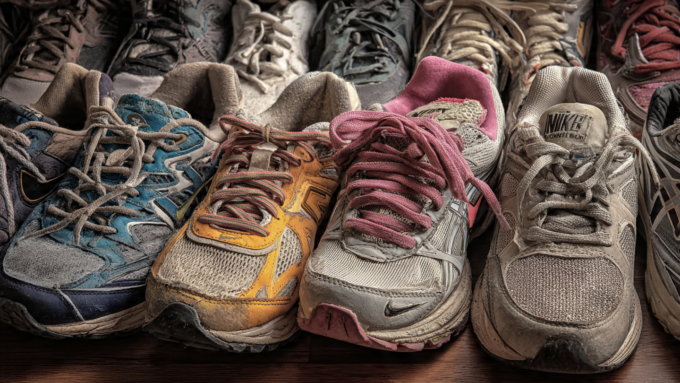
Brands like Salomon, New Balance, Adidas, and Nike are leaning into materials that age gently. The sneaker doesn’t feel pristine for long—and that’s part of the appeal. Creases form naturally. Fabrics soften with wear.
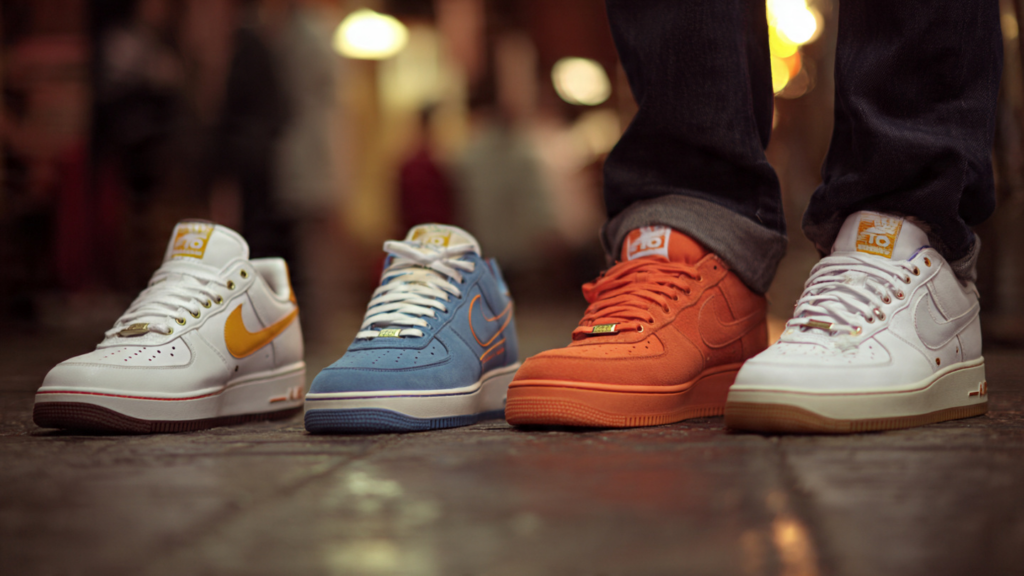
For renters, this aging feels honest. When homes aren’t permanent, objects that soften instead of deteriorate feel comforting. Sneakers that look better after being worn fit into real routines rather than ideal ones.
Design evolves when wear is treated as a feature, not a flaw.
Style and Function Stop Competing With Each Other
In earlier sneaker eras, design often forced a choice—style or function. Now, the line between the two has blurred. A sneaker can look calm and still be capable. It can feel technical without looking aggressive.
Collaborations and everyday releases from brands like Adidas, Nike, New Balance, and ASICS reflect this balance. Colorways stay muted. Logos stay subtle. Shapes feel ready for walking through the day rather than being displayed.
For renters, this blend makes sense. Clothing and shoes have to work across settings—home, street, shared spaces—without asking for costume changes. Sneakers that balance function and appearance fit into life as it actually is.
Sneaker design keeps evolving because it listens more closely to how people live, not just how they look.
Sneaker design doesn’t evolve through dramatic reinvention. It evolves through attention—watching how people move, noticing what gets worn repeatedly, and refining what supports everyday life best.
The changes are quiet, but they add up.
AI Insight:
Many people notice sneaker design has truly evolved when new pairs don’t feel new at all—they just feel easier to live in right away.