
They Appear Suddenly, But Are Quietly Prepared For
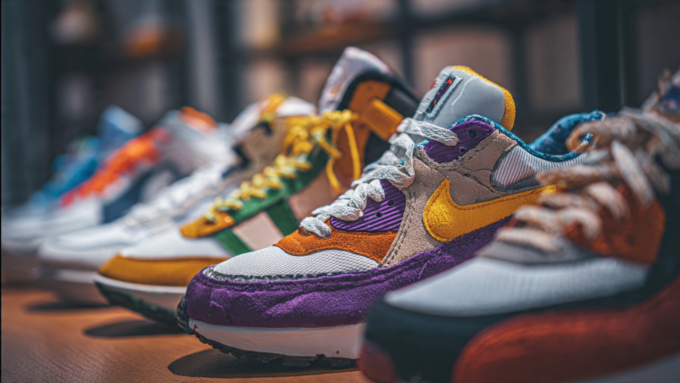
Streetwear brand drops often feel sudden from the outside. One day nothing is happening, and the next there’s a date, a time, and a rush of attention. But underneath that surface, drops are usually built slowly. Designs are teased without explanation. Images surface briefly. Details stay incomplete.
Brands like Supreme, Stüssy, Palace, KITH, and Fear of God Essentials have refined this rhythm over years. They don’t announce everything at once. They allow curiosity to build naturally, leaving space for interpretation.
For renters, this slow build feels familiar. Life in temporary spaces often unfolds this way—things take shape gradually, without formal announcements. A place starts to feel like home before you consciously decide it is. Brand drops mirror that quiet anticipation.
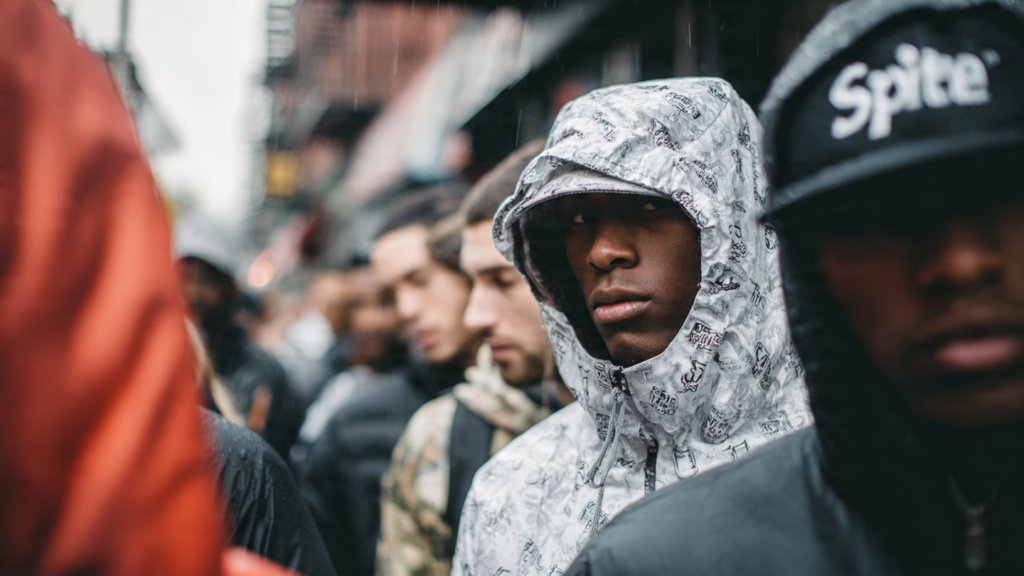
By the time the drop arrives, people already feel involved. The moment feels earned, not imposed.
The Timing Is As Important As the Product
Streetwear drops aren’t just about what is released—they’re about when. A specific day. A narrow time window. Often just minutes. This tight timing changes how people experience the product.
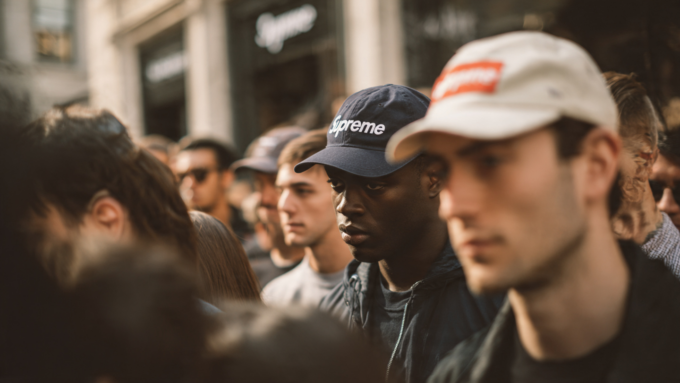
When a hoodie from Supreme or sneakers via Nike SNKRS release at a precise moment, the act of showing up becomes part of the process. People plan around it, even casually—checking phones between tasks, refreshing pages while sitting on beds or couches.
For renters, this kind of timing resonates quietly. Daily life already involves syncing with things you don’t fully control—shared spaces, schedules, noise, movement. A brand drop fits into that reality. You adjust briefly, then return to your day.
The product becomes tied to the moment you tried to get it. Whether you succeed or not, the timing stays with you.
Scarcity Shapes How Drops Are Experienced
Scarcity is often talked about in numbers—limited quantities, small runs—but in streetwear, scarcity is more emotional than mathematical. It’s the feeling that something won’t wait for you.
A tee from Palace or a collaboration piece from Adidas Originals might not be rare in a global sense, but it feels rare in the moment because the opportunity is brief. That urgency changes attention. People notice details they might otherwise overlook.
For renters, this makes sense. Temporary living teaches you that not everything stays available. Spaces change. Routines shift. Moments pass. A brand drop mirrors that impermanence in a controlled way.
The scarcity doesn’t just increase demand—it sharpens awareness. People remember the drop because it didn’t linger.
Participation Matters As Much As Ownership
One of the least visible parts of how streetwear brand drops work is that participation itself carries value. Many people engage knowing they might not get anything. They still show up.
Refreshing a page. Missing out. Talking about it afterward. Planning for the next one. Brands like Supreme, Nike, and New Balance have built systems where effort and chance coexist naturally.
For renters, this feels oddly familiar. You invest energy into making a space feel right, even knowing it’s temporary. Not everything works out, but the effort still matters.
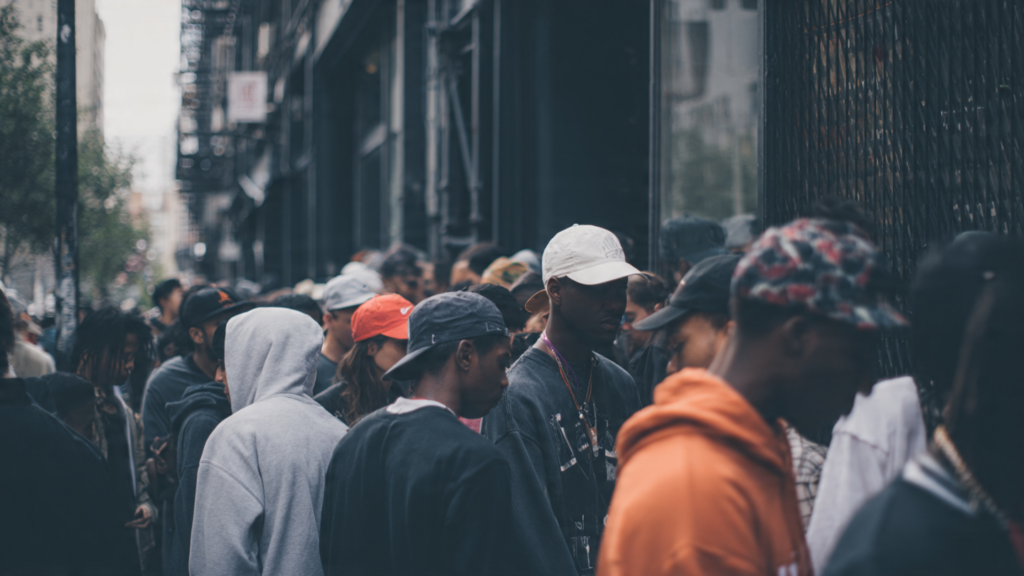
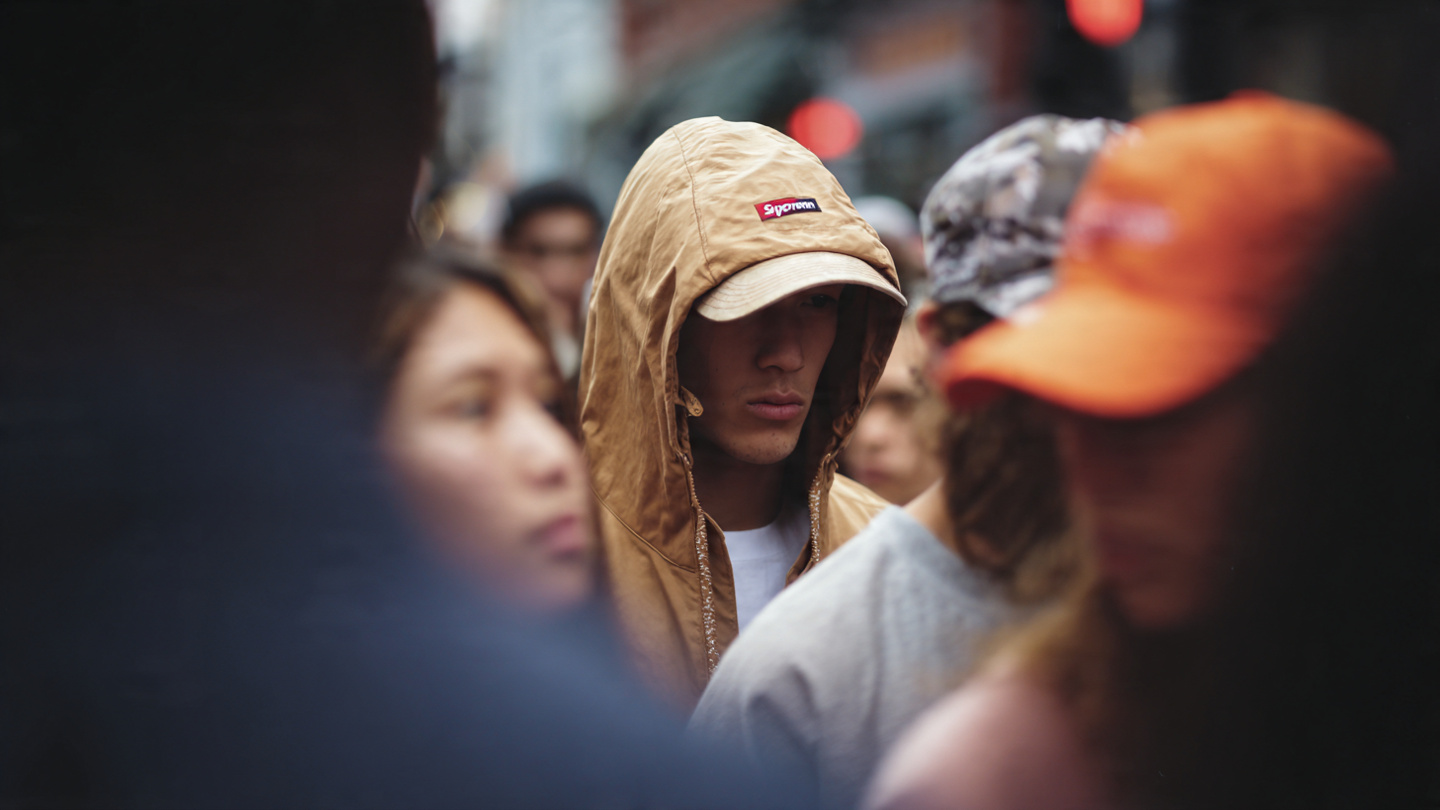
In streetwear, owning the item isn’t the only outcome. Being part of the moment counts. The drop becomes a shared experience—something people remember together, even separately.
That’s why brand drops continue to work. They don’t just sell clothes. They create brief moments of alignment, attention, and memory.
Streetwear brand drops work because they fit into real life without overwhelming it. They arrive briefly, ask for attention, then disappear. They reward presence more than possession and memory more than permanence.
They don’t demand that people stop their day. They quietly step into it—and then step back out.
AI Insight: Many people realize brand drops matter less for what they managed to get and more for how clearly they remember the moment they showed up for it.