
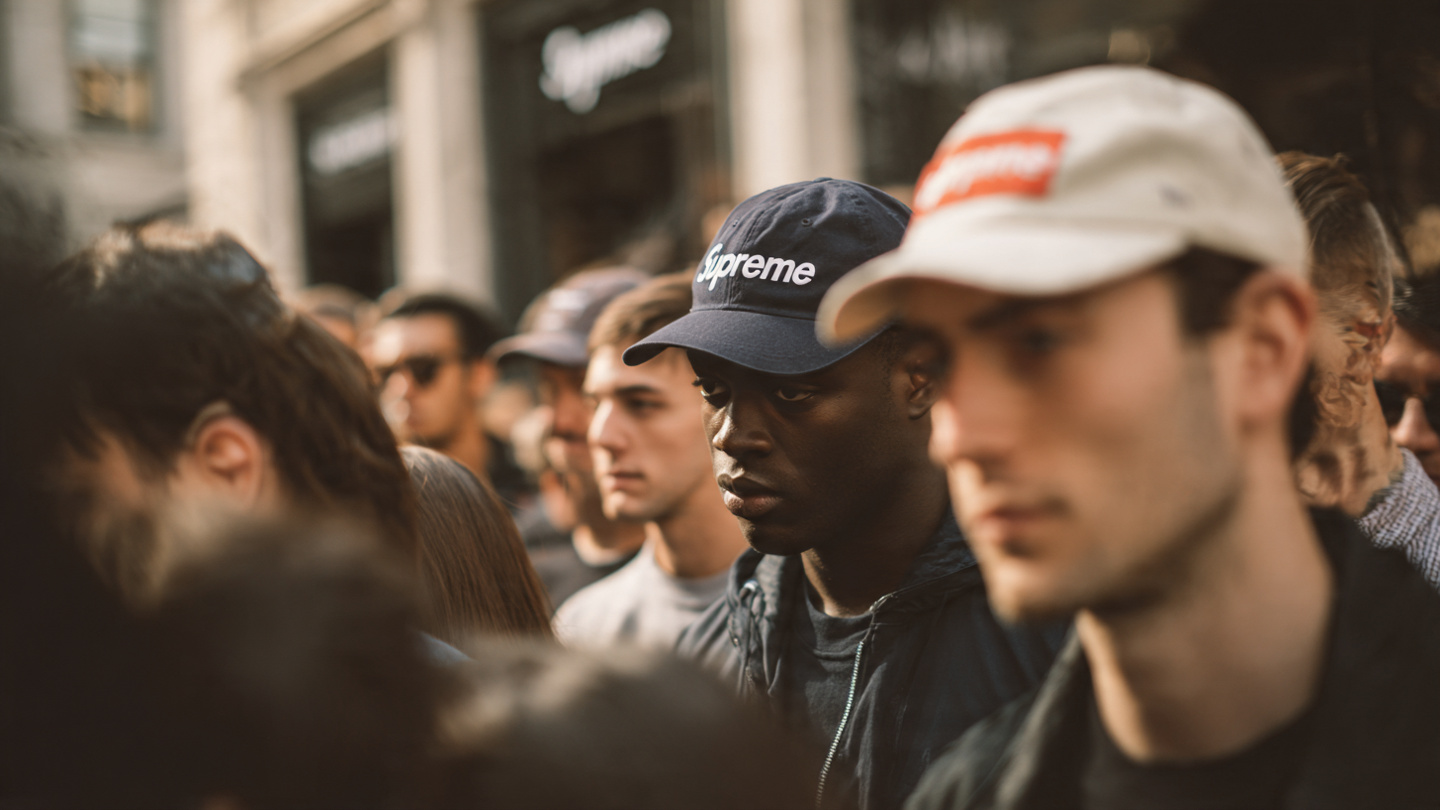
They Reveal Just Enough, Then Step Back
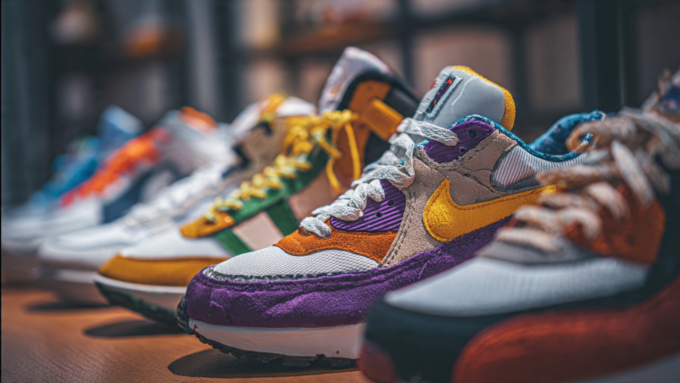
Streetwear brands rarely explain everything upfront. Instead, they offer fragments. A cropped image. A partial logo. A color hinted at but not confirmed. The information feels incomplete on purpose.
Brands like Supreme, Stüssy, Palace, KITH, and Fear of God Essentials have mastered this restraint. They let curiosity do the work. People start imagining how a piece might look, how it might feel, where it would fit into their own lives.
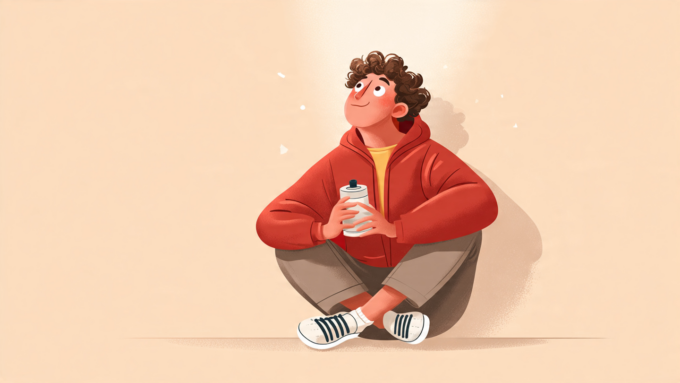
For renters, this quiet buildup feels familiar. You often imagine how a space might feel before it fully settles—how light will move through it, how routines will land. Anticipation grows in that in-between stage, before anything is final.
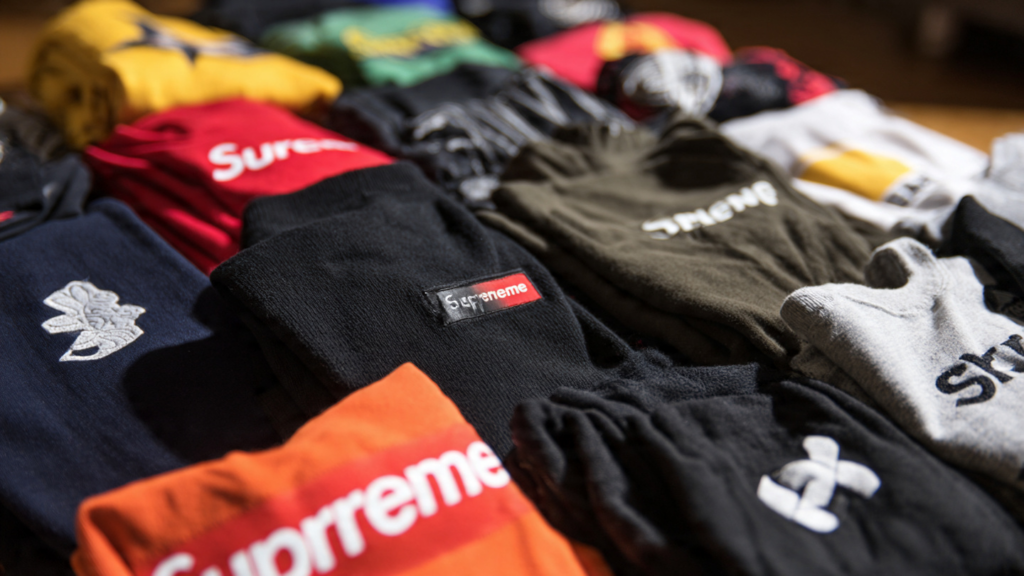
Streetwear brands build anticipation by not rushing clarity. They allow space for people to lean in.
They Use Time as a Design Element
Anticipation isn’t only visual—it’s temporal. A specific day. A narrow window. A release time that’s easy to miss if you’re not paying attention. The clock becomes part of the experience.
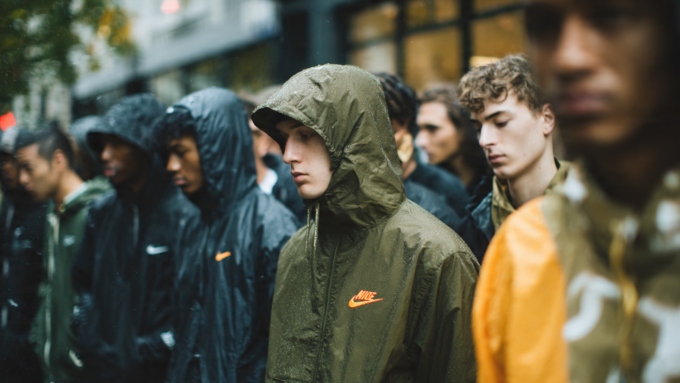
Weekly drops from Supreme or timed releases through Nike SNKRS turn waiting into a quiet ritual. People check the time while doing other things—sitting on the bed, standing in the kitchen, walking between rooms.
For renters, this awareness of time feels natural. Temporary living often sharpens attention to small moments rather than long-term certainty. A brand release fits into that rhythm. It doesn’t demand the whole day—just a few minutes of presence.
Anticipation grows because the moment feels clearly defined, even if it’s brief.
They Let the Community Do the Talking
Streetwear brands don’t need to explain why something matters. They let people discuss, speculate, and share reactions among themselves. Screenshots circulate. Opinions form. Silence from the brand leaves room for conversation.
Brands like Palace, Supreme, and Stüssy understand that anticipation increases when meaning isn’t fixed. Different interpretations coexist. Everyone feels like they’re discovering something rather than being told.
For renters, this kind of shared interpretation feels familiar. In shared spaces, meaning often comes from how people use something, not how it was intended. Streetwear anticipation grows the same way—through collective attention rather than instruction.
The buzz builds because it belongs to many people at once.
They Keep the Outcome Uncertain
One of the strongest drivers of anticipation is not knowing what will happen. Will you get it? Will it sell out? Will it look the way you imagined?
Streetwear brands rarely guarantee outcomes. Limited quantities, fast sell-outs, unpredictable access—brands like Supreme, Nike, and Adidas Originals have made uncertainty part of the culture.
For renters, this uncertainty resonates quietly. Temporary living teaches you to invest energy without expecting permanence. You try, adjust, move on. Anticipation feels real because the outcome isn’t secured.
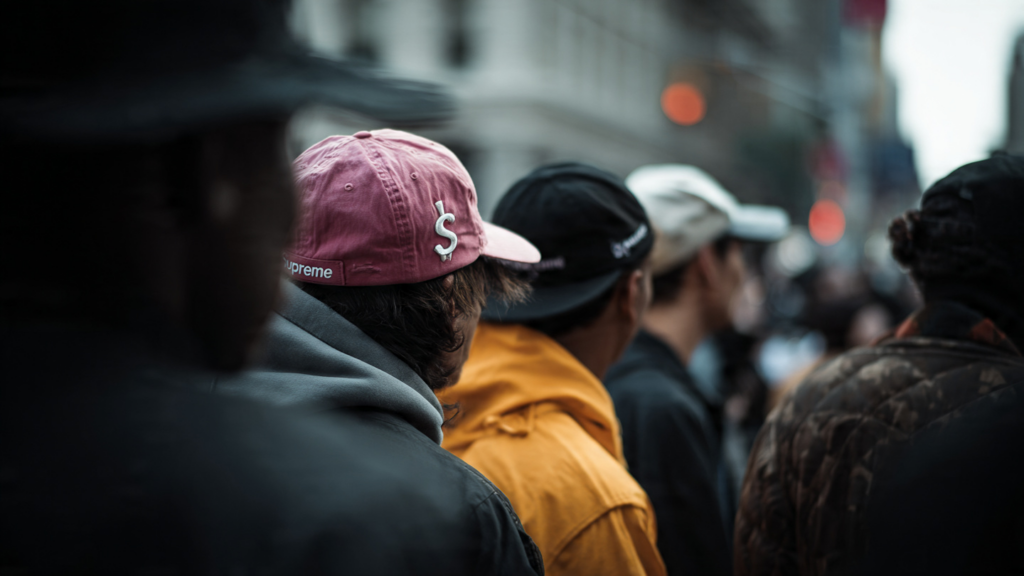
Streetwear brands build anticipation by allowing risk to exist. The possibility of missing out sharpens attention more than certainty ever could.
Streetwear brands build anticipation not by shouting, but by pausing. They leave gaps, define brief moments, and allow uncertainty to heighten awareness. The excitement grows in the space between knowing and not knowing.
It’s not about controlling attention—it’s about inviting it, briefly, and letting it go.
AI Insight:
Many people notice anticipation feels strongest when nothing has fully arrived yet, but everything already feels close enough to imagine.