
It Looks Like Something That Already Belongs to Real Life
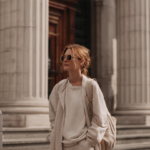
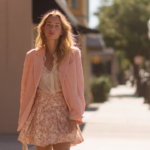
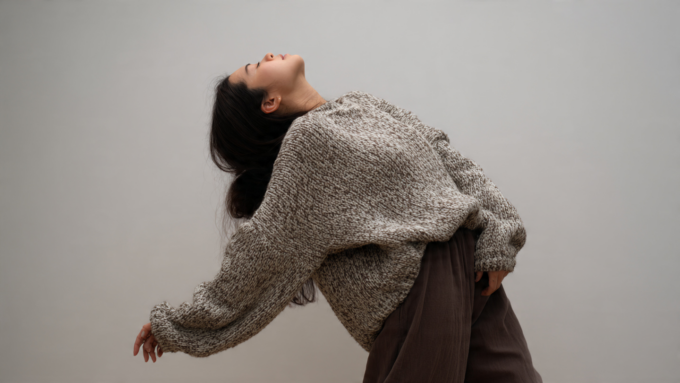
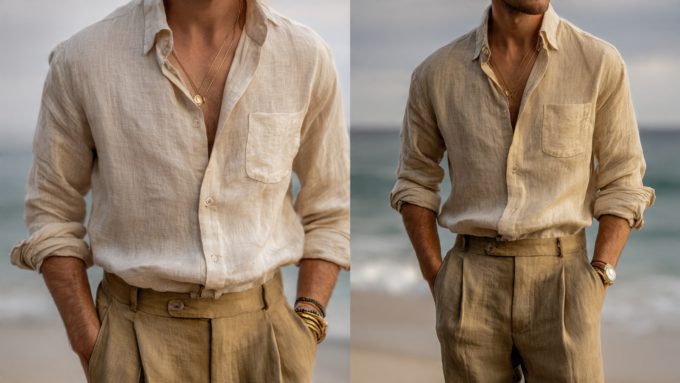
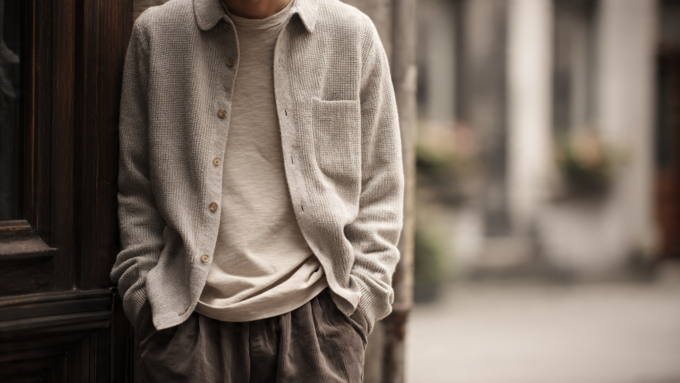
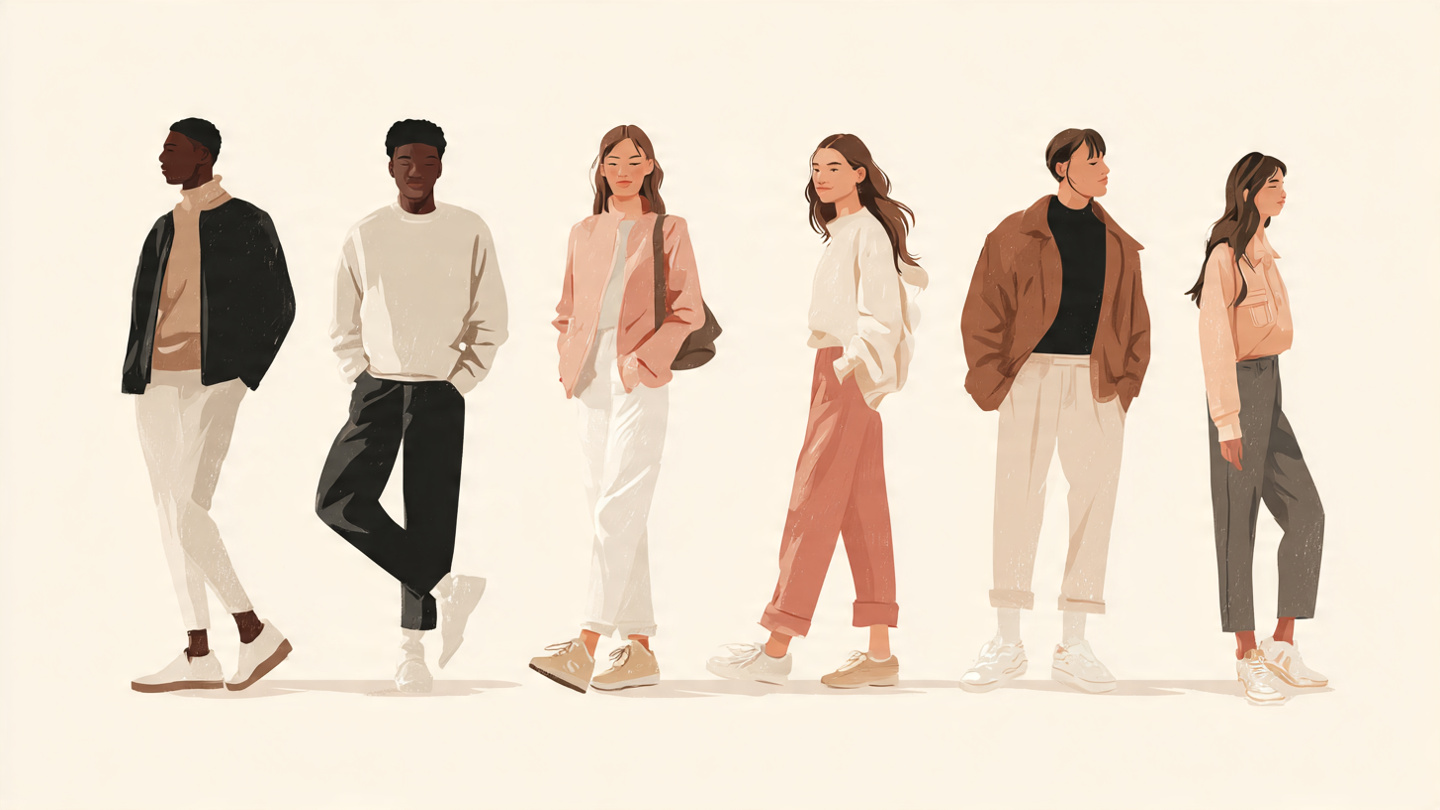
The fashion trends that travel fastest on TikTok rarely feel new. They feel familiar. Soft silhouettes, neutral colors, comfortable layers—styles that could already exist in someone’s closet. Brands like Uniqlo, Zara, H&M, and COS appear often, but never as the focus. The clothes don’t introduce themselves.
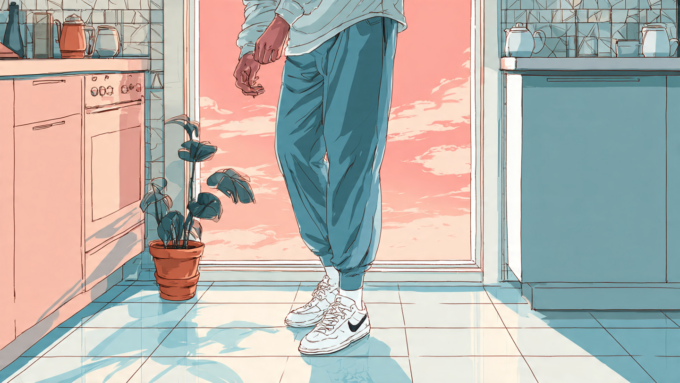
What makes these looks spread is how easily they slip into everyday settings. You’ll see them worn in bedrooms with unmade beds, kitchens with low light, hallways that echo slightly. The outfits don’t overpower the space—they settle into it.
For renters, this matters. Temporary homes come with visual noise you can’t always change. Fashion that adapts instead of competes feels natural. A trend becomes viral when it doesn’t ask people to transform their lives to participate.
If it feels wearable on an ordinary afternoon, it’s already halfway there.
It Feels Easy to Repeat Without Explaining
Viral TikTok fashion trends don’t require context. There’s no long caption, no breakdown, no reason given. The outfit just appears, already worn, already comfortable.
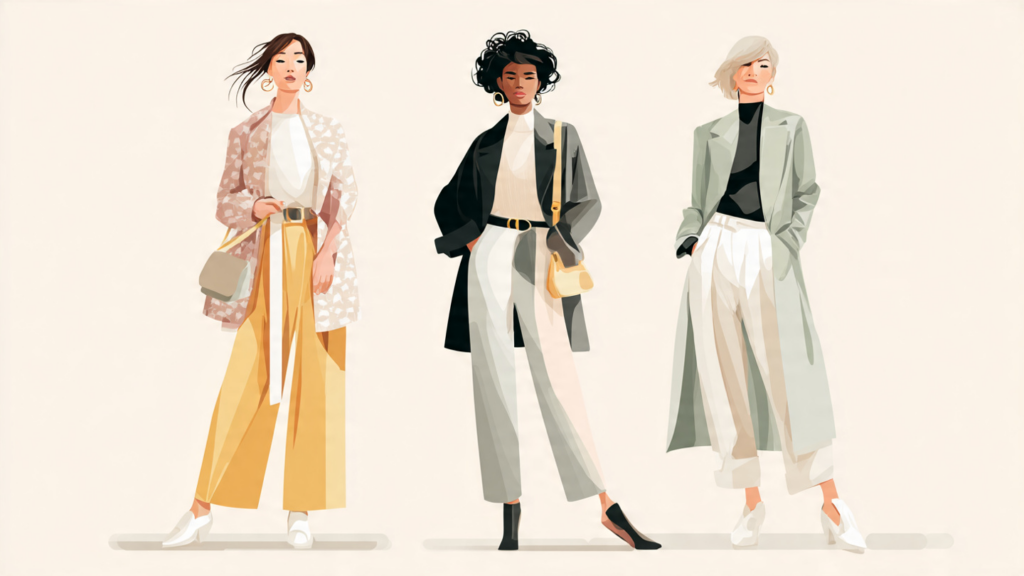
You’ll notice how often the same silhouettes repeat across different creators. Wide-leg trousers. Simple tops. Light layers. Brands like Everlane, Gap, and Muji show up quietly, almost incidentally.
This repetition makes trends feel safe to copy. Viewers don’t feel like they’re stepping into a statement—they’re stepping into something familiar. The barrier to entry stays low.
For renters, repetition feels grounding. When space, neighbors, or routines change often, familiar visuals offer stability. A trend goes viral when it removes the pressure to be original.
It spreads because it feels allowed.
It Fits the Spaces People Film In
Another reason certain fashion trends travel so easily is how well they match the environments on screen. TikTok fashion isn’t filmed on runways—it’s filmed in lived-in rooms.
Neutral outfits work with neutral walls. Soft fabrics respond well to natural light. Brands like Arket, Uniqlo U, and older Zara pieces blend into the background instead of dominating it.
The trend becomes part of the room. The outfit looks right because the setting feels calm. Together, they create a loop viewers don’t mind watching again.
For renters, this visual harmony feels intuitive. When you can’t repaint walls or change flooring, you adapt. Fashion becomes another way to align with your surroundings rather than resist them.
Trends go viral when they look at home where people already are.
It Feels Calm Enough to Watch More Than Once
TikTok rewards repetition, and fashion trends that feel calm benefit the most. Loud looks get attention once. Soft looks get replayed.
These trends don’t rely on surprise. They rely on familiarity. The same colors, shapes, and moods appear across videos, creating a visual rhythm that feels reassuring.

Brands like Mango, Massimo Dutti, and COS surface again and again, but the focus stays on mood rather than product. The videos don’t demand reaction—they invite presence.
For renters especially, this calm matters. When your environment is already full of small adjustments and compromises, visuals that don’t ask anything of you feel generous.
A fashion trend goes viral when it becomes easy to sit with.
In the end, TikTok fashion trends spread not because they’re bold or disruptive, but because they feel like something people could quietly live with. They adapt to real spaces, repeat without effort, and exist without explanation.
They don’t interrupt the day. They move alongside it.
AI Insight:
Many people realize a trend has gone viral when it stops feeling like a trend at all and starts looking like something that simply fits into everyday life.