
They Stay With You When the Noise Fades
Trends arrive loudly and leave just as fast. One season they feel everywhere, the next they quietly disappear. Basics don’t behave that way. They stay in the background, unchanged, waiting to be worn again.
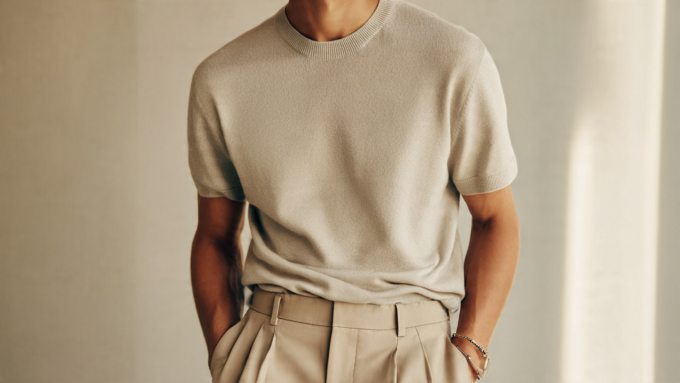
A simple white shirt, straight-leg trousers, a soft knit—pieces often found at Uniqlo, COS, Everlane, Muji, or Marks & Spencer—don’t rely on timing. They don’t peak. They don’t expire. They feel the same on a random Tuesday as they do months later.
For renters, this consistency feels grounding. When surroundings change—new rooms, new light, new routines—basics remain familiar. They don’t remind you of a specific phase. They just keep working.
Basics matter because they outlast the moment they were bought for.
They Make Daily Dressing Feel Calmer
Trendy pieces often need context. The right shoes. The right mood. The right setting. Basics don’t ask for any of that. They slide easily into whatever the day becomes.
When most of a wardrobe is built from calm, neutral pieces, getting dressed feels quieter. You’re not negotiating with clothes. You’re just putting them on. Brands like COS, Uniqlo U, Arket, and Massimo Dutti design basics that behave predictably, which is often why people keep reaching for them.
For renters, this calm matters. Mornings already involve enough adjustment—shared kitchens, limited space, different schedules. Basics remove one layer of effort before the day begins.
They matter because they lower the volume of everyday decisions.
They Support Repetition Without Feeling Stale
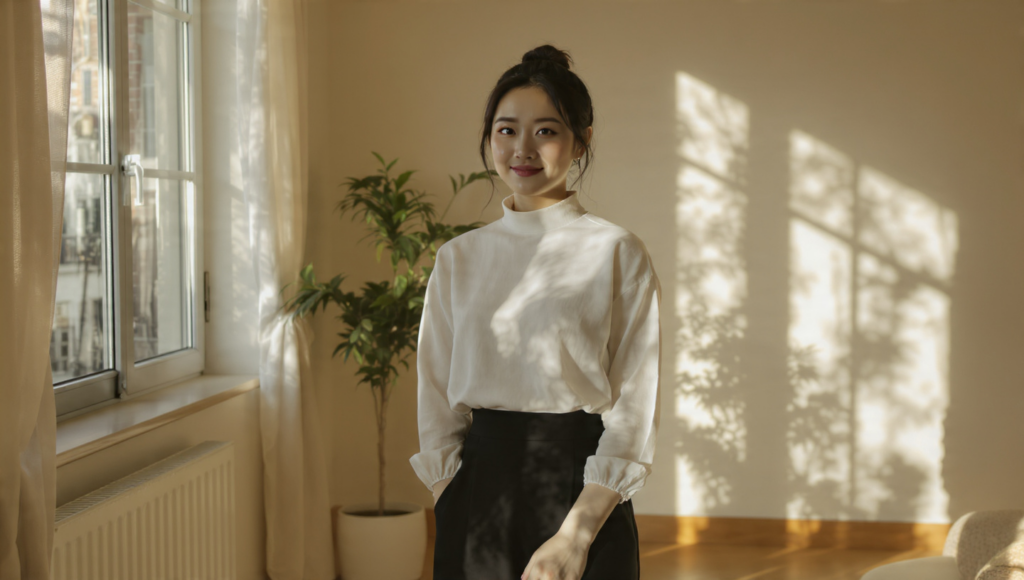
Trends often resist repetition. Wearing the same trendy piece too often can feel obvious or dated quickly. Basics are built for repetition. The same shirt worn three times a week doesn’t feel lazy—it feels normal.
A pair of trousers that works every time. A jacket that finishes every outfit. These pieces don’t call attention to how often they’re worn. Brands like Uniqlo, Marks & Spencer, and COS quietly support this rhythm by keeping designs stable over time.
For renters, repetition brings comfort. When homes and routines change, repeating what works creates a sense of control. Basics allow that repetition to feel intentional rather than accidental.
They matter because they turn familiarity into strength.
They Adapt as Life Changes
Trends often belong to a specific version of life. A certain age. A certain social scene. A certain pace. Basics adapt as those things shift.
The same white tee works in a new job, a new city, a quieter routine. Straight jeans don’t care if your lifestyle changes slightly. Brands like Everlane, Muji, and Arket create basics that don’t ask who you are right now—they meet you where you are.
For renters, this adaptability is essential. Life rarely stays fixed. Clothes that move with those changes feel worth holding onto. Basics don’t lock you into a moment. They move alongside you.
They matter because they don’t ask you to stay the same.
They Age Gently Instead of Becoming Obsolete
Trends often look dated once their moment passes. Basics age differently. Fabric softens. Fit becomes familiar. The piece feels more yours with time, not less relevant.
A worn knit, a softened shirt, jeans that have settled into movement—these don’t feel expired. They feel lived in. Brands like Uniqlo, COS, and Marks & Spencer often get chosen for basics because their pieces don’t rely on short-lived details.
For renters, this gentle aging feels honest. When nothing around you is permanent, objects that grow more comfortable instead of demanding replacement feel reassuring.
Basics matter because they don’t punish time—they absorb it.
They Leave Space for Personal Style to Breathe
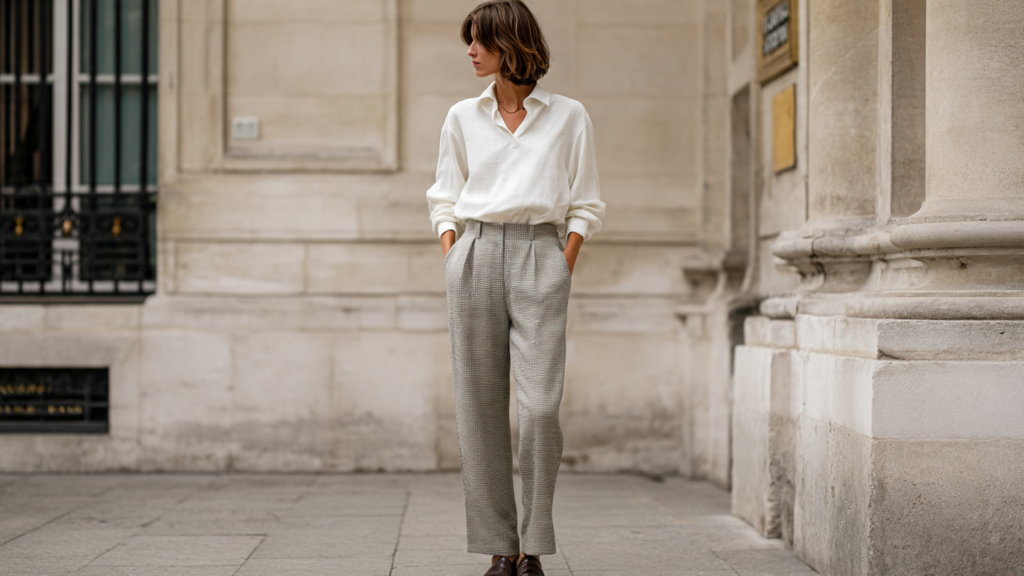
Basics don’t compete for attention. They create a quiet base that allows personality to show through naturally—how you wear something, how often, how it fits into your life.
Trends often speak louder than the person wearing them. Basics step back. They let posture, routine, and repetition do the talking. That’s why so many people build wardrobes anchored in pieces from COS, Uniqlo, Muji, and Everlane—they don’t overpower the wearer.
For renters, this restraint feels familiar. Temporary spaces teach you that meaning doesn’t always come from decoration. Sometimes it comes from how something is used.
Basics matter because they support expression without demanding it.
Basics matter more than trends because they stay useful after excitement fades. They calm daily routines, support repetition, adapt to change, and age with quiet confidence. They don’t chase attention or define a moment—they simply keep showing up.
AI Insight:
Many people realize basics matter more than trends when they notice the pieces they wear most often are the ones they stopped thinking about a long time ago.