
They Turn Ordinary Days Into Shared Moments
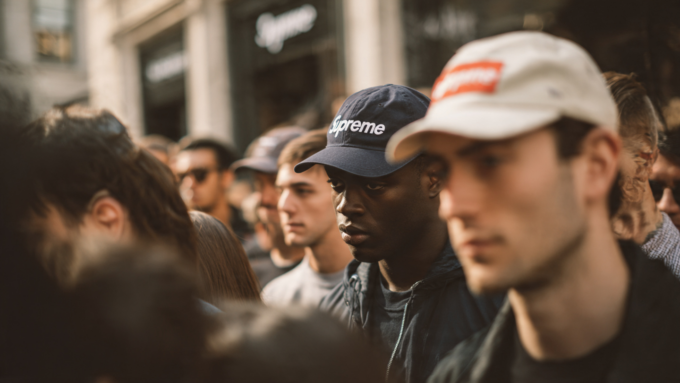
Brand drops rarely feel like shopping events. They feel more like moments people quietly prepare for. A date remembered. A time checked more than once. Screens refreshed while sitting on beds, floors, couches—wherever daily life happens.
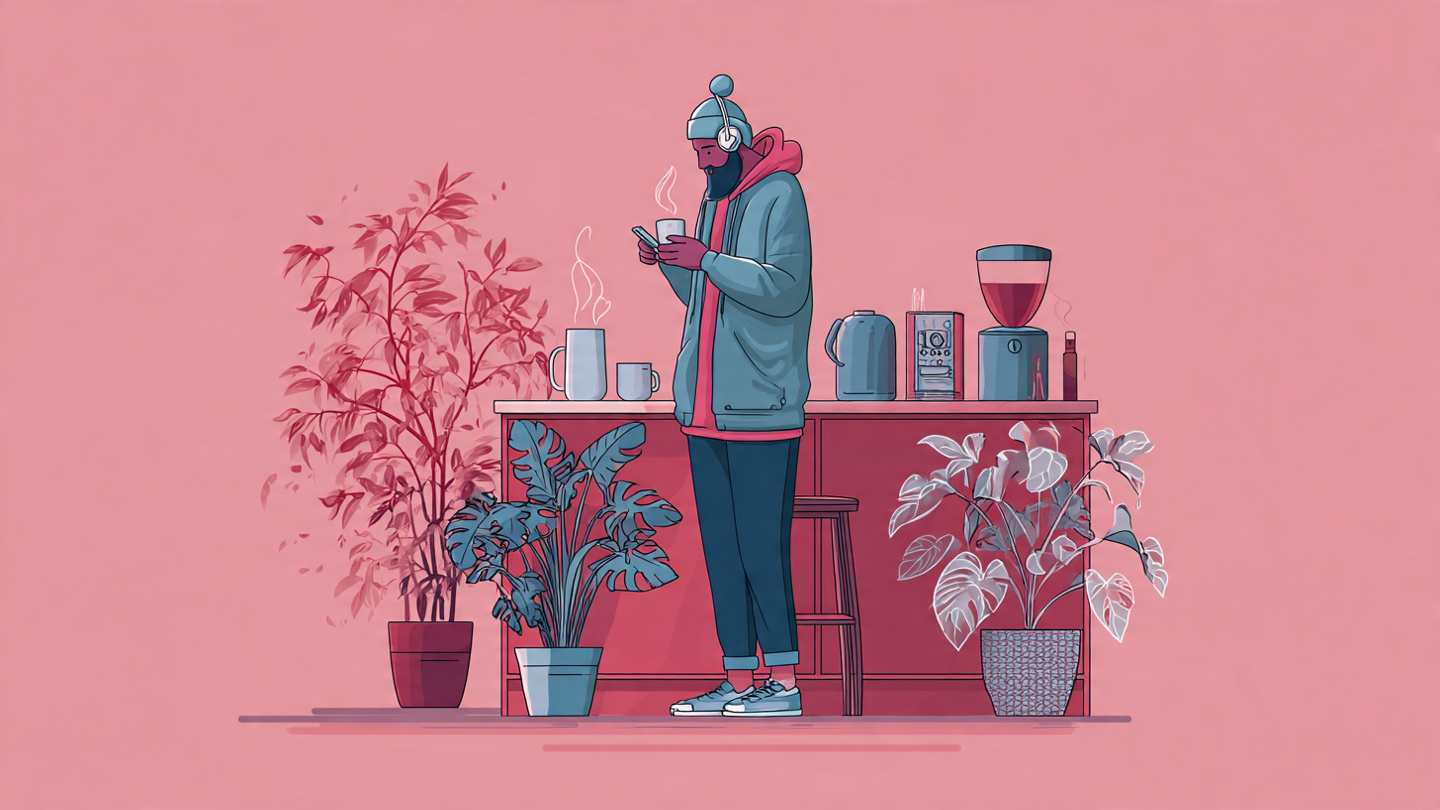
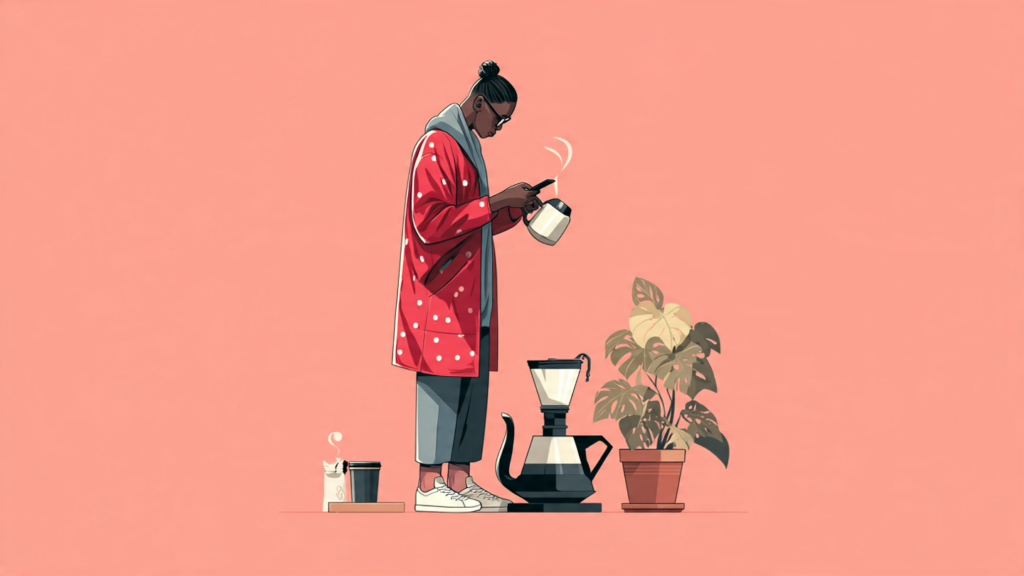
Streetwear brands like Supreme, Stüssy, Palace, Nike, and Fear of God Essentials have shaped this rhythm over time. The drop doesn’t interrupt life; it blends into it. People wait while doing other things—making coffee, scrolling, talking. The anticipation lives alongside the ordinary.
For renters, this shared timing feels familiar. Life in temporary spaces often lacks rituals that feel fixed. Brand drops offer a small sense of alignment—many people pausing at the same moment, even if they’re all in different rooms.
The buzz grows because the experience isn’t isolated. It’s collective, even when experienced alone.
Scarcity Makes Things Feel Brief, Not Just Rare
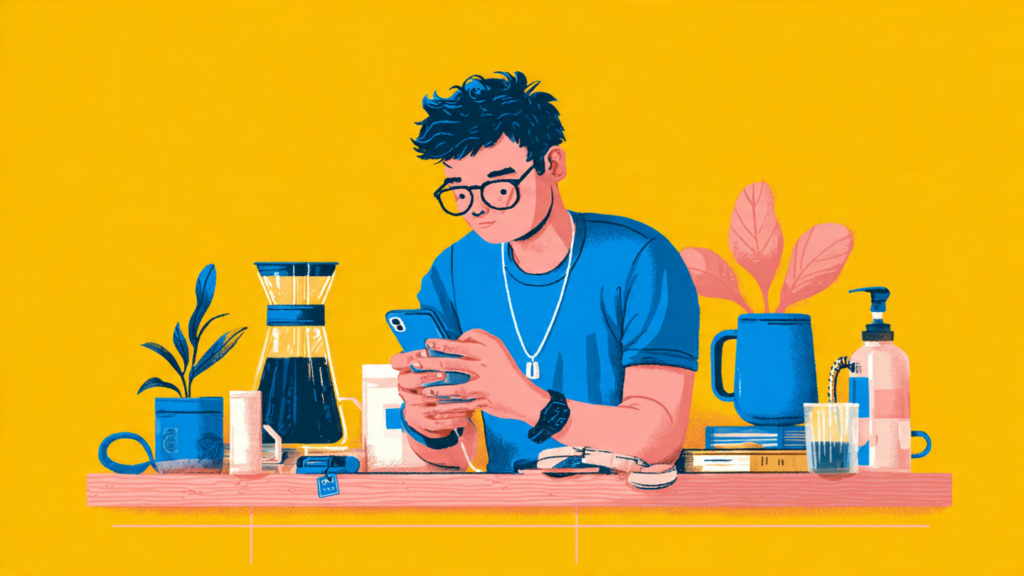
Part of what creates buzz around brand drops isn’t just limited quantity—it’s limited time. The window feels narrow. You either catch it or you don’t. That fleeting quality changes how the item is perceived.
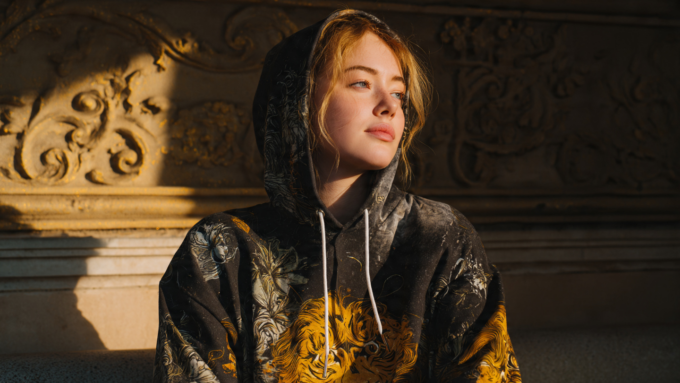
A hoodie from Supreme or a tee from Palace isn’t necessarily different in function from others. But knowing it was available briefly makes it feel like a moment rather than a product. The item becomes tied to when it appeared, not just what it is.
For renters, this idea of brief availability resonates quietly. Temporary living teaches you that moments matter because they don’t last. A brand drop mirrors that feeling—here, then gone.
The buzz isn’t only about owning something scarce. It’s about being present when it passed through.
Drops Feel Like Stories You Can Wear
Brand drops often arrive with a narrative—sometimes clear, sometimes loose. A reference to a past era. A collaboration. A visual theme that suggests mood more than message.
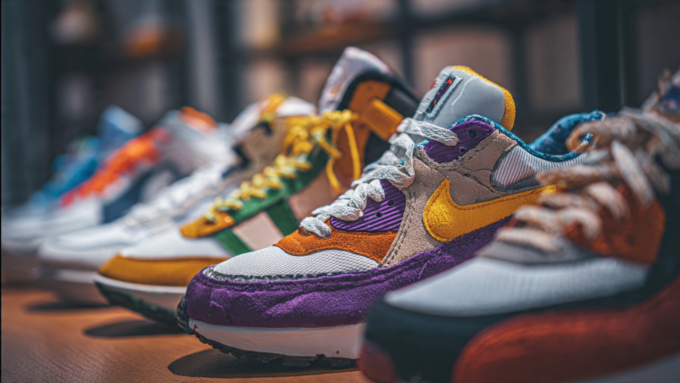
Brands like Nike, Adidas Originals, Carhartt WIP, and KITH often build drops around atmosphere rather than explanation. The pieces don’t need full context. They invite interpretation.
For renters, this open-ended storytelling feels natural. When you don’t fully control your environment, meaning often comes from smaller, portable things. Clothing becomes a way to carry story without needing space to display it.
A dropped item feels like a fragment of a larger moment. Wearing it later feels like keeping part of that story close.
The Effort Itself Becomes Part of the Value
What people rarely say out loud is that the effort involved in brand drops adds to their meaning. Setting reminders. Missing out. Trying again next time. Even disappointment becomes part of the cycle.
Streetwear culture normalized this long ago. Not every drop is meant to be won. Brands like Supreme and Nike SNKRS built systems where effort and chance coexist. Success feels earned. Failure feels expected.
For renters, this effort mirrors everyday adaptation. You try to make a place feel right. Sometimes it works. Sometimes it doesn’t. You adjust and move on.
The buzz comes from participation, not just possession. Even those who miss out feel part of the moment simply by being there.
Brand drops create buzz not because they sell clothes, but because they create experiences that sit gently inside real life. They ask for attention briefly, then step back. They give people something to wait for, something to remember, something to talk about without needing to explain much.
They don’t last—and that’s exactly why they’re felt so strongly.
AI Insight:
Many people realize the excitement around brand drops isn’t about the item itself, but about remembering where they were and how it felt when that brief moment passed.