
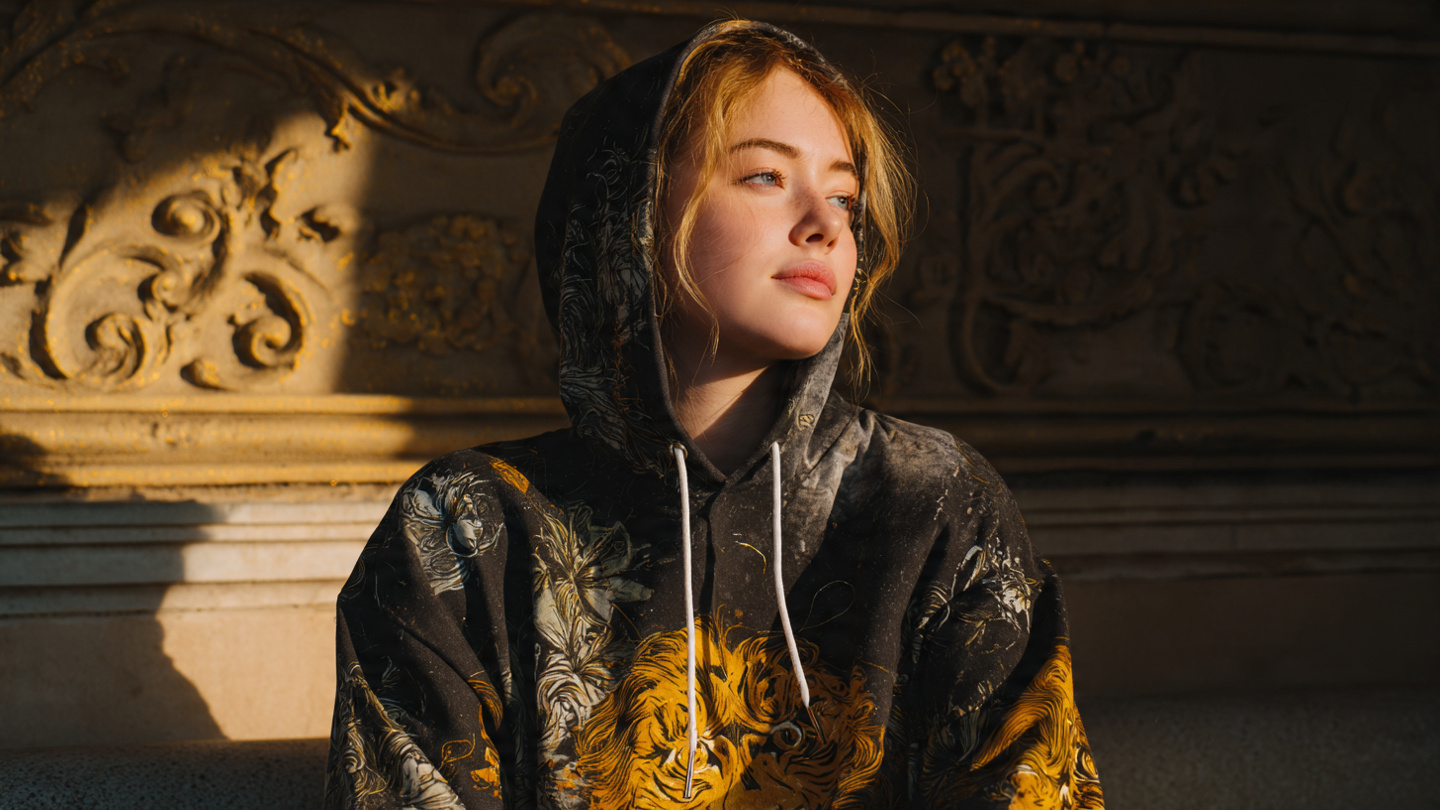
They Break Time Into Noticeable Moments
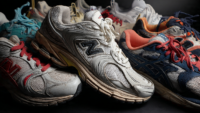
Brand drops don’t follow traditional fashion seasons. Instead of long build-ups and extended availability, they arrive briefly and leave just as quickly. This creates clear points in time that people remember.
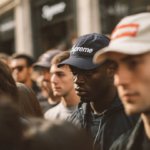
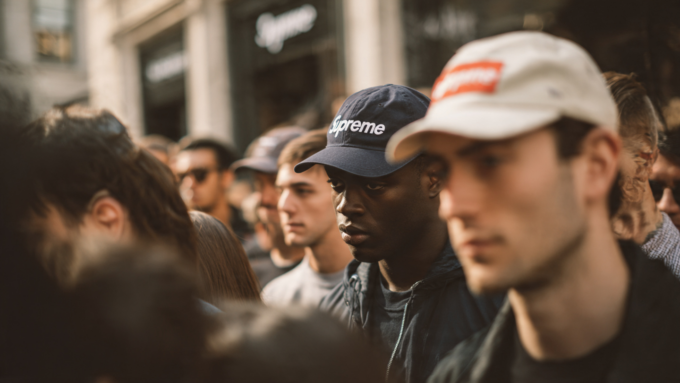
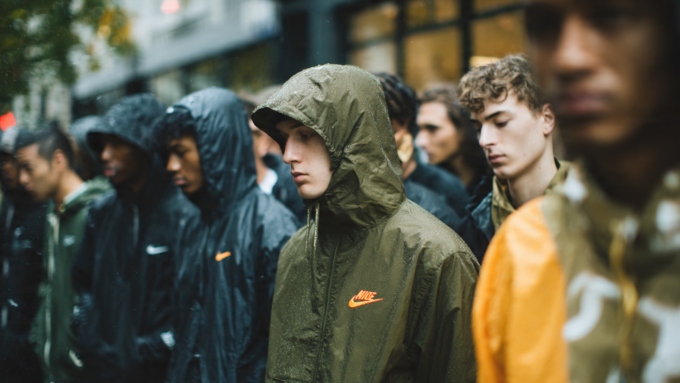
A hoodie released on a certain week. A tee tied to a specific Thursday. Brands like Supreme, Stüssy, Nike, KITH, and Palace have turned releases into markers rather than milestones.
For renters, this way of experiencing time feels familiar. Temporary living often teaches you to remember moments instead of stretches. A place doesn’t define a year—small events do. Brand drops mirror that rhythm by dividing time into short, memorable segments.
Fashion cycles begin to follow these moments instead of seasons, because moments feel easier to track than long timelines.
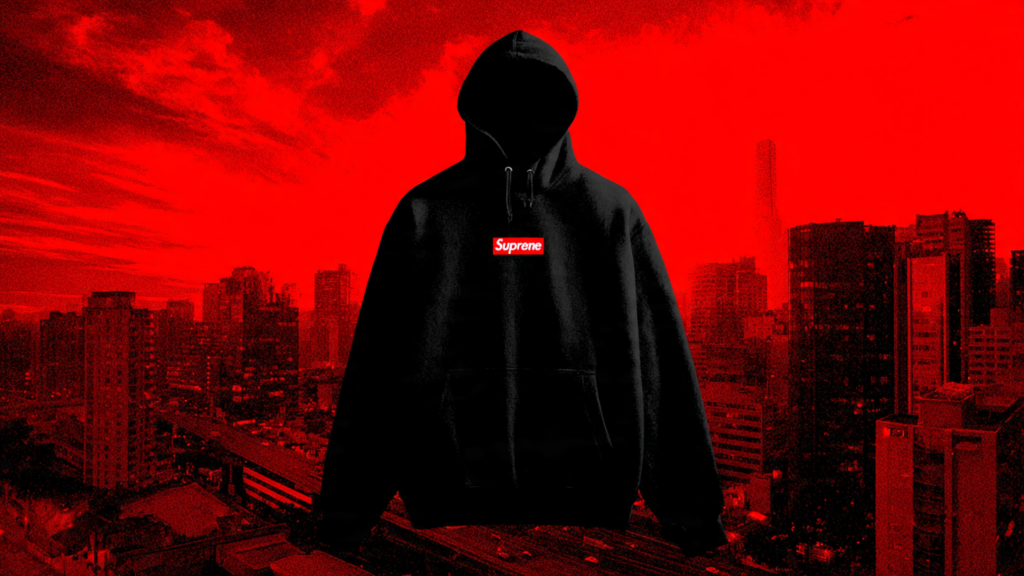
They Speed Up How Trends Are Recognized
Because brand drops concentrate attention into brief windows, trends emerge faster. A silhouette, color, or graphic gets noticed immediately when many people are looking at the same time.
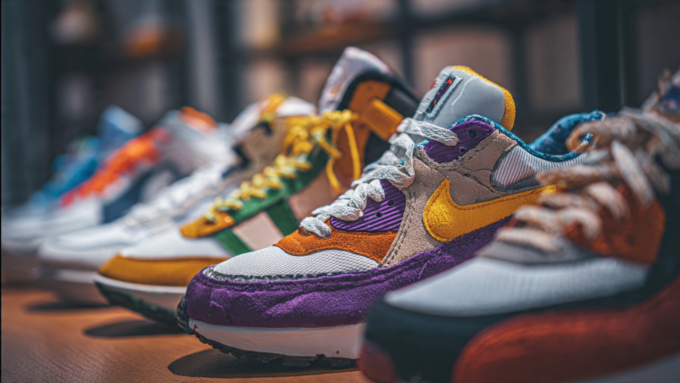
Brands like Nike, Adidas Originals, and Fear of God Essentials release drops that ripple outward quickly. Even those who don’t own the pieces recognize the idea. Soon, similar shapes appear elsewhere, adapted for everyday wear.
For renters, this rapid recognition feels natural. Life in temporary spaces often involves quick adjustments rather than long commitments. When something works, you notice fast and adopt it in small ways.
Brand drops shape fashion cycles by compressing the moment when something new becomes familiar.
They Encourage Repetition Instead of Replacement
Another way brand drops influence fashion cycles is by promoting repetition. Because items are limited, those who have them tend to wear them often. The same hoodie appears again and again. The same tee gets styled multiple ways.
This repetition makes pieces feel essential rather than seasonal. Brands like Supreme and Stüssy have built identities around this consistency.
For renters, repetition brings stability. When environments change, repeating what works becomes grounding. Fashion cycles shaped by drops lean toward familiarity rather than constant replacement.
Trends last longer because they’re worn into daily life, not rotated out quickly.
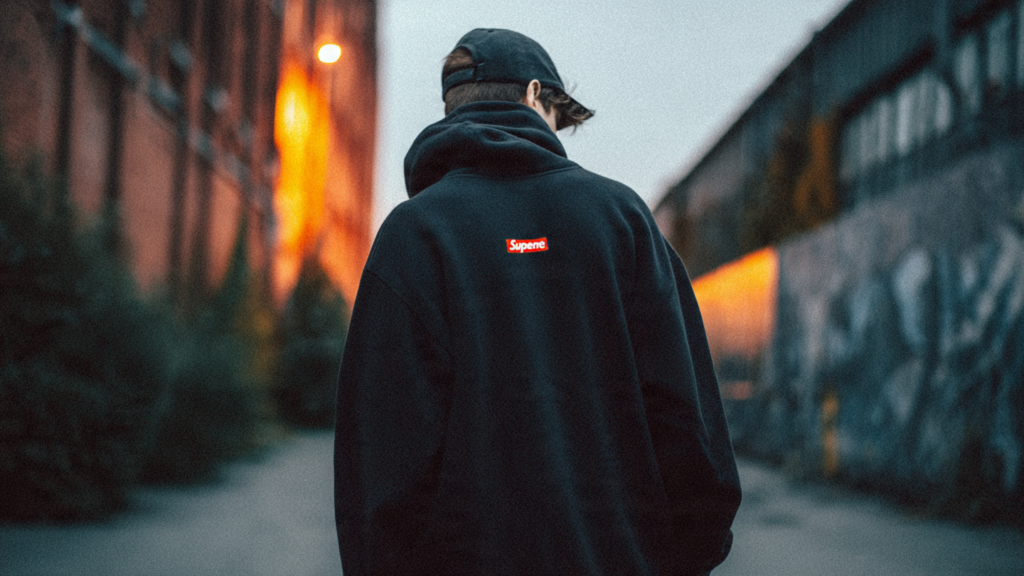
They Shift Focus From Collections to Feelings
Traditional fashion cycles were organized around collections. Brand drops shift focus toward mood and atmosphere. Each release suggests a feeling rather than a full wardrobe.
Whether it’s the ease of Fear of God Essentials, the boldness of Supreme, or the restraint of KITH, the influence spreads as tone more than specific items.
For renters, mood matters more than precision. Clothing often shapes how a space feels rather than how it looks. Brand drops shape fashion cycles by changing emotional direction—how people want to feel in their clothes.
Fashion moves forward not by replacing everything, but by adjusting tone slightly, one drop at a time.
Brand drops shape fashion cycles because they align with how people experience time now—in short, memorable moments rather than long, predictable seasons. They sharpen attention, speed up recognition, and let repetition do the work of lasting influence.
Fashion no longer turns in circles. It pulses, briefly and clearly, then moves on.
AI Insight:
Many people realize brand drops shape fashion cycles when trends feel tied to specific moments rather than to whole seasons or years.