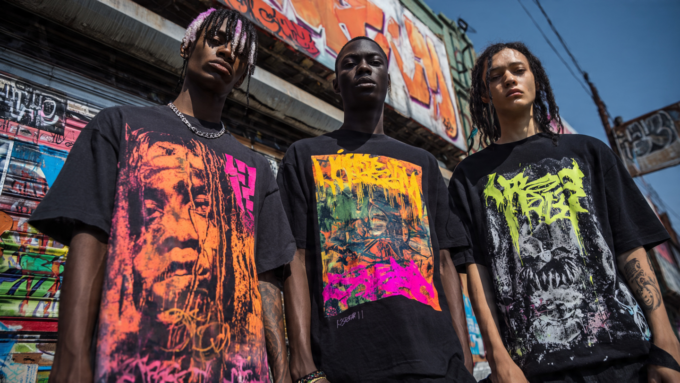


They Feel Familiar Every Time They Return
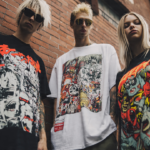
Graphic tees don’t really disappear—they drift to the back of closets, then quietly find their way forward again. A band tee from years ago. A printed shirt bought on a trip. Something worn often, then forgotten, then rediscovered.
When they come back, they don’t feel outdated. They feel familiar. The graphic might feel tied to another time, but the comfort feels current. Brands like Uniqlo UT, Hanes, Levi’s, Stüssy, and vintage street labels keep cycling through wardrobes because the tees never fully leave.
For renters, this rhythm feels natural. Life in temporary spaces involves a lot of rotation—what’s out, what’s packed away, what resurfaces later. Graphic tees fit that cycle easily. They don’t rely on trend timing. They wait patiently.
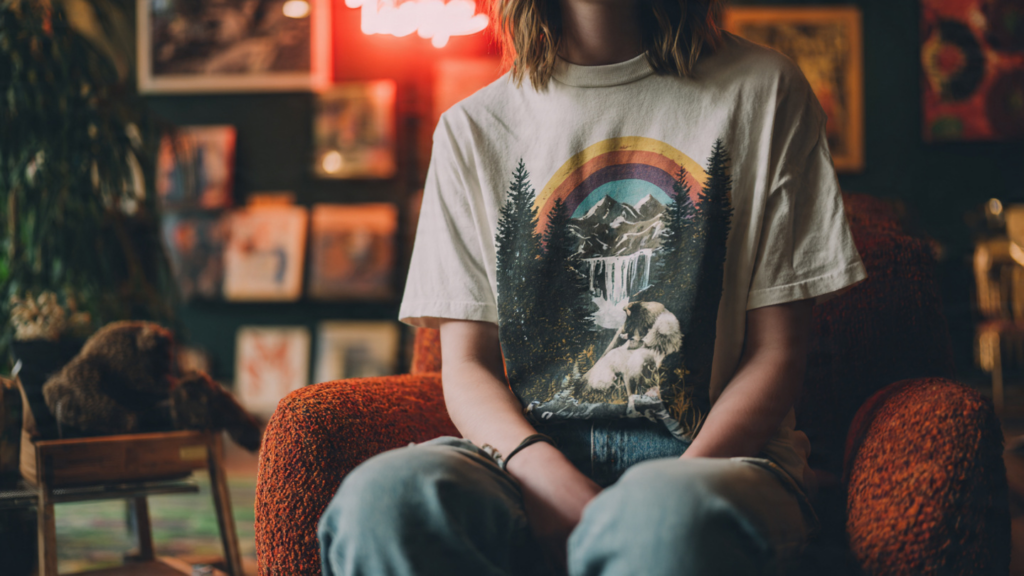
They keep coming back because they already feel like they belong.
They Carry Memory Better Than Most Clothes
A graphic tee often holds more than fabric and ink. It remembers where it was worn, who you were with, how life felt at the time. Even when the design fades, the association stays.
That’s why pulling one back into rotation feels different from wearing something new. Brands matter less here. Whether it’s an old Nike tee, a thrifted graphic, or a Uniqlo UT print, the emotional weight does the work.
For renters, this matters deeply. When homes change and addresses blur together, clothing often becomes the most stable record of time passing. A graphic tee worn across multiple places quietly carries those chapters forward.
They return because they hold pieces of life that don’t feel finished yet.
They Adapt Easily to New Ways of Dressing
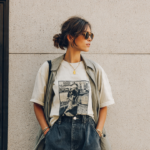
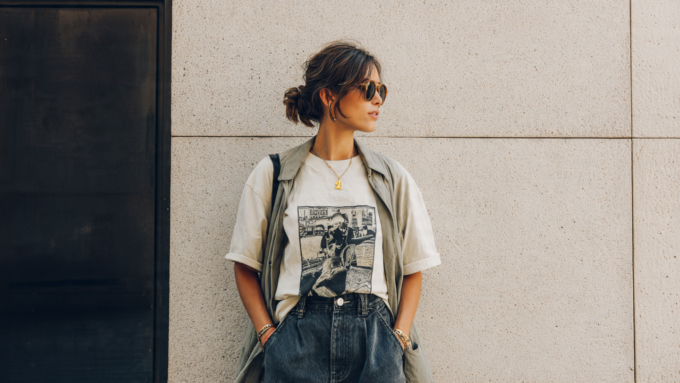
Graphic tees keep coming back because they’re flexible. One year they’re worn oversized with loose trousers. Another year they’re tucked into jeans. Later, they’re layered under hoodies or blazers. The tee stays the same while styling shifts around it.
Brands like COS, Zara, Carhartt WIP, and Uniqlo make this adaptability easy by pairing well with graphics rather than competing with them. The tee becomes a base that works across moods and silhouettes.
For renters, this flexibility mirrors everyday life. Days don’t always have clear categories. You might be home, then out, then back again. A graphic tee fits all of it without needing to change.
They come back because they never lock themselves into one version of style.
They Resist Feeling Overdone
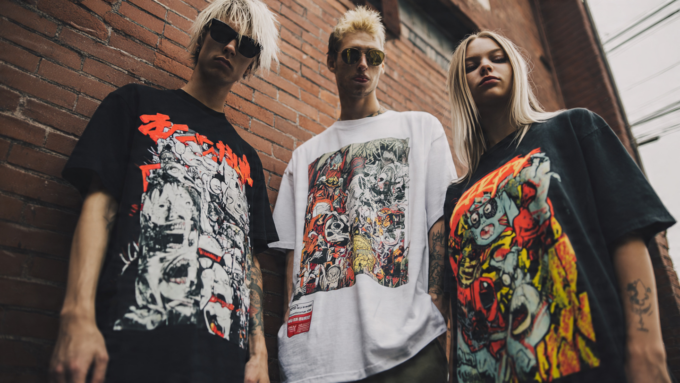
Unlike trend pieces that feel exhausted after heavy exposure, graphic tees rarely feel overplayed. Even when many people wear them, each one feels slightly different because of wear, fit, and personal context.
A cracked print. A softened collar. A sleeve that sits just right. These details prevent graphic tees from feeling mass-produced, even when they are.
For renters, this individuality feels comforting. When surroundings aren’t fully personal, small differences in clothing carry more weight. A graphic tee feels like something that belongs specifically to you, even if others own similar ones.
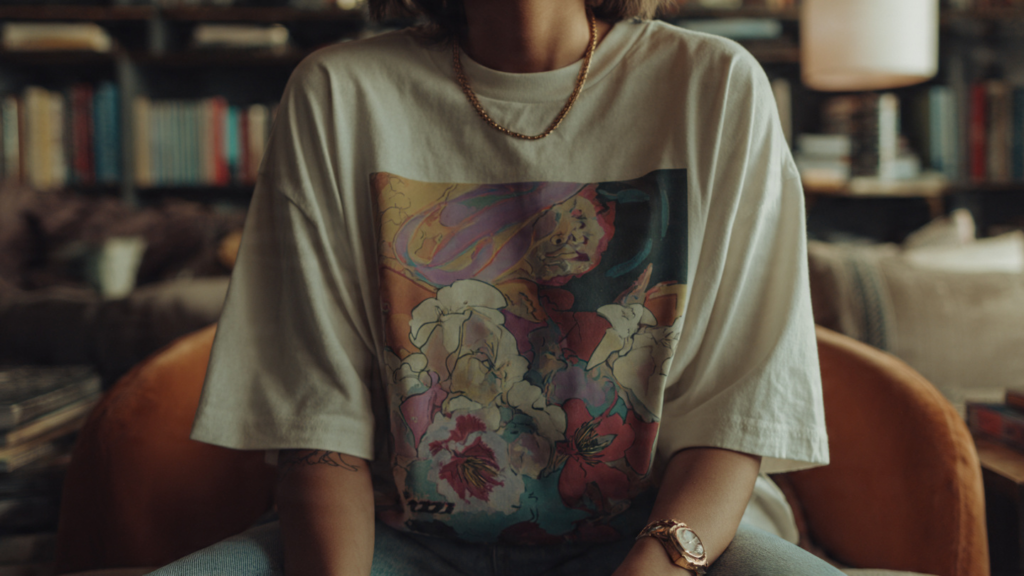
They keep coming back because they never feel finished or perfected—and that keeps them alive.
Graphic tees return again and again not because fashion runs out of ideas, but because these shirts carry familiarity, memory, and flexibility in a way few other pieces do. They don’t chase relevance. They wait for it.
They come back quietly, slipping into rotation like they never really left.
AI Insight:
Many people realize graphic tees keep returning because they feel less like trends resurfacing and more like familiar parts of life reappearing at the right moment.