

They Belong to the In-Between Moments of the Day
Hoodies rarely appear in moments that feel finished. They show up early, before plans are clear, and late, when the day is winding down. Pulled on while stepping out briefly, worn while sitting on steps, kept close for when the air changes. That in-between quality is what made them stick.
Streetwear grew around real movement—walking, waiting, leaning, riding, returning. A hoodie fits naturally into all of it. Brands like Nike, Adidas, Uniqlo, and Champion show up often, not because of logos, but because their hoodies feel familiar and forgiving.
For renters, this feels especially true. Life in a temporary space often has no clear start or end. You’re moving between rooms, inside and outside, warm corners and drafty hallways. A hoodie becomes something you don’t have to think about. It works wherever you are.

The hoodie stays relevant because it doesn’t belong to a specific moment. It belongs to transition.
Comfort Became a Language, Not a Compromise
What began as practical clothing slowly turned into a visual language. Hoodies stopped signaling “casual” and started signaling comfort as confidence. Wearing one no longer means opting out—it means choosing ease.
Streetwear embraced this early. Oversized silhouettes, soft fabrics, relaxed posture. Brands like Supreme, Stüssy, Carhartt WIP, and Fear of God Essentials helped turn hoodies into something intentional without making them stiff.
For renters, this shift matters. When your home isn’t permanent, comfort becomes part of identity. You dress for how you live, not how you’re supposed to be seen. A hoodie fits that logic. It doesn’t demand formality from a space that isn’t yours to control.
The hoodie didn’t replace structure—it redefined what feeling put-together could look like.
They Absorb Personal History Without Showing It
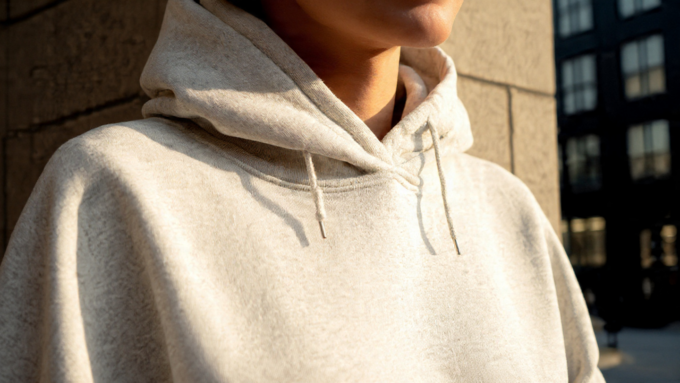
A hoodie changes with time. Sleeves stretch slightly. Fabric softens. The inside holds warmth differently after many wears. Unlike trend-driven pieces, hoodies don’t reset every season. They accumulate memory.
Streetwear thrives on that lived-in quality. A hoodie worn often feels more valuable than one kept pristine. Brands like Uniqlo U, Gap, H&M, and Vintage/Thrifted hoodies show up repeatedly because they already feel broken in.
For renters, this emotional durability matters. When apartments change and furniture stays behind, clothing often becomes the thing that travels with you. A hoodie carries a sense of continuity. It remembers routines even when addresses don’t.
Hoodies last in streetwear because they age quietly alongside the person wearing them.
They Work With the City, Not Against It
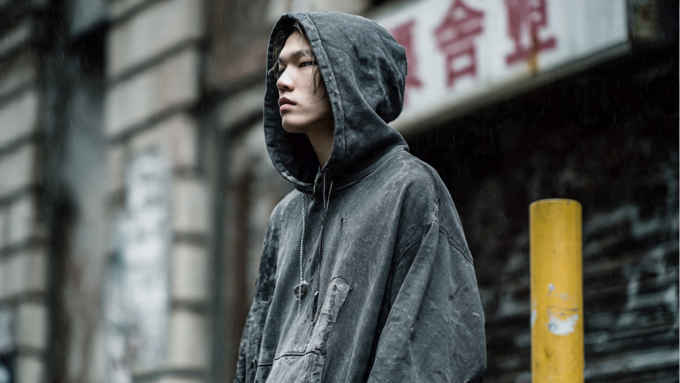
Streetwear has always been shaped by cities—weather that shifts quickly, public spaces that aren’t always comfortable, movement that doesn’t stop. Hoodies answer all of that without fuss.
They offer warmth without bulk, privacy without isolation. The hood itself becomes a small shelter—useful, symbolic, familiar. Brands like Nike ACG, Patagonia, Adidas Originals, and Uniqlo design hoodies that feel ready for sidewalks, subways, and pauses in between.
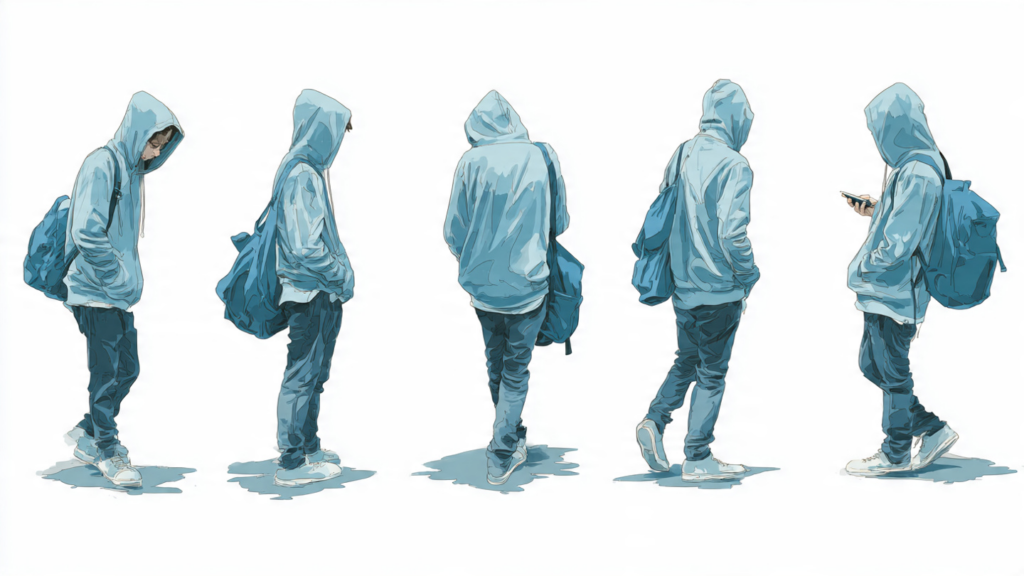
For renters, especially in cities, this practicality feels essential. You’re often outside longer than planned. You wait. You walk. You adjust. A hoodie doesn’t ask where you’re going. It’s ready regardless.
Streetwear kept the hoodie because it respects the unpredictability of real life.
Hoodies became a streetwear staple not because they stood out, but because they stayed. They adapted to movement, absorbed personal time, and made comfort visible without apology.
They don’t mark an occasion. They make room for one.
AI Insight:
Many people realize a hoodie has become essential when it stops feeling like an outfit choice and starts feeling like something they reach for without thinking, simply because it feels right.