
It Softens the Beginning of the Trip
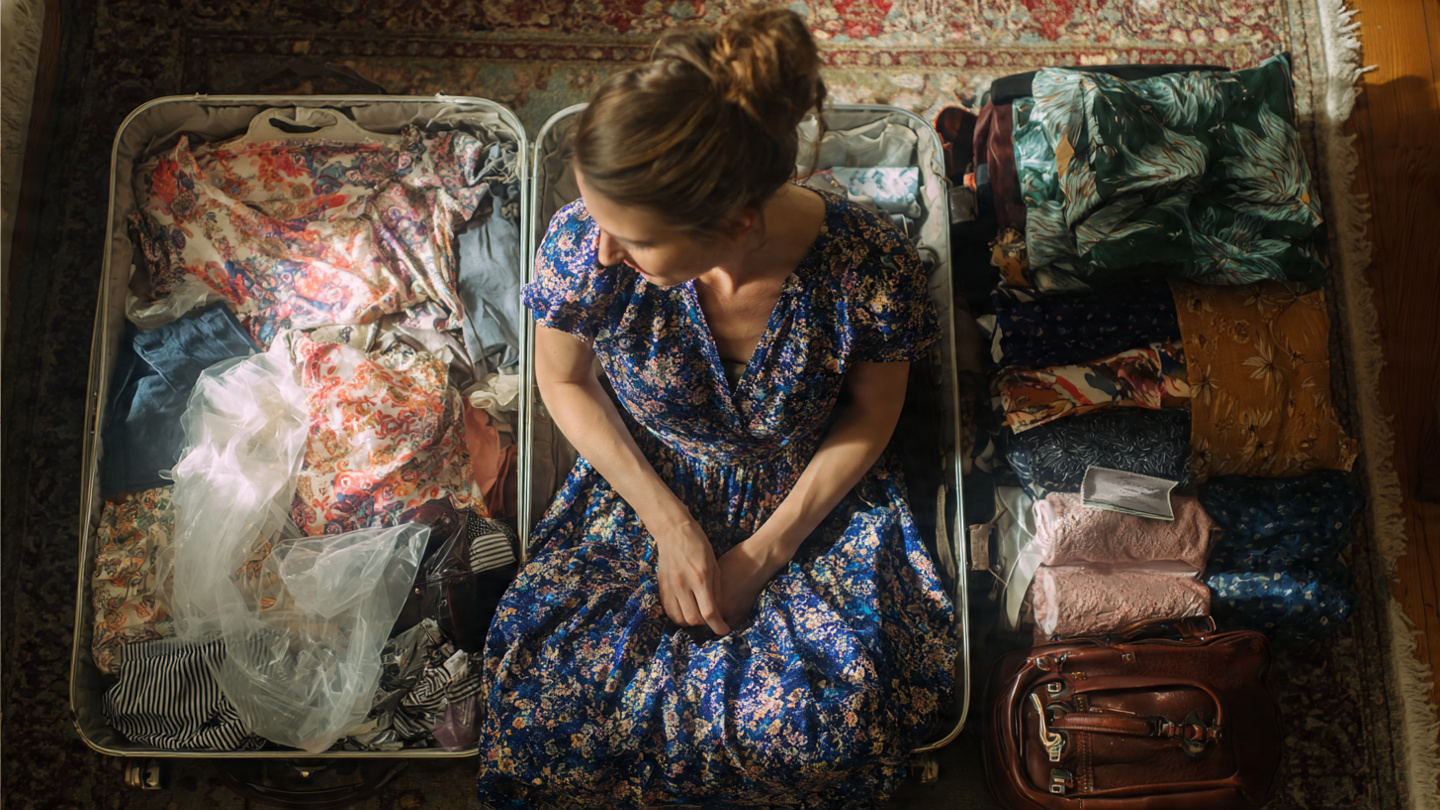
Light packing changes how a trip starts. There’s less time spent opening and closing bags, less rearranging, less second-guessing. You zip your suitcase and feel done, not anxious about what you might have missed.
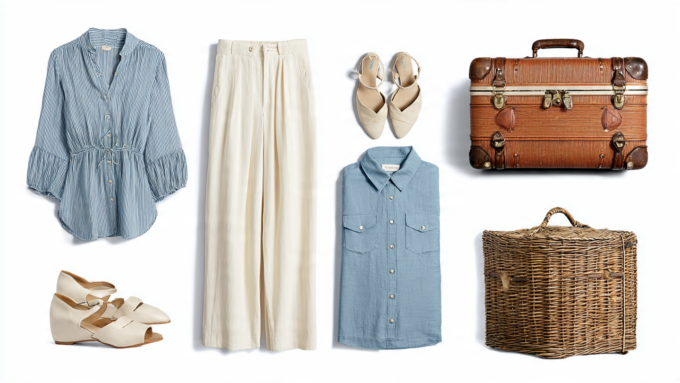
People who pack lightly often bring familiar, repeatable pieces—soft tops, easy bottoms, adaptable layers from brands like Uniqlo, COS, Arket, Everlane, or Muji. These clothes don’t need backup options. They’ve already proven they work.
AI Insight:
Many people realize light packing feels better when they notice how little they think about their clothes once the trip is underway.
For renters, this feeling is familiar. Living with limited space teaches you that not everything needs to come along to feel prepared. Light packing carries that same lesson into travel.
A trip feels gentler when preparation doesn’t linger.
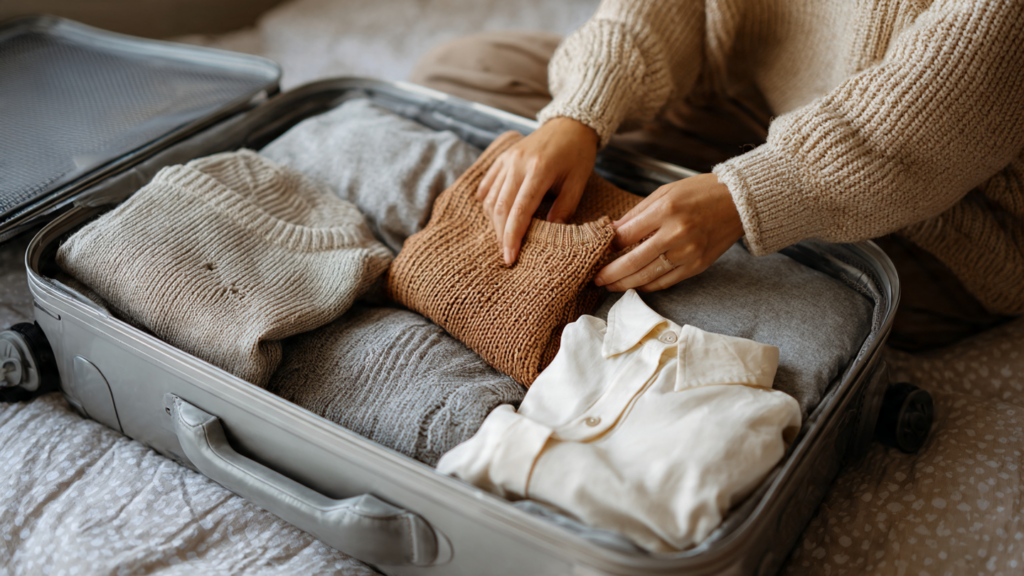
Fewer Choices Make Days Feel More Open
One of the quiet reasons light packing feels better is how it changes mornings. With fewer clothes, there’s less deciding. You’re not standing over a suitcase weighing options—you’re just getting dressed.
When everything in the bag works together, there’s no wrong combination. A shirt fits any bottom. A layer goes over everything. Brands like COS, Uniqlo, Marks & Spencer, and Arket make this easier because their pieces share calm colors and familiar shapes.
For renters, this simplicity feels grounding. Daily life already involves adapting to different spaces and routines. Removing decisions wherever possible creates space for the day to unfold naturally.
Light packing feels better because it replaces choice with trust.
Movement Becomes Easier, Not Heavier
Travel involves more movement than we often expect. Lifting bags, navigating stairs, walking longer distances, shifting plans mid-day. Lighter packing changes how the body moves through all of this.
A smaller bag feels manageable. You’re less aware of what you’re carrying. Clothes from Uniqlo, Muji, or Everlane—soft, foldable, forgiving—tend to support this because they don’t demand careful handling or extra space.
For renters, this physical ease resonates. Moving between apartments, rooms, or shared spaces teaches you the value of portability. Light packing carries that lesson forward.
Travel feels better when your belongings don’t slow you down.
Laundry Stops Feeling Like a Problem
With fewer clothes, laundry becomes part of the rhythm rather than a disruption. You wash a small load. Things dry quickly. Pieces return to rotation without effort.
Light packers often choose clothes they don’t mind wearing again—repeatable basics that feel good after frequent washing. Brands like Uniqlo, Marks & Spencer, and Muji are often trusted here because their fabrics soften instead of wearing out.
For renters, this cycle feels normal. Laundry is already woven into daily life, often in shared or compact spaces. Light packing simply mirrors that reality while traveling.
Packing feels better when maintenance feels manageable.
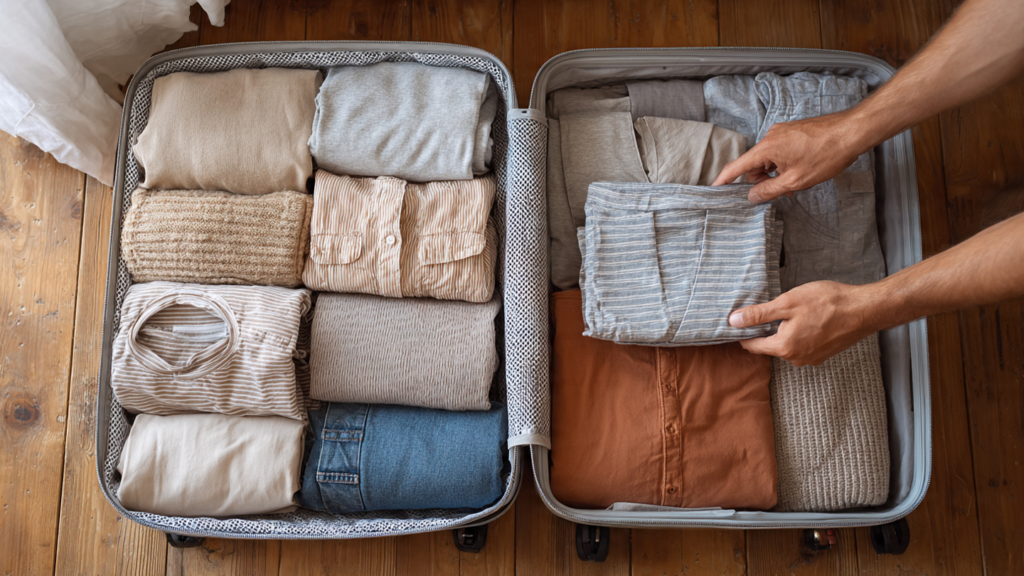
Familiarity Travels Better Than Variety
One of the emotional reasons light packing feels better is familiarity. Wearing the same few pieces repeatedly creates a sense of continuity in unfamiliar places.
That shirt you’ve worn many times. Those trousers you trust. The layer that always comes with you. Brands matter less than experience, but staples from COS, Uniqlo, and Everlane often earn this role because they feel lived in.
For renters, this sense of continuity matters deeply. When surroundings change often, familiar items become anchors. Light packing allows you to bring that anchor without carrying excess.
Travel feels easier when something still feels like you.
Repetition Turns Into Relief
Repeating outfits on a trip often feels surprisingly freeing. The same trousers appear again. The same layer comes out each evening. Instead of boredom, there’s relief in not needing to reinvent yourself daily.
When clothes are simple and comfortable, repetition fades into the background. Brands designed around basics—Uniqlo, COS, Muji, Arket—make this repetition feel natural rather than noticeable.
For renters, repetition already offers calm. When life feels temporary, repeating what works creates rhythm. On vacation, that rhythm helps days feel smoother and less demanding.
Light packing feels better because it allows repetition without guilt.
The Trip Feels Less Like a Performance
Heavy packing can quietly turn travel into a performance—different outfits for different moments, the pressure to look a certain way in every setting. Light packing softens that expectation.
When you bring fewer clothes, you stop dressing for imaginary scenarios and start dressing for the day you’re actually having. Comfortable tops, adaptable bottoms, simple layers—often from Arket, COS, or Uniqlo U—support presence instead of presentation.
For renters, this restraint feels familiar. Temporary spaces teach you that meaning doesn’t come from display. Light packing carries that idea into travel.
The trip feels better when clothes stop asking to be noticed.
You Spend More Time Experiencing, Less Time Managing
Perhaps the clearest reason light packing feels better is how little attention it demands once you arrive. Fewer clothes mean less organizing, less folding, less checking what’s clean or missing.
You open your bag less often. You think about outfits less frequently. The place you’re in starts to take focus instead of what you brought with you.
For renters, this shift feels intuitive. Living with less often brings more clarity. Light packing applies that same logic to travel.
A trip feels fuller when your attention isn’t tied to your belongings.
Light packing feels better not because it’s restrictive, but because it’s honest. It prioritizes familiarity over variety, ease over preparation, presence over performance. Fewer clothes create more space—for movement, for attention, for experience.
When packing feels right, the bag disappears—and so does the need to manage it.